

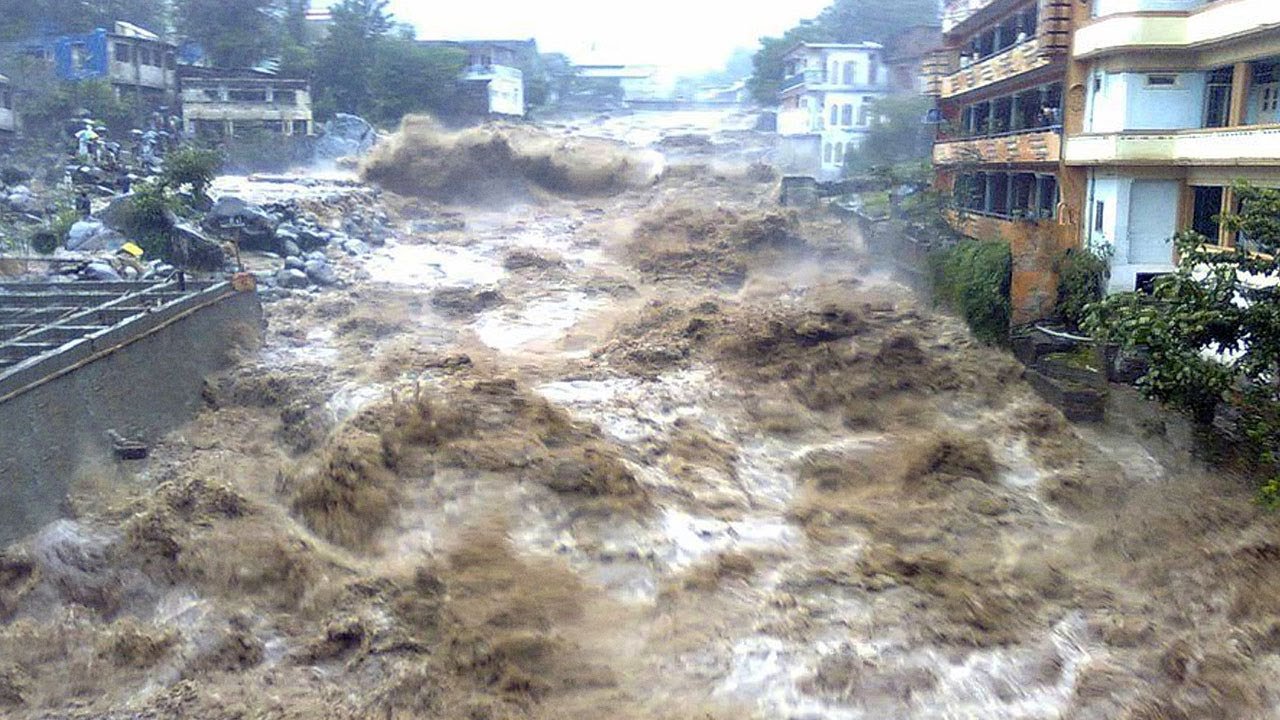

During a visit to flood-affected areas in Gilgit-Baltistan (GB) on Monday, Prime Minister Shehbaz Sharif called for the immediate development of a national climate strategy and the mobilisation of international funding to mitigate the increasing damage caused by climate change.
Surveying areas hit by recent monsoon floods, the premier described the destruction as a “national tragedy”, expressing grief over the loss of lives, displaced families, and damage to vital infrastructure. In a meeting with GB Governor Syed Mehdi Shah and Chief Minister Haji Gulbar Khan, Shehbaz was briefed on the extent of the devastation that has disrupted the lives of both tourists and locals.
He reiterated that Pakistan contributes minimally to global carbon emissions, yet remains among the top 10 most vulnerable countries to the adverse effects of global warming. “The destruction we’ve seen in Diamer, Ganche, and other parts of GB is a stark reminder of our climate reality,” he said.
National Climate Response, Disaster Readiness Prioritized
PM Shehbaz instructed the Ministry of Climate Change to urgently draft a comprehensive national strategy for climate adaptation and pursue global financial assistance. He also directed authorities to develop modern weather forecasting systems, improve disaster preparedness, and streamline coordination between federal and provincial disaster response agencies.
“I’ve directed the Climate Change Ministry to act without delay. Pakistan must secure international climate funds and prepare for worsening climate impacts,” he stated.
Commending the efforts of NDMA, PDMA, and the Ministry of Communications, Shehbaz praised their swift response in reopening highways, evacuating stranded individuals, and delivering relief. The meeting was informed that after the July 21 cloudburst, over 600 people were rescued, and tent settlements were quickly set up. Helicopters and C-130 aircraft were deployed for emergency evacuations.
Key directives issued by the PM included:
- Rapid completion of damage assessments
- Restoration of communication infrastructure
- Enhanced NDMA–provincial coordination for future emergencies
- Speedy rehabilitation of flood-hit communities
He emphasized the urgent need for long-term resilience planning, particularly in climate-sensitive regions like Gilgit-Baltistan. The visit concluded with a high-level briefing attended by federal ministers including Abdul Aleem Khan, Attaullah Tarar, Amir Muqam, and Mosaddeq Malik.
