

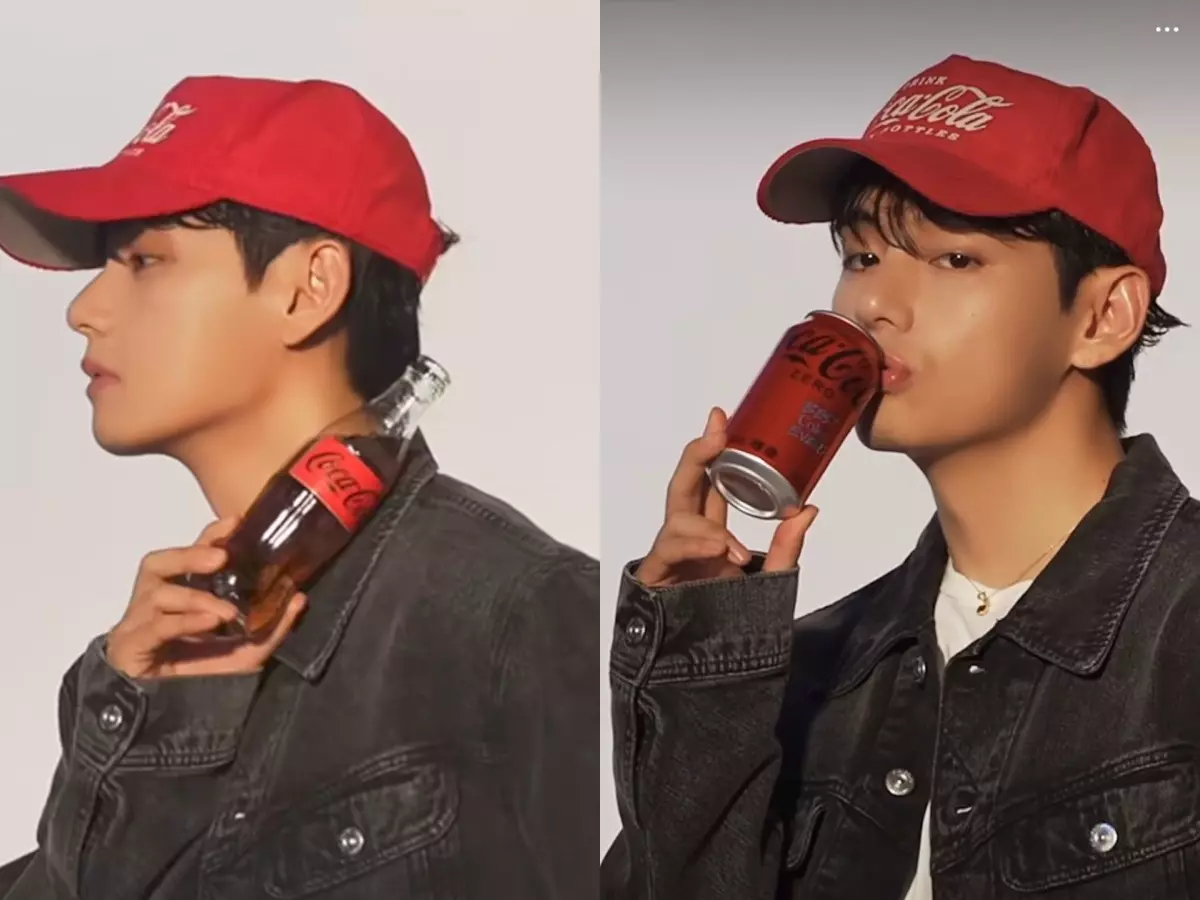

Fans Question Silence and Brand Association Amid Calls for Ethical Accountability
BTS member Kim Taehyung, popularly known as V, is facing significant criticism online after being announced as the new ambassador for Coca-Cola Zero in South Korea. The campaign, launched on July 31 under the hashtag #BestCokeEver, marked a high-profile shift, with V replacing fellow HYBE label mates NewJeans as the face of the beverage brand.
While Coca-Cola Korea intended the campaign to be a celebration, it has instead ignited a wave of online outrage, particularly among international fans concerned about the Israeli occupation of Palestine. Coca-Cola has long been targeted by Boycott, Divestment and Sanctions (BDS) advocates for its operations in Israeli settlements, including the Atarot Industrial Zone and Tabor Winery, which sources grapes from occupied West Bank and Syrian Golan Heights.
Adding to the controversy is BTS’ historical positioning as socially conscious artists, often praised for speaking out on anti-Asian hate, mental health, and the Black Lives Matter movement. However, critics say the group’s continued silence on the humanitarian crisis in Gaza starkly contrasts with their otherwise outspoken stance on global justice issues.
V’s endorsement of Coca-Cola — a brand accused of profiting from occupation — has been called “tone-deaf,” with many fans feeling betrayed by what they see as a contradiction between BTS’ values and their commercial decisions. A widely circulated post read:
“Dear Taehyung BTS, Coca-Cola has been operating on stolen Palestinian land, some of whom are your ARMYs. Please educate yourself. Cancel the endorsement and stand with humanity.”
Debate Over Regional vs Global Responsibility
Supporters of V have attempted to clarify that Coca-Cola Korea is managed independently by LG Household & Health Care, which has overseen production and marketing since 2007, and that revenue from local campaigns stays within South Korea. However, for many critics, this distinction is insufficient, arguing that endorsing a global brand with a known international footprint amounts to complicity, regardless of regional management.
Adding fuel to the fire, V’s endorsement came just one day after fellow BTS member Jungkook was seen holding a Starbucks cup, another brand frequently boycotted for similar reasons. Fans took to social media expressing fatigue and frustration, noting that being a fan of K-pop idols increasingly feels like an exercise in constant damage control.
Some fans also pointed out that V had previously donated to Save the Children to support Palestinian children in Gaza, which deepened the confusion and disappointment surrounding his current brand alignment. Many argue that a one-time donation cannot offset the ethical implications of promoting companies viewed as complicit in ongoing oppression.
Bigger Questions: Celebrity Power and Accountability
The situation has reignited wider conversations about the role of celebrities in political and humanitarian issues. In an era where global awareness is higher than ever, and artists are increasingly expected to use their platforms responsibly, silence and corporate partnerships are no longer viewed as neutral acts.
As pressure continues to mount on public figures to act in alignment with their stated values, fans and observers alike are asking whether art and activism can truly be separated — and whether those with global influence can afford to remain apolitical.
For V and BTS, who have long been held as paragons of empathy, sincerity, and social awareness, the moment demands more than silence. As one fan poignantly stated:
“You can’t sing about love, peace, and justice — and promote brands that stand for the opposite.”
