

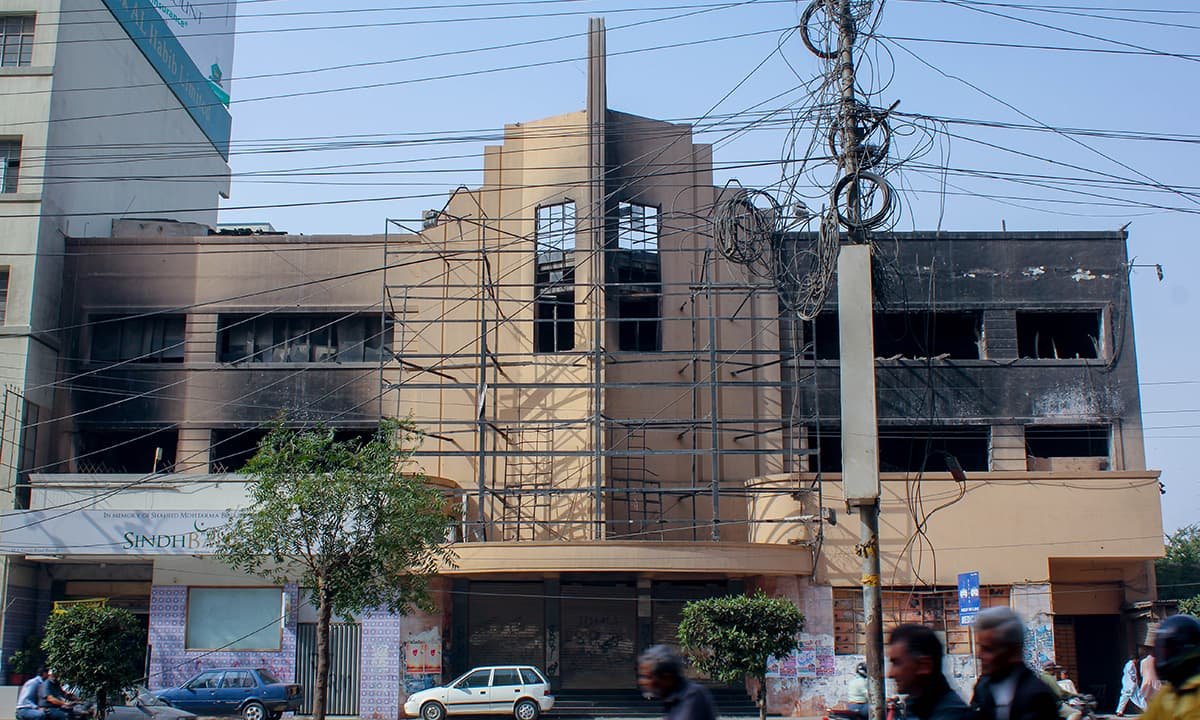

RAWALPINDI: The historic Nishat Cinema, a symbol of Rawalpindi’s once-thriving film culture, has been demolished after 75 years, marking yet another significant loss in the city’s shrinking entertainment landscape. Located on Liaquat Road, near the iconic Liaquat Bagh, Nishat was a cultural mainstay since its establishment in 1950, during the golden age of Lollywood.
Primarily known for screening Punjabi films, with occasional Urdu movies, Nishat Cinema was once a bustling hub for moviegoers, especially due to its proximity to a major transport terminal. Passengers would often catch late-night shows before heading to cities like Lahore, adding to the cinema’s popularity.
A Symbol of Cinematic Glory Turned to Rubble
For decades, Nishat Cinema drew large crowds and even screened Indian films until 1952. Its popularity continued well into the 1990s, but as Pakistan’s film industry began to decline, so did Nishat’s fortunes. Prolonged legal disputes and ownership conflicts forced the cinema to shut down in 2000.
After years of litigation, a settlement was reached, and demolition began on Friday. The cinema will be replaced by an eight-storey commercial plaza, already approved for construction. The valuable plot has been a point of contention for years, even witnessing incidents of violence and gunfire during ownership disputes.
Rawalpindi’s Cinematic Past in Ruins
Once home to 24 cinemas, Rawalpindi no longer has a single operational movie theatre:
- 14 cinemas, including Naz, Gulistan, Novelty, Taj Mahal, and Capital, have been converted into shopping plazas.
- 3 — Kahkashan, Nadir, and PAF Cinema — now function as wedding halls.
- 2, Moti Mahal and Rialto, occasionally host live theatre performances.
- 5 others — Khurshid, Plaza, Odeon, Serose, and Garrison — have been shut for over two decades, with owners applying for demolition and redevelopment.
Nishat Cinema’s fall mirrors the broader collapse of cinema culture in the city. Once-bustling theatres like Shabistan, Rose, Sangeet, Imperial, Rex, and Qasim have all disappeared under the weight of commercialisation and urban expansion.
With the dust settling on Nishat’s demolition, Rawalpindi’s identity as a city once enriched by art, film, and culture continues to fade — replaced by malls, plazas, and lost memories.
