

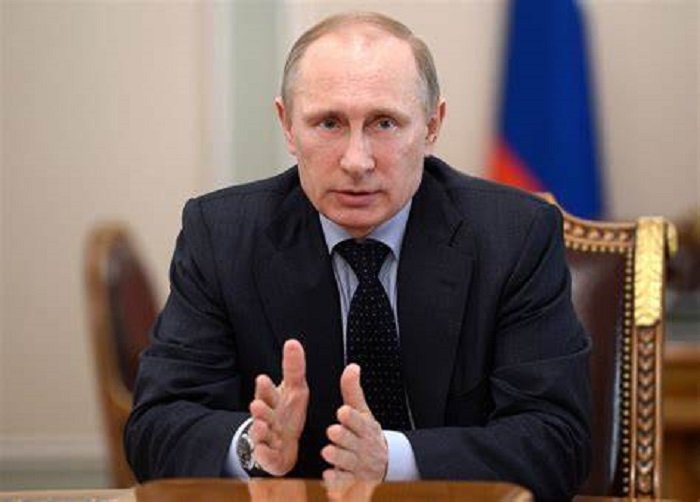

Russian President Vladimir Putin has presented the Order of Lenin, one of the highest Soviet-era decorations, to US businessman and special envoy Steve Witkoff. The medal was intended for the family of a young American, Michael Gloss, who was killed while fighting alongside Russian forces in Ukraine.
Witkoff reportedly received the award in Moscow with the task of delivering it to the late fighter’s family in the United States. The Kremlin has not publicly confirmed the honour, and the fate of the medal remains unknown.
The Fallen American Fighter
Michael Gloss, 21, was the son of Juliane Gallina, the CIA’s Deputy Director for Digital Innovation. Despite his mother’s position, Gloss had no professional links to the CIA. In autumn 2023, he reportedly joined Russian troops in the conflict against Ukraine.
His social media posts from that time, including images taken in Moscow’s Red Square, expressed strong support for Russia’s position, referring to the conflict as “the Ukraine proxy war” and accusing Western media of spreading “propaganda.”
Gloss was killed in April 2024 during combat in eastern Ukraine.
Family’s Concerns and CIA Response
Following his death, the CIA described the event as a “personal tragedy” and noted that Gloss had faced long-standing mental health struggles. His father, Iraq war veteran Larry Gloss, stated that the family’s greatest fear was that Russian authorities might use their son’s connection to his mother for political purposes.
These concerns now resurface with news of the posthumous honour from Moscow.
Diplomatic Context and Upcoming Summit
The presentation of the medal occurred just days before a scheduled meeting between US President Donald Trump and Russian President Vladimir Putin in Alaska. The talks are expected to focus on a potential peace plan for Ukraine.
Witkoff’s visit to Moscow reportedly also served as preparation for this high-profile summit, marking the first direct meeting between the two leaders since Trump’s return to the presidency.
Symbolism and Political Implications
The Order of Lenin, historically awarded for exceptional service to the state, carries significant symbolic weight in Russia. Awarding it to an American who fought on Russia’s side in Ukraine is likely to be viewed as a politically charged gesture, particularly given the sensitive connections to a senior CIA official’s family.
The move may be interpreted both as a tribute to Gloss’s actions and as a signal in the ongoing geopolitical struggle surrounding the war in Ukraine. It underscores the deeply personal and international dimensions of the conflict, which continues to draw individuals from outside the region into its scope.
