


California’s state leadership has strongly opposed a $1 billion settlement proposal from the federal government to the University of California, Los Angeles (UCLA), describing the move as political coercion. The dispute stems from the freezing of hundreds of millions of dollars in federal funding following pro-Palestinian demonstrations on campus.
Background of the Dispute
The University of California system confirmed that the federal government froze $584 million in funding allocated to UCLA. The freeze came after student-led protests condemning Israel’s military actions in Gaza, which were part of a larger wave of demonstrations across U.S. campuses.
The administration has claimed that certain universities, including UCLA, allowed an environment that enabled antisemitism during the protests, thereby violating the civil rights of Jewish and Israeli students. Officials argued that a settlement was necessary to address alleged misconduct.
California’s Strong Response
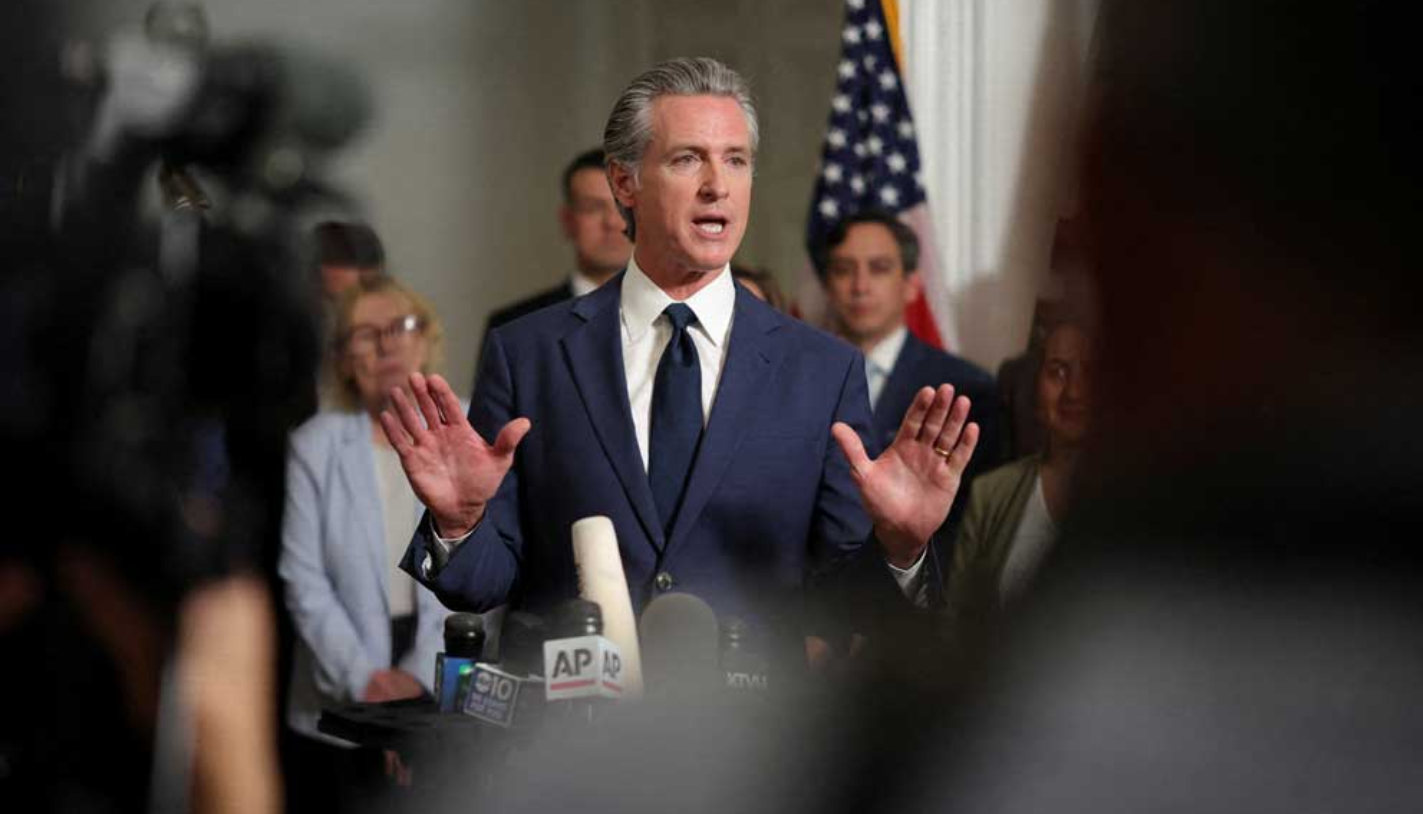
State officials sharply criticized the federal offer, arguing that it amounts to political blackmail. According to California’s leadership, the demand for a $1 billion payment is unrelated to genuine protection of student rights and instead serves as a political tool.
“This is not about safeguarding Jewish students or combating antisemitism, it’s a billion-dollar political shakedown,” state leaders stated, vowing not to submit to what they termed an abuse of power.
They further alleged that the move weaponizes federal agencies to undermine public universities, pressuring them into compliance through financial threats.
Free Speech and Academic Freedom Concerns
Rights advocates and legal experts have voiced alarm that the government’s approach could infringe on free speech and academic freedom. Critics argue that dissent against foreign governments, including Israel, is being mischaracterized as hate speech, thereby silencing legitimate political discourse.
Protesters—including some Jewish organizations—maintain that their opposition to Israel’s military policies and occupation of Palestinian territories is grounded in human rights advocacy, not antisemitism. They also highlight that advocacy for Palestinian rights is not synonymous with extremism.
UCLA’s Position
UCLA has indicated that paying a $1 billion settlement would cause severe financial harm to the institution. The university already agreed last week to pay over $6 million to resolve a lawsuit by students and a professor alleging antisemitism. It also faces legal challenges related to a 2024 violent mob attack on pro-Palestinian demonstrators.
Large-scale protests have been a recurring feature on the UCLA campus, reflecting the intensity of the national debate over U.S. foreign policy in the Middle East.
Broader Context and Other University Cases
The government has taken similar actions against other major universities. Columbia University settled for over $220 million, while Brown University agreed to $50 million, both in response to federal allegations and after accepting certain government terms. Settlement discussions with Harvard University are still in progress.
Critics note that the administration has not launched comparable investigations into Islamophobia or anti-Arab discrimination, despite a documented rise in such incidents alongside increased antisemitism.
Conclusion
The UCLA settlement dispute is shaping up as a major test of the boundaries between federal authority and academic independence. With California refusing to yield to the $1 billion demand, the conflict could escalate into a broader legal and political showdown, one that touches on free speech, minority rights, and the politicization of higher education funding in the United States.
