

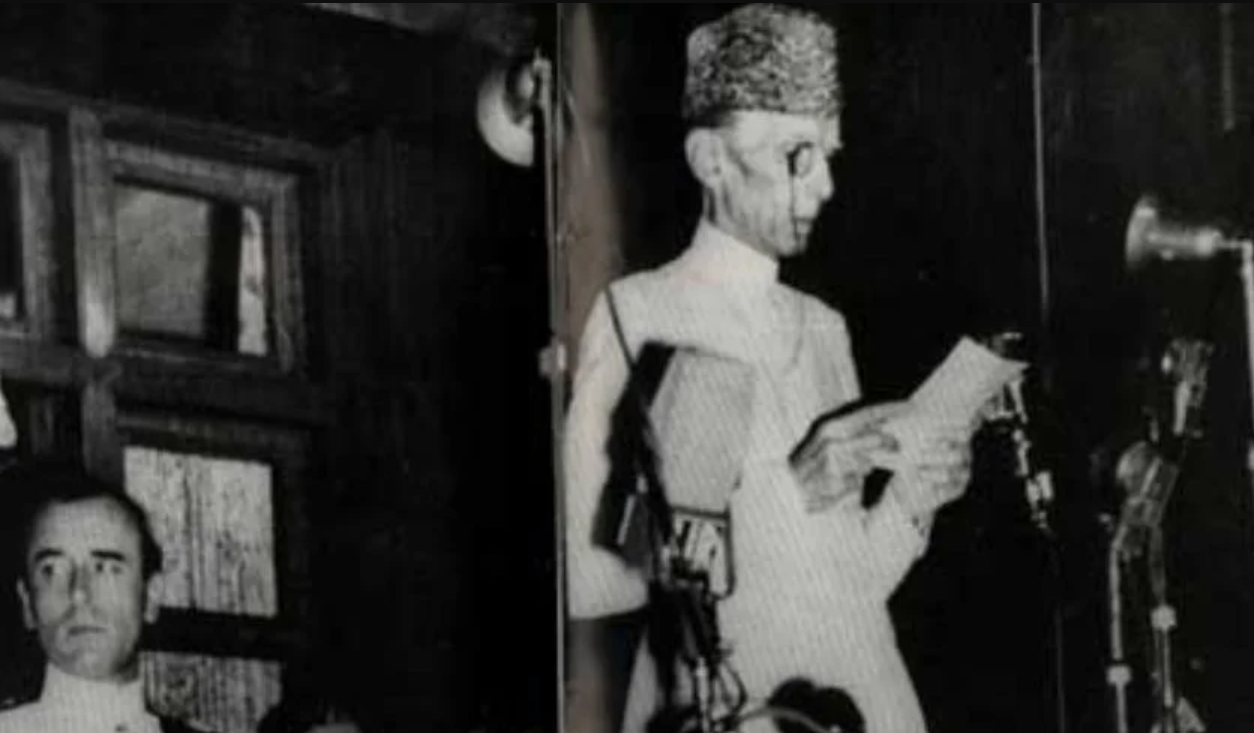

As Pakistan completes 78 years since the formation of its first Constituent Assembly, national leaders have paid rich tribute to the visionary statesmen and lawmakers who laid the foundation of the country’s parliamentary democracy. This anniversary serves as both a moment of reflection on the nation’s democratic journey and a reaffirmation of commitment to the principles of constitutional supremacy and representative governance.
Honoring the Founders’ Vision
The establishment of Pakistan’s first legislative assembly in August 1947 symbolized the democratic aspirations of the country’s founding fathers. It was a time of profound political transformation, with the newly independent nation tasked with creating a constitutional framework to govern a diverse population and safeguard fundamental rights.
The leadership of the time saw the Constituent Assembly as a seedling—fragile yet full of promise—that, if nurtured with dedication, could grow into a robust tree of democracy. Today, that vision is celebrated as the bedrock of Pakistan’s constitutional and legislative structure.
Parliament as a Pillar of National Progress
Parliamentary supremacy and adherence to the Constitution remain central to Pakistan’s political philosophy. The anniversary of the first parliament serves as a reminder that effective governance and sustainable progress are only possible when state institutions operate within the boundaries of constitutional law.
The first session of the Constituent Assembly was more than a procedural formality; it was a direct expression of the public will. The debates and decisions made during those formative years helped shape the early legislative agenda of the nation, setting precedents that continue to influence policymaking today.
The First Constituent Assembly: 1947–1956
The Constituent Assembly of Pakistan was officially established in August 1947 as the supreme federal legislature of the Dominion of Pakistan. Its primary responsibilities were to:
- Draft and adopt a constitution for the new state.
- Function as an interim parliament until a permanent legislative system was in place.
Initially, many of its members had been elected to the Constituent Assembly of India before partition. Following the creation of Pakistan, they took office in the newly formed legislative body. In the subsequent months, new members were also elected through the 1947 elections.
The Assembly convened its inaugural session shortly after its creation, embarking on the formidable task of constitution-making while also handling urgent national issues, such as the rehabilitation of refugees, economic planning, and foreign policy formulation.
The first Constituent Assembly functioned until March 1956, when it was dissolved and replaced by the Parliament of Pakistan under the country’s first constitution. This transition marked the end of the assembly’s historic chapter but left an enduring legacy in Pakistan’s political history.
Continuing the Democratic Legacy
Seventy-eight years later, Pakistan’s parliament stands as a testament to the resilience of democratic ideals, despite challenges and periods of political instability. The occasion is not only an opportunity to honor the sacrifices and wisdom of the country’s founding legislators but also a call for present and future leaders to protect the sanctity of democratic institutions.
By upholding parliamentary supremacy, ensuring transparency, and enacting timely legislation to address modern challenges, the spirit of the first Constituent Assembly can continue to guide Pakistan toward a future of stability, prosperity, and unity.
