

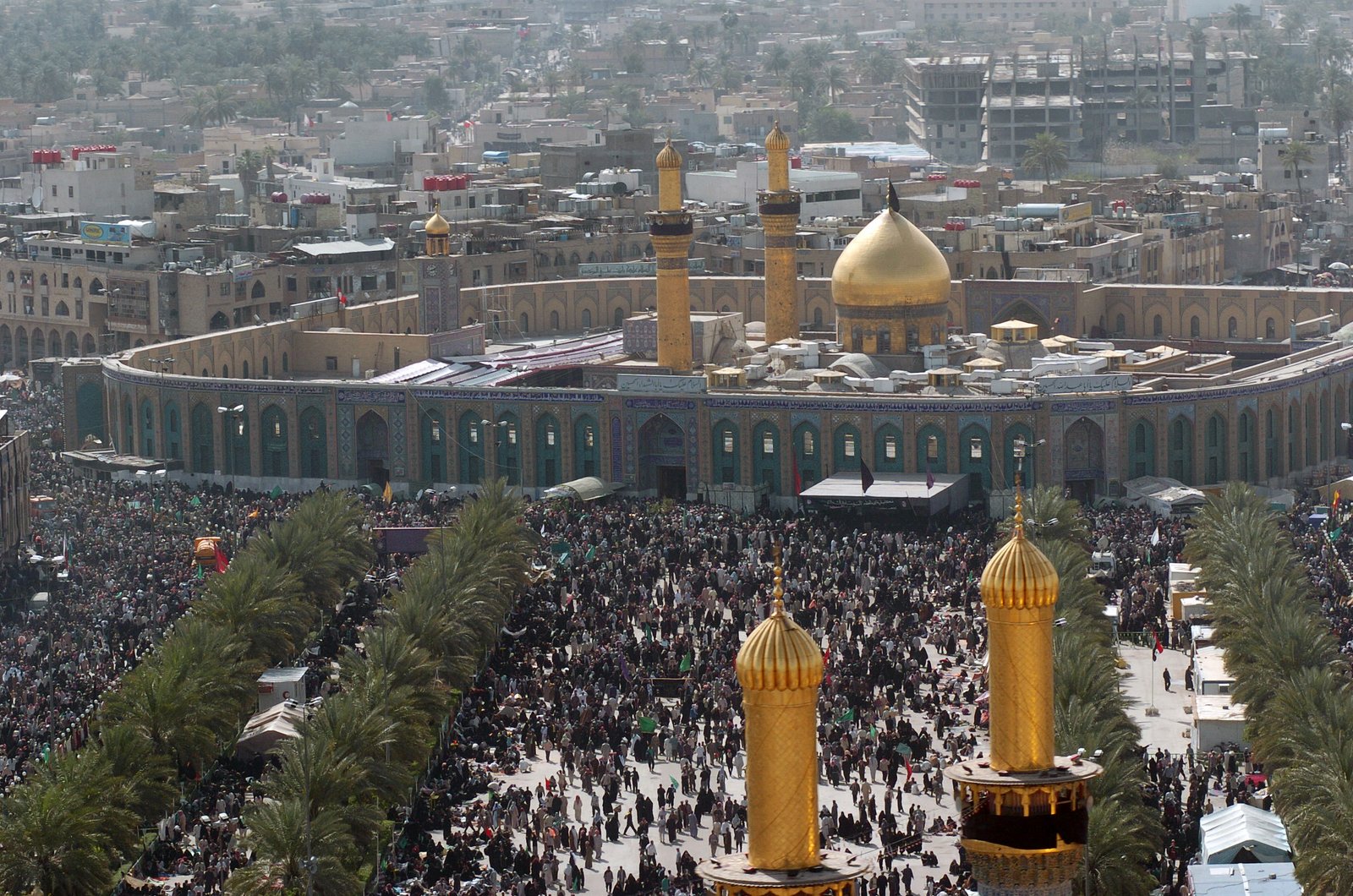

Health Emergency Unfolds on Najaf-Karbala Route
KARBALA, IRAQ – More than 600 pilgrims en route to Karbala were hospitalised after suffering respiratory complications caused by a chlorine gas leak from a water treatment facility, Iraqi authorities confirmed on Sunday.
The incident occurred overnight along the heavily trafficked pilgrimage route connecting the holy cities of Najaf and Karbala. The road is currently seeing a surge in foot traffic as millions of Shiite Muslims begin their journey to observe Arbaeen, the 40-day mourning period commemorating the martyrdom of Imam Hussein, the grandson of Prophet Muhammad (PBUH).
According to Iraq’s Health Ministry, 621 individuals were treated for asphyxiation and respiratory distress following the leak. In a brief statement, the ministry assured the public that all affected pilgrims had received appropriate medical care and had since been discharged in stable condition.
Source of Leak and Broader Infrastructure Concerns
Security officials responsible for overseeing the safety of pilgrims confirmed the leak originated from a water station located along the Karbala-Najaf road. The chlorine gas, commonly used in water purification, was unintentionally released into the air, causing widespread discomfort and panic among those nearby.
The incident has again highlighted Iraq’s chronic infrastructure challenges. Years of war, corruption, and underinvestment have left much of the country’s essential services in a state of disrepair. Safety protocols are frequently overlooked or inadequately enforced, raising concerns over the readiness of public facilities—particularly during large-scale events like the Arbaeen pilgrimage.
In a separate but related example of Iraq’s infrastructure woes, a fire in July at a shopping centre in Kut claimed over 60 lives, many of whom reportedly died of smoke inhalation after being trapped in restrooms.
With millions more expected to arrive in Karbala in the coming days, authorities are under increased pressure to ensure safety measures are tightened to prevent further tragedies.
