

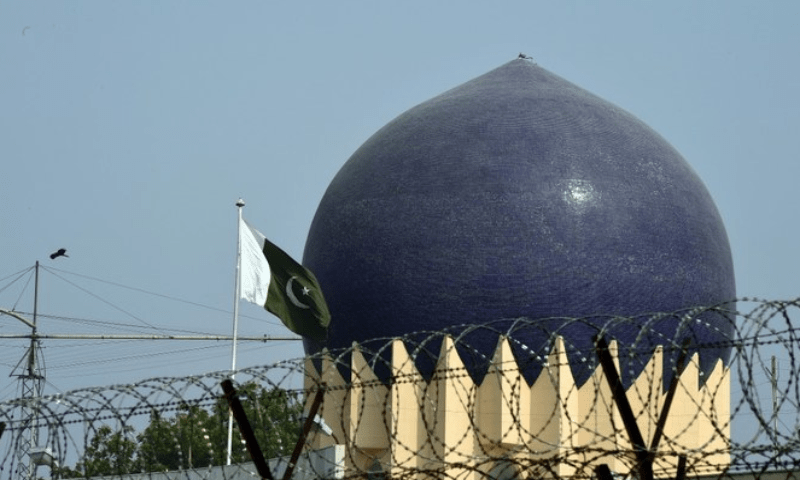

Pakistan has accused India of engaging in conduct that violates the Vienna Convention, citing ongoing harassment and administrative obstacles faced by its diplomats and their families stationed in New Delhi.
According to diplomatic accounts, one of the most pressing concerns is the prolonged delay in processing visas for Pakistani diplomats and their dependents. Around 17 visa applications have reportedly been pending for four to five months, creating significant disruption for those posted to India. These delays are being viewed as deliberate measures to hinder the effective functioning of Pakistan’s diplomatic mission.
In addition to the bureaucratic hold-ups, Pakistani officials in New Delhi have allegedly been subjected to forcible evictions from their assigned residences. This has added to an already tense working environment, where personal and professional stability has been undermined by these actions.
Other reported forms of harassment include the disruption of basic services to diplomatic staff, such as the cutting off of water supplies and delivery of newspapers. While seemingly minor, such measures are perceived as attempts to create an inhospitable environment for Pakistani representatives.
Islamabad has formally conveyed its concerns to New Delhi, characterizing these actions as blatant breaches of the Vienna Convention, which outlines the privileges, protections, and operational freedoms guaranteed to diplomats worldwide. Pakistan maintains that these acts are not only unlawful under international law but also undermine the spirit of diplomatic engagement between the two countries.
Officials in Islamabad have urged India to immediately halt what they describe as coercive tactics and to restore normal diplomatic protocols. They have called upon New Delhi to meet its international obligations by ensuring the safety, dignity, and functional independence of accredited Pakistani diplomats and their families.
This episode comes against the backdrop of historically strained Pakistan-India relations, where diplomatic channels often face pressure from political disputes. Observers note that actions targeting diplomats risk further damaging bilateral ties and eroding the possibility of constructive dialogue.
While both nations have experienced periods of reduced diplomatic presence in the past, the latest reports suggest a deliberate escalation of pressure on Pakistani personnel in India. Whether these tensions can be resolved through diplomatic channels remains to be seen, but Pakistan’s recent statements signal that it considers the situation to be of urgent importance.
As the dispute unfolds, international attention is likely to focus on whether India will respond to these allegations and take steps to ensure compliance with global diplomatic norms. For Pakistan, the issue is not only about individual diplomats but also about upholding the principles that enable effective international engagement.
