

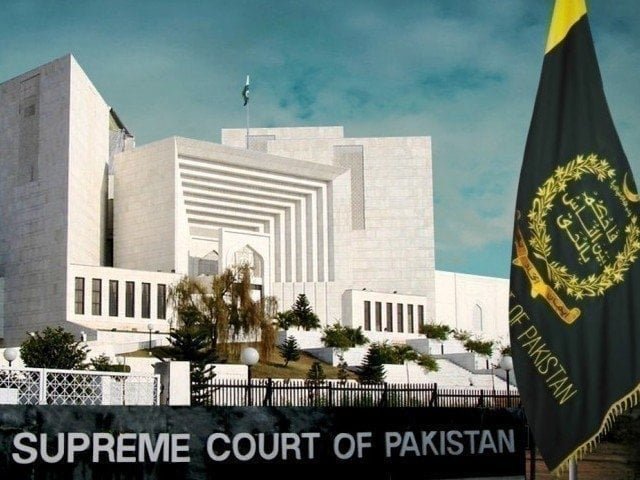

The Supreme Court has strongly emphasized the urgent need to adopt artificial intelligence (AI) and modern case management systems to tackle the severe backlog of cases plaguing Pakistan’s judiciary. The court highlighted that excessive delays in legal proceedings often amount to the outright denial of justice, undermining both the rule of law and public trust in the judicial system.
Justice Delayed is Justice Denied
In a landmark judgment, Justices Mansoor Ali Shah and Ayesha Malik addressed a case dating back to 2011, which had remained unresolved for more than a decade. Initially pending before the Peshawar High Court for ten years and later transferred to the Supreme Court in 2022, the case still had not reached a resolution.
The written judgment stressed that justice delayed is effectively justice denied, noting:
-
Prolonged cases weaken institutional credibility.
-
Marginalized and weaker sections of society suffer the most from drawn-out legal battles.
-
Delays discourage investment and damage the reputation of the justice system.
The court reiterated that timely justice is not merely an administrative requirement but a constitutional right that must be safeguarded.
Scale of Pakistan’s Judicial Backlog
Statistics presented in the ruling revealed that over 2.2 million cases are currently pending across the country. Out of these, nearly 55,941 cases are stuck in the Supreme Court alone, reflecting the magnitude of the challenge.
The judges warned that unless bold reforms are introduced, the sheer volume of cases will continue to erode public faith in the judiciary.
AI and Smart Case Management as the Future
To address these systemic delays, the Supreme Court urged the urgent integration of AI-powered solutions and technology-driven case management systems. Smart digital frameworks can:
-
Track and prioritize cases effectively.
-
Reduce human inefficiencies and improve accountability.
-
Ensure fairer allocation of judicial resources.
-
Provide transparency in proceedings.
The court underlined that AI is not an optional tool but a constitutional necessity to ensure timely justice for all citizens.
Practical Challenges in Decade-Old Cases
The judgment also highlighted the practical issues in pursuing extremely old disputes. In the specific 14-year-old auction case, the petition was dismissed because the petitioner or their representatives failed to appear in court, demonstrating the futility of extending proceedings indefinitely.
The ruling concluded with a powerful reminder: “Delay in justice is not merely a denial of justice; in many cases, it amounts to the end of justice.”
The Supreme Court’s call for AI integration underscores the urgent reforms required to modernize Pakistan’s judicial system. With millions of pending cases and growing frustration among the public, the adoption of smart technologies could mark a turning point in delivering timely, transparent, and efficient justice.
