

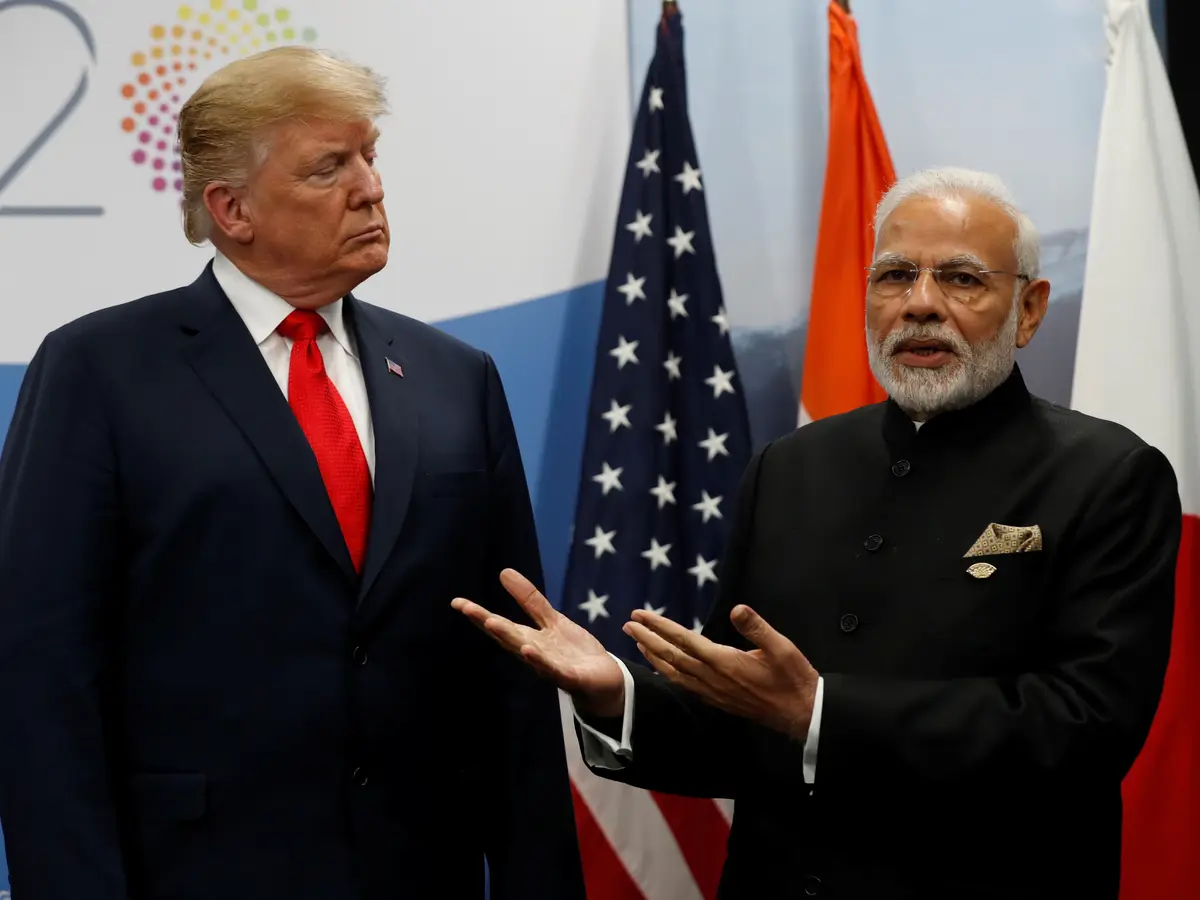

“India Must Choose Sides,” Says Navarro Amid Rising Tensions Over Trade and Geopolitics
Former White House trade adviser Peter Navarro has issued sharp criticism of India’s ongoing purchase of Russian crude oil, claiming that the country’s energy trade with Moscow is indirectly funding Russia’s war in Ukraine. Writing in an opinion piece for the Financial Times, Navarro argued that New Delhi’s actions are inconsistent with its image as a U.S. strategic partner.
“If India wants to be treated as a strategic partner of the US, it needs to start acting like one,”
— Peter Navarro, Financial Times
Navarro accused India of acting as a “global clearinghouse” for Russian oil — buying sanctioned crude, refining it, and then exporting it as high-value fuel products. This process, he said, helps Russia earn dollars despite Western sanctions, undermining global efforts to isolate Moscow economically.
Rising Trade Tensions and Strategic Doubts
India has defended its energy imports, arguing that it is being unfairly targeted. New Delhi points out that European nations and the US continue trading with Russia in other sectors, even while pressuring India to halt oil purchases. Despite this, US President Donald Trump recently imposed an additional 25% tariff on Indian imports, citing India’s continued engagement with Russia. This move raises total US tariffs on Indian goods to 50%, worsening trade relations between the two countries.
Navarro also warned against transferring advanced US military technology to India, stating that New Delhi is simultaneously strengthening ties with both Russia and China. He highlighted recent diplomatic developments, including Prime Minister Narendra Modi’s upcoming meeting with Chinese President Xi Jinping and a visit by Chinese Foreign Minister Wang Yi to discuss the long-disputed India-China border.
In another blow to bilateral ties, a planned visit by US trade negotiators to New Delhi from August 25–29 has been cancelled, a source confirmed. This decision effectively delays discussions on a proposed trade agreement and eliminates the possibility of relief from upcoming tariffs set to take effect from August 27.
