

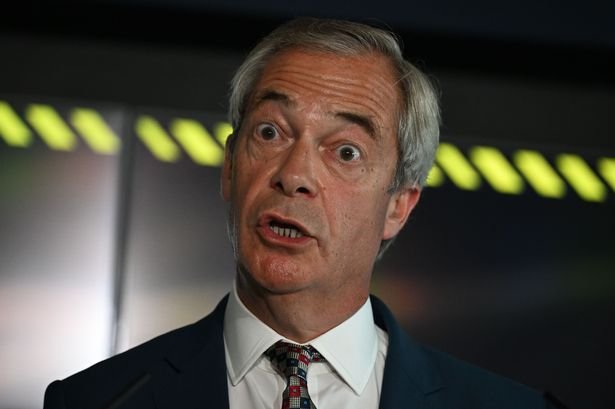

Former Brexit figurehead and Reform UK leader Nigel Farage has unveiled a controversial immigration plan centered on the mass deportation of migrants who arrive in the UK via small boats across the English Channel. In an interview with The Times, Farage outlined sweeping reforms that would dramatically overhaul the UK’s asylum system, including withdrawal from the European Convention on Human Rights (ECHR) and the ending of legal protections for asylum seekers entering the country illegally.
Farage, whose Reform UK party has seen a recent surge in the polls and secured five seats in the last general election, argues that Britain’s current immigration policies are failing to protect its citizens. He said, “We can be nice to other countries, or we can be very tough,” while citing US President Donald Trump’s policies as a model. When asked about the potential dangers of deporting asylum seekers to countries with poor human rights records, Farage dismissed such concerns, stating his priority is the safety of British women and girls.
Sweeping Legal Changes and Deportation Infrastructure Proposed
To implement his plan, Farage says he would introduce new legislation declaring a “national emergency,” aimed at suspending the right to claim asylum or legally challenge deportation for migrants arriving via small boats. According to Farage, this would allow for immediate removal without recourse to current refugee or human rights treaties.
The proposal includes deals with high-risk countries such as Afghanistan, Eritrea, and Syria to accept deportees. In addition, Farage outlined a £2.5 billion proposal to create holding facilities on former military airbases with capacity for 24,000 individuals, operating up to five deportation flights per day. If repatriation efforts fail, migrants could be sent to Ascension Island, a remote British territory in the South Atlantic, as a symbolic measure.
Immigration Dominates UK Political Debate Ahead of Next Election
Immigration and asylum remain the top concerns among British voters, overtaking the economy in public opinion polls. Last year, around 37,000 people — primarily from Afghanistan, Syria, Iran, Vietnam, and Eritrea — crossed the Channel in small boats, accounting for 9% of net migration. Despite the scale of the crossings, only 3% of those who arrived via this method have been deported, according to University of Oxford data.
Farage’s comments and proposals have ignited further debate on immigration policy, with critics raising human rights concerns and legal experts questioning the feasibility of withdrawing from international refugee conventions. Still, with mounting public frustration and protests near asylum housing facilities, Reform UK’s tough stance appears to resonate with a growing segment of the electorate.
