

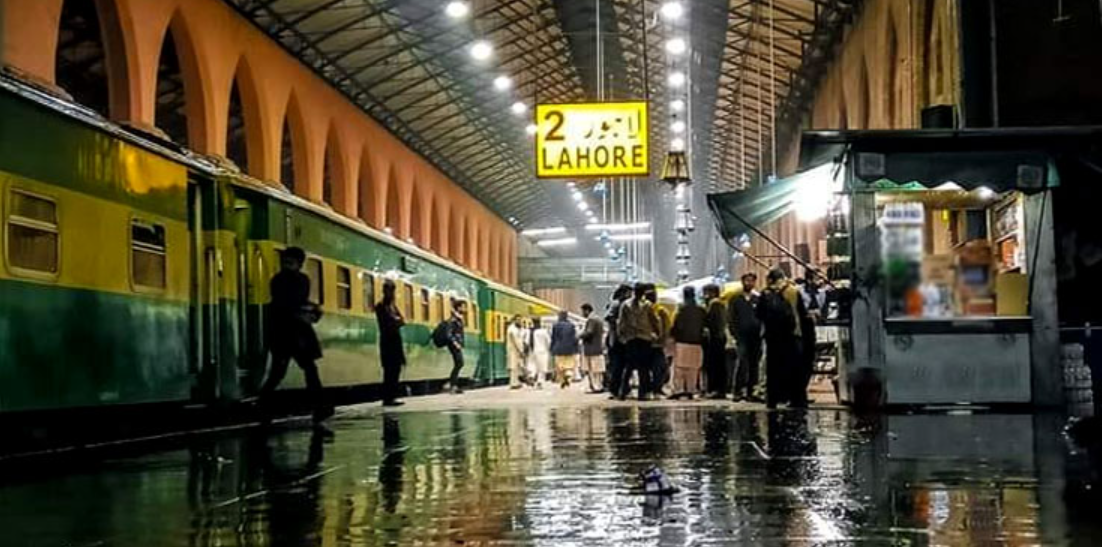

Pakistan Railways has officially resumed train services on the Lahore-Rawalpindi section of Main Line-1 following a temporary suspension caused by floods. The restoration ensures that all scheduled trains will now operate smoothly between the two major cities without any diversions.
Service Resumes After Temporary Suspension
Flooding in the region had earlier disrupted train traffic, forcing Pakistan Railways to suspend operations temporarily. This caused inconvenience to passengers who rely on the Lahore–Rawalpindi route, one of the busiest rail corridors in the country. However, with water levels receding and safety checks completed, the railway authorities have confirmed that services are now fully operational.
According to officials, all trains bound for Rawalpindi will run on their designated routes and timetables. The restoration has been welcomed by thousands of daily commuters, as the Lahore–Rawalpindi line is vital for business, travel, and trade.
Importance of the Lahore–Rawalpindi Railway Section
The Lahore–Rawalpindi section is part of Pakistan’s Main Line-1, the backbone of the national railway network. It connects Punjab’s two major cities and serves as a gateway for routes leading further north. Daily train services on this line cater to students, office workers, and families who depend on affordable and reliable rail transport.
Moreover, the section plays a critical role in intercity logistics, with goods and cargo trains frequently using the route. The disruption caused by floods not only affected passengers but also impacted supply chains and trade activity between the cities.
Flood Impact on Railway Operations
Monsoon floods in Pakistan have historically posed challenges for railway infrastructure. Heavy rains often damage tracks, disrupt signaling systems, and force authorities to suspend services to ensure passenger safety. In this case, timely action by the railway administration helped minimize long-term damage.
The recent suspension highlighted the vulnerability of railway operations to extreme weather conditions. However, the swift restoration reflects ongoing efforts by Pakistan Railways to improve resilience and emergency response.
Passenger Relief and Economic Benefits
The restoration of services is expected to bring relief to thousands of passengers who depend on the Lahore–Rawalpindi section for daily commuting. Affordable ticket prices and convenient travel options make rail transport one of the most preferred choices for the public.
In addition, traders and businesses that rely on cargo movement between Lahore and Rawalpindi can now resume regular operations without delays. The reopening of this line will contribute to smoother logistics and support local economies in both cities.
Government and Railway Commitment
Authorities have emphasized their commitment to maintaining uninterrupted rail services despite natural challenges. Railway teams worked on restoring tracks, clearing obstructions, and ensuring safety before reopening the section. The government has also reiterated its dedication to upgrading railway infrastructure as part of wider modernization efforts under the Main Line-1 project.
Outlook for Railway Services
With normal operations now resumed, passengers are advised to follow updated schedules and plan their journeys accordingly. Pakistan Railways continues to encourage the public to utilize rail transport as a safe and efficient travel option.
The restoration of the Lahore–Rawalpindi section stands as a testament to the resilience of Pakistan’s railway network. It also underlines the importance of investing in infrastructure that can withstand natural disasters while ensuring continuity of essential transport services.
