

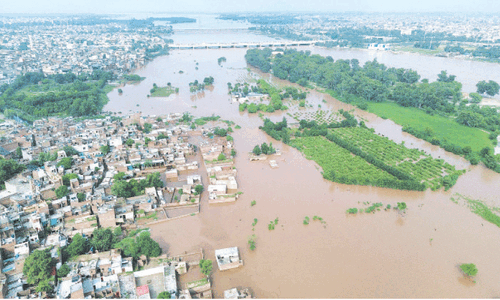

Severe flooding in Punjab is disrupting transportation and supply chains across Pakistan. While major motorways and highways remain functional, transporters are reporting delays of up to three days on alternate routes. These disruptions are beginning to impact trade, agriculture, and food supplies, raising concerns about inflationary pressures in the coming weeks.
Goods Transport Delays Across Punjab
Transporters explained that cargo shipments from Karachi to Punjab, and return consignments from Punjab to Karachi, are facing significant delays. Under normal conditions, the journey takes two to three days. However, due to flooded roads, the same routes now require additional time, increasing fuel costs and operational challenges.
The transport alliance highlighted another major concern. Local administrations have not installed diversion signs for container trucks in flood-hit areas. This oversight forces drivers to reach blocked points, wasting fuel and valuable time. They urged provincial administrations to immediately place clear diversion signs to support supply chain continuity.
Fertiliser Shipments Suspended in Flooded Corridors
Fertiliser supply has been heavily disrupted in riverine areas near the Sutlej, Ravi, and Chenab rivers. Authorities confirmed that fertiliser shipments through these routes have been almost entirely suspended. While motorway routes remain open, prolonged flooding could create significant bottlenecks for fertiliser distribution.
Experts warned that floodwaters are expected to pass Multan within days and enter Sindh by September 6, 2025. The ground situation will then determine the full extent of supply disruptions. Fertiliser shipments to sales points near river corridors are halted, but immediate shortages are unlikely since fertiliser application in these areas has also stopped.
Food Supply Declines in Karachi
Vegetable market representatives reported a visible decline in onion and potato supplies reaching Karachi. Flooding has disrupted onion deliveries from Balochistan and potato consignments from cold storage facilities. Although the overall food supply continues, reduced availability is already contributing to rising wholesale prices.
On the other hand, oil industry representatives said fuel supply chains remain stable for now. However, they cautioned that extended flooding could still disrupt oil transportation in the coming weeks. Pharmaceutical manufacturers also confirmed that medical supplies are being delivered without major disruption.
Inflation Risks Rise Amid Flood Damage
Analysts warned that continued flooding in Punjab and Khyber Pakhtunkhwa threatens agricultural output. Reduced harvests and transport delays could push food prices upward, placing pressure on inflation. Safeguarding recent economic stability is therefore essential to avoid reversing fragile gains.
Headline inflation for August 2025 is estimated at 4.1 percent, down sharply from 9.6 percent in August 2024. On a month-to-month basis, however, inflation is expected to rise 0.4 percent due to food price increases. Lower electricity costs and a decline in LPG prices helped offset some of the pressure.
Punjab floods are already disrupting logistics networks and supply chains. With floodwaters moving south toward Sindh, transport delays and supply shortages could worsen. Authorities must take proactive steps, such as installing diversion signs and ensuring stable fertiliser distribution, to minimize long-term economic damage.
