

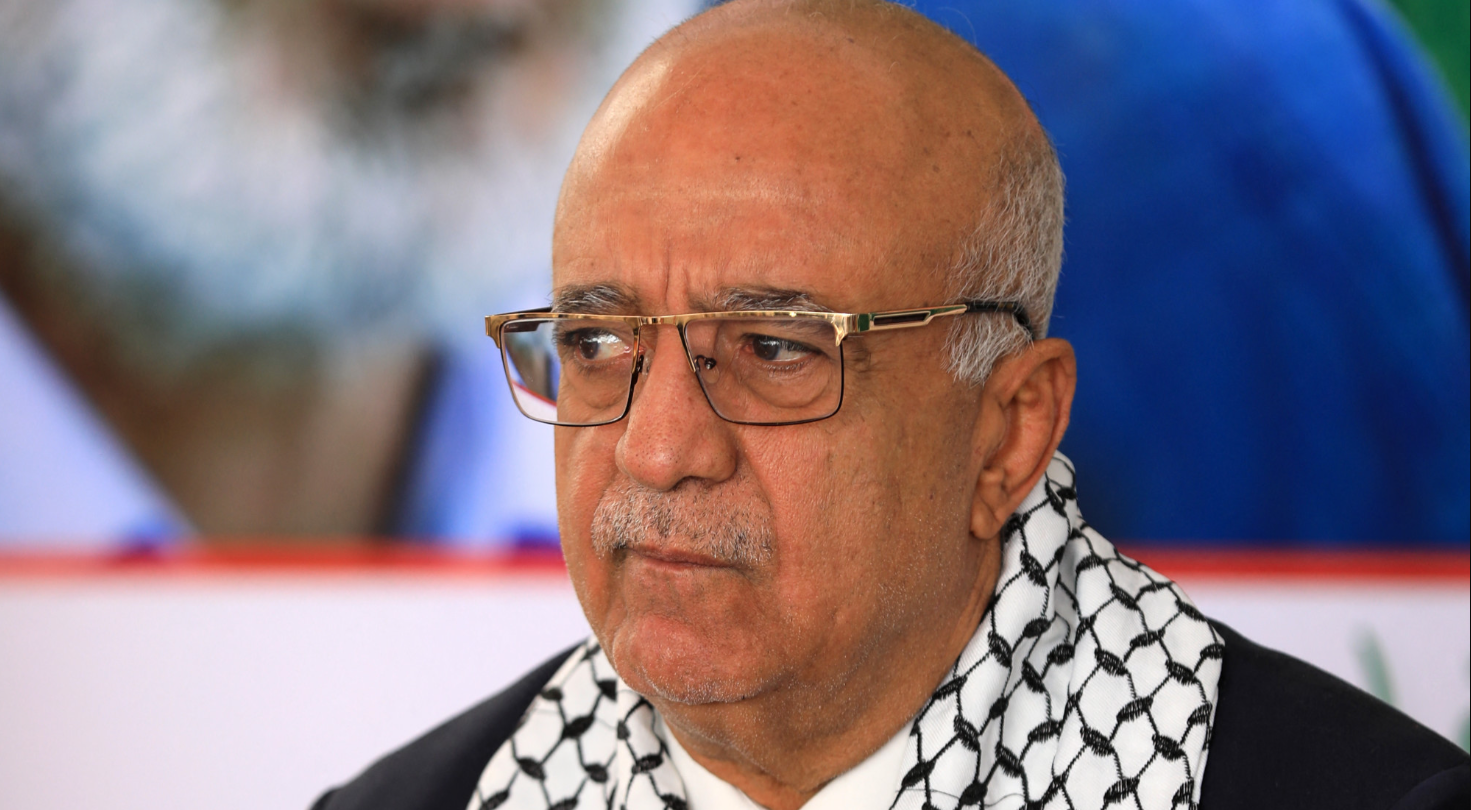

The Houthi-led government in Yemen has suffered a major setback after its prime minister and several senior ministers were killed in an Israeli airstrike on the capital, Sanaa. The strike, which targeted high-level officials of the Iran-aligned group, has escalated tensions further in the already volatile region.
Prime Minister Among Those Killed
Ahmad Ghaleb al-Rahwi, who was appointed prime minister nearly a year ago, was confirmed dead following Thursday’s airstrike. Although he held the title of prime minister, Rahwi was often regarded as a symbolic figure rather than an influential decision-maker within the Houthi leadership. His deputy, Mohamed Moftah, was immediately assigned to assume his responsibilities after his death.
Reports also indicated that several ministers were killed and others injured during the strike. However, it remains unclear whether Houthi defence minister Mohamed al-Atifi, one of the group’s most powerful military leaders, was among the casualties.
Israeli Strike Targets Senior Houthi Officials
According to Israeli officials, fighter jets carried out a “complex operation” against a compound in Sanaa where senior Houthi figures had gathered. The operation was reportedly made possible through intelligence-sharing and air superiority. Security sources noted that the officials were meeting at multiple locations to watch a pre-recorded speech by Houthi leader Abdul Malik al-Houthi.
Israel confirmed that its strike was aimed at the Houthi chief of staff, defence minister, and other top commanders. While the full outcome is still being verified, the death of the Houthi prime minister marks one of the most significant blows to the group in recent years.
Defence Minister Issues Defiant Statement
Shortly after the confirmation of the prime minister’s death, a statement attributed to Defence Minister Mohamed al-Atifi was released. In it, he vowed that the Houthis were prepared to confront Israel directly. However, the timing of the statement raised questions about whether it was issued before or after the deadly airstrike.
Al-Atifi, known as the Houthis’ top missile strategist, oversees the group’s Missile Brigade and has played a critical role in advancing their military capabilities. His survival or death could significantly influence the group’s ability to respond militarily.
Escalating Regional Tensions
The assassination of top Houthi officials comes amid heightened conflicts across the Middle East, where the Iran-backed group has frequently aligned itself against Israel. Analysts warn that the attack could trigger retaliation from the Houthis, potentially targeting regional allies of Israel or disrupting key shipping routes in the Red Sea.
Meanwhile, the sudden loss of multiple senior leaders has left the Houthis in political disarray, raising questions about their ability to maintain internal cohesion and military strength in the coming weeks.
