

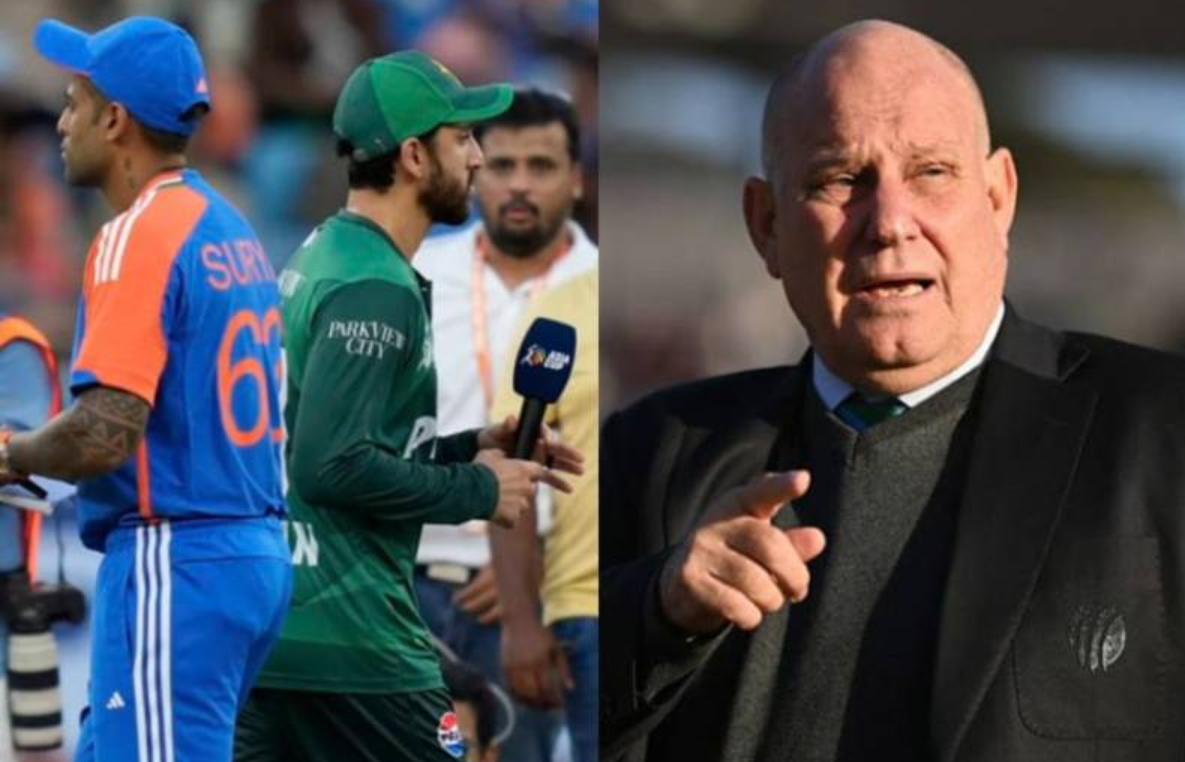

The Pakistan Cricket Board (PCB) has formally lodged a complaint with the International Cricket Council (ICC) against the match referee of the recent Asia Cup T20 clash between Pakistan and India. PCB Chairman Mohsin Naqvi stated that the complaint concerns alleged violations of the “Spirit of Cricket” and ICC Code of Conduct by referee Andy Pycroft.
PCB has demanded the immediate removal of the match referee from the ongoing Asia Cup tournament. The dispute arose following Sunday’s group-stage match in Dubai, where India defeated Pakistan by seven wickets, led by spinner Kuldeep Yadav’s stellar performance.
Tensions escalated after Indian captain Suryakumar Yadav and his teammates refrained from shaking hands with Pakistan players post-match. The Indian captain said the decision aligned with directives from the Board of Control for Cricket in India (BCCI) and government guidance. In a post-match statement, Suryakumar dedicated India’s victory to the Indian armed forces and expressed solidarity with the victims of the April 22 Pahalgam terror attack.
The April attack, which killed civilians in India-occupied Kashmir, had previously fueled hostilities between the two nations. India accused Pakistan of backing the attack, a claim strongly denied by Islamabad. The ongoing political tension seemingly spilled onto the cricket field during the Asia Cup encounter.
Following the incident, the PCB confirmed that Pakistan team manager Naveed Akram Cheema registered a formal protest against the match referee’s conduct. Cheema stated that the referee allegedly instructed the captains not to shake hands during the toss, which the PCB claims contradicts the spirit of sportsmanship.
Pakistan skipper Salman Ali Agha did not participate in the post-match ceremony in response to India’s actions. Pakistan coach Mike Hesson explained that the captain’s absence was a reaction to the Indian team’s disappointing conduct and their refusal to engage in the customary handshake.
Naqvi described the incident as “utterly disappointing” and criticized the politicization of cricket, stating that dragging politics into sports undermines the integrity of international competitions. He urged all teams to celebrate victories with grace and respect in future tournaments.
Despite calls to boycott the match, India’s cricket board maintained that skipping an international event would have negative implications for future multinational tournaments hosted by the country. India insisted it could not cancel participation, emphasizing the importance of continuing international cricket engagement.
This controversy has sparked discussions across cricketing communities regarding adherence to the Spirit of Cricket and the responsibilities of match referees in maintaining fairness. PCB’s complaint highlights the need for strict enforcement of ICC rules to ensure that cricket remains a platform for sportsmanship rather than political tension.
The Pakistan-India Asia Cup clash has underscored how geopolitical tensions can influence sports events. The PCB’s request for the removal of the match referee seeks to reinforce fair play standards and protect the integrity of the tournament. The ICC’s response will set a precedent for future matches between rival nations.
