

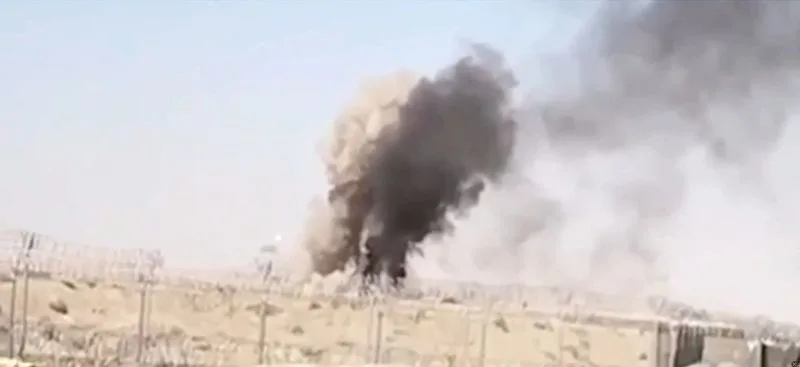

Pakistan and Afghanistan on Friday agreed to extend a 48-hour ceasefire until the conclusion of planned talks in Doha, Reuters reported, citing sources. The truce, brokered to pause days of fierce clashes that killed dozens and wounded hundreds, was timed to allow diplomatic engagement aimed at de-escalation.
Reports that a Pakistani delegation was already in Doha were later called “baseless” by security sources, which said Islamabad’s team is scheduled to depart the following morning; Afghan representatives were expected to arrive in the Qatari capital on Saturday.
Foreign Office spokesperson Shafqat Ali Khan described interactions during the ceasefire as “constructive,” saying both sides were making “sincere efforts to find a positive resolution to this complex but solvable issue through constructive dialogue.”
The pause followed intense cross-border violence that Islamabad blames on terrorist groups operating from Afghan soil.
Pakistan’s military reported it had killed more than 200 Afghan Taliban and affiliated militants in retaliatory operations, while 23 Pakistani soldiers were reported killed in the confrontations. Authorities also said precision strikes targeted militant strongholds in Kandahar and Kabul.
Prime Minister Shehbaz Sharif reiterated Pakistan’s readiness to hold talks with the Taliban regime on reasonable terms, stressing that the ball was now in Kabul’s court for a permanent ceasefire.
Defence Minister Khawaja Asif sharply criticised the Afghan regime for failing to act against militants, accusing Kabul of becoming a “proxy of India” and warning that Pakistan could no longer tolerate decades of “enforced hospitality.” He urged return of Afghans without valid status and insisted only visa-holders remain.
Islamabad has documented extensive diplomatic engagement with successive Afghan authorities — including multiple high-level visits, hundreds of border meetings, protest notes and demarches — as part of efforts to secure cooperation against cross-border terrorism. As talks in Doha proceed, both sides face pressure to translate the temporary truce into a durable cessation of hostilities and practical measures to prevent further attacks.
