

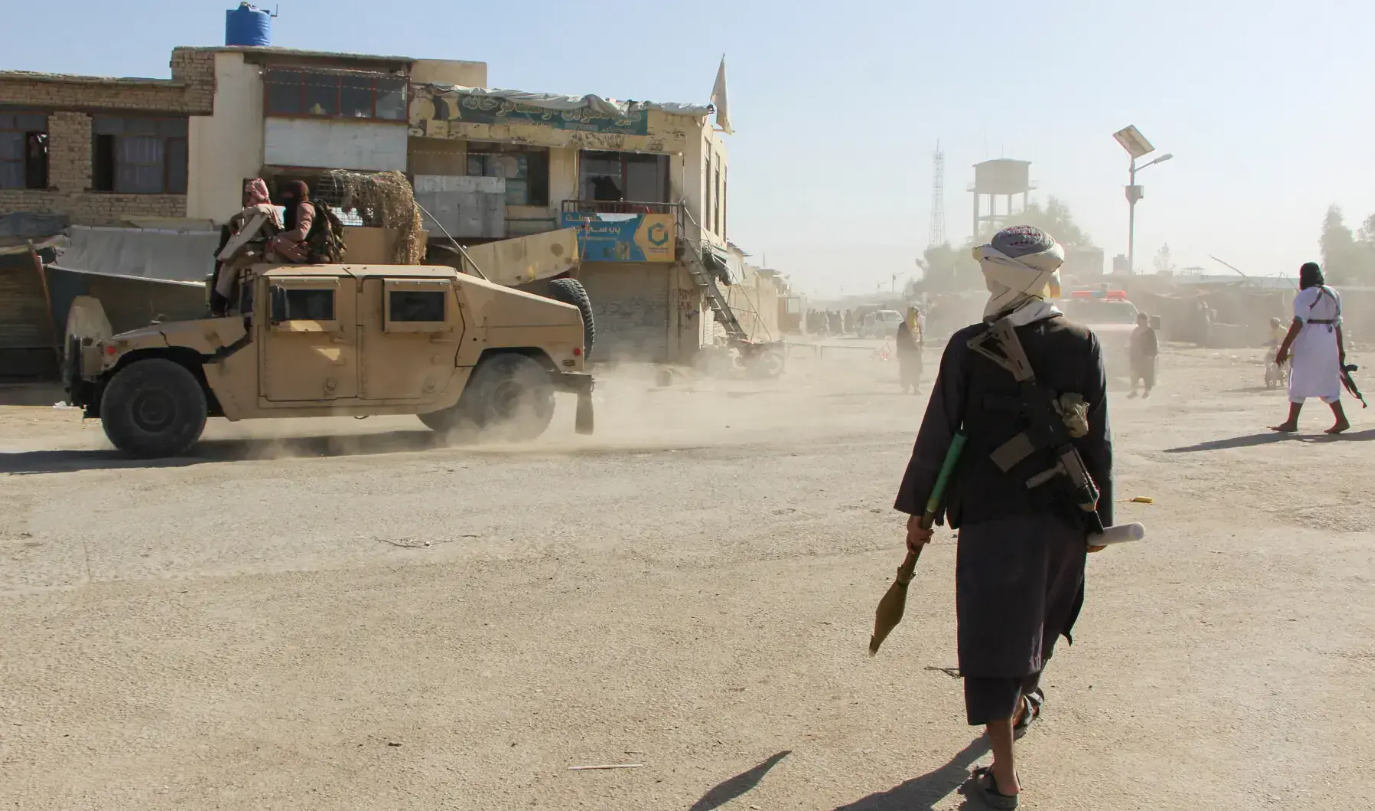

Tensions between Pakistan and Afghanistan have intensified as Pakistan conducted precision strikes on terrorist hideouts inside Afghan territory. The strikes followed a deadly gun-and-bomb attack targeting a military installation in North Waziristan, carried out by militants from the Hafiz Gul Bahadur group.
Security officials confirmed that the operation targeted militant positions in Urgun and Barmal districts of Afghanistan’s Paktika province. They reported that several fighters were neutralized during the strikes.
The offensive came just hours after Islamabad and Kabul extended a two-day ceasefire, raising questions about the future of ongoing peace efforts. Officials clarified that the truce applied to government forces, not terrorist outfits.
Defence Minister Announces Policy Shift Toward Kabul
In a strongly worded statement, Defence Minister Khawaja Asif announced that Pakistan’s approach to Afghanistan had fundamentally changed. He stated that Islamabad would no longer rely on diplomatic appeals or protest notes when dealing with cross-border terrorism.
“Wherever the source of terrorism lies, it will have to pay a heavy price,” he warned. He accused the Afghan Taliban of aligning with India and acting against Pakistan’s national interests.
The minister also said that all Afghans residing in Pakistan must return home, emphasizing that Afghanistan now has its own “government and caliphate.” According to him, Pakistan can no longer sustain relations with Kabul “like in the past.”
Data Reveals Scale of Terrorism Since Taliban Takeover
Khawaja Asif shared detailed figures outlining the magnitude of terrorism since the Taliban’s rise to power in 2021. He disclosed that Pakistan recorded 10,347 terrorist incidents and 3,844 fatalities, including civilians, military personnel, and law enforcement officers.
During this period, Pakistan made over 800 protest notes, held 225 flag meetings, and conducted multiple high-level visits to Kabul. Despite repeated diplomatic efforts, terror groups allegedly operating from Afghan soil continued to attack Pakistani targets.
Doha Talks Cast in Doubt Amid Renewed Tensions
Despite the growing hostilities, Qatar has been mediating discussions between Pakistan and Afghanistan. However, the latest strikes have cast a shadow over the planned Doha talks.
Sources revealed that Doha meetings were postponed due to logistical complications and reluctance within the Taliban’s leadership. Reports suggested that Afghan Defence Minister Mullah Yaqub Mujahid and intelligence chief Mullah Wasiq might represent Kabul. On Pakistan’s side, National Security Adviser Lt. Gen. Asim Malik and Foreign Minister Ishaq Dar were expected to attend.
Although both sides extended the ceasefire until the talks, fresh exchanges of fire threatened the fragile truce.
Pakistani Citizens’ Remains Returned from Afghanistan
Amid the heightened tensions, Afghan authorities returned the bodies of seven Pakistani citizens, including two soldiers, who were killed during recent clashes near the Chaman border. The remains were handed over through the Hilal-e-Ahmar Pakistan organization.
Medical reports indicated that most of the victims died due to mortar shell splinters. Local residents claimed that at least a dozen Pakistani civilians had been killed earlier during attacks in Spin Boldak, the Afghan border district.
The Foreign Office condemned reports of mutilated Pakistani soldiers, calling it an act of “inhuman brutality” that “cannot be forgiven or forgotten easily.”
Growing Concern Over Afghanistan’s Role in Regional Terror
Pakistan’s Foreign Office warned that Afghanistan has become a major breeding ground for global terrorism. Officials urged the international community to act before extremist violence spreads beyond the region.
“The world must not wait for another global disaster,” the spokesperson said, highlighting the urgent need for international cooperation to counter the escalating threat.
As military operations intensify and diplomacy falters, Pakistan’s relationship with Kabul stands at a crossroads. With Islamabad determined to eliminate cross-border militancy, the next few weeks will determine whether the region moves toward peace or prolonged confrontation.
Observers believe the shift in Pakistan’s Afghanistan policy marks the beginning of a more assertive regional stance, with Islamabad prioritizing national security over diplomatic engagement.
