

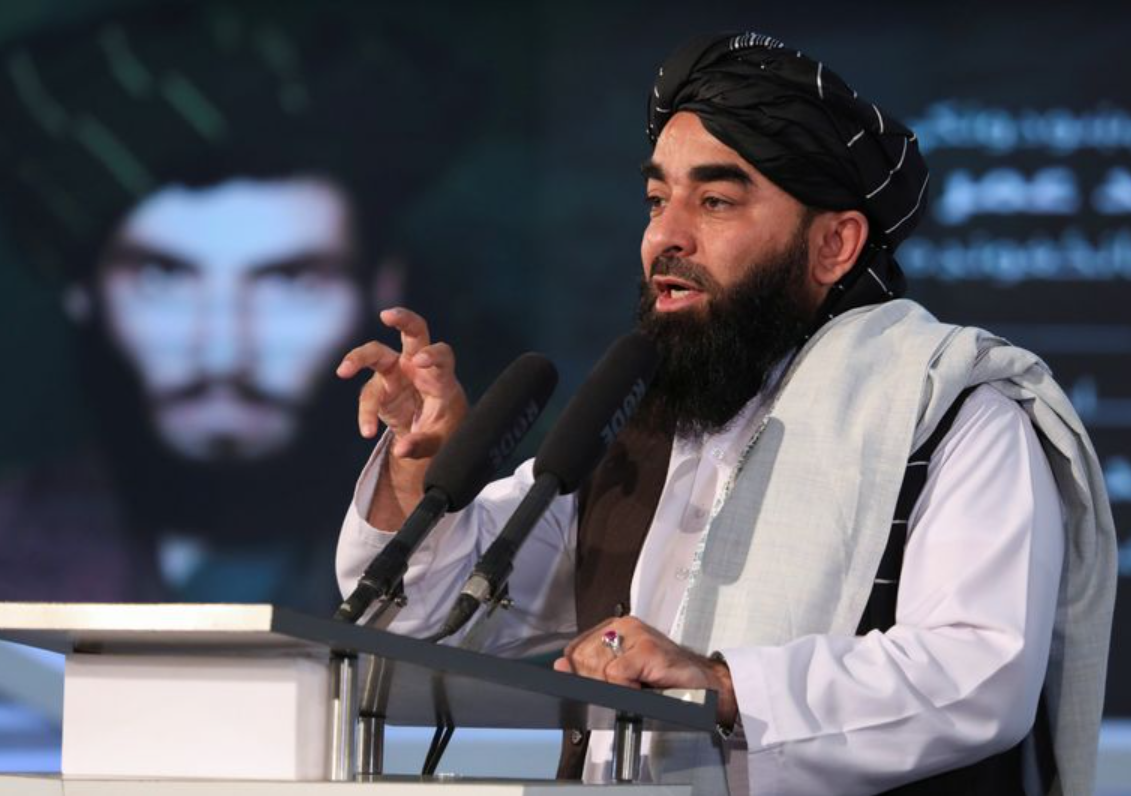

A senior Afghan delegation has departed for Doha, Qatar, to engage in peace talks with Pakistani officials amid rising cross-border tensions. The discussions are expected to address the recent escalation of hostilities and explore measures for long-term regional stability.
Taliban government spokesperson Zabiullah Mujahid confirmed that the delegation, led by Afghanistan’s Defence Minister Maulvi Muhammad Yaqub Mujahid, left for Doha on Saturday. He stated that the meeting was arranged as part of a previously agreed plan to initiate negotiations with Pakistan.
Reports from Kabul indicated that the delegation includes senior figures such as Intelligence Chief Mullah Wasiq, reflecting the Taliban’s intent to approach the talks with high-level representation.
Background of Renewed Border Clashes
The talks come at a sensitive time following a recent series of cross-border attacks. According to security sources, Pakistan conducted precision strikes on terrorist hideouts located in Afghanistan’s Paktika province. These operations targeted militant camps reportedly linked to the outlawed Hafiz Gul Bahadur group.
The strikes were carried out in response to a deadly assault on a military installation in North Waziristan earlier this week. Despite a two-day ceasefire extension agreed upon by both Islamabad and Kabul, renewed clashes late Friday threatened to undermine peace efforts.
Ceasefire Extended Despite Fresh Escalations
A temporary ceasefire, initially established for 48 hours starting Wednesday, was mutually extended until the conclusion of the Doha talks. Security officials confirmed that the truce had largely held without major violations, though the renewed strikes raised doubts about the durability of the agreement.
“The ceasefire has been extended by both sides until the end of the Doha discussions,” a senior official stated. “The talks are scheduled to begin on Saturday and aim to address the underlying issues fueling recent tensions.”
However, sources revealed that earlier plans for dialogue during the initial ceasefire period failed to materialize due to logistical constraints and hesitancy within Taliban leadership ranks.
Diplomatic and Military Coordination Expected
Pakistan’s Foreign Office has yet to release an official statement regarding the Doha talks. Nonetheless, reports suggest that National Security Adviser and ISI Chief Lt Gen Asim Malik held a late-night meeting with Foreign Minister Ishaq Dar, indicating possible coordination ahead of the Doha session. Security analysts expect Gen Malik to lead or accompany the Pakistani delegation.
Both sides are expected to focus on curbing cross-border militant activities, improving intelligence sharing, and defining security protocols to prevent future flare-ups.
Taliban Faces International Pressure
The Taliban government is facing increasing international pressure to prevent Afghan territory from being used as a staging ground for attacks against neighboring countries. Pakistan has consistently maintained that militant groups operating from Afghan soil pose a serious threat to its national security.
Earlier, Pakistan’s Foreign Office warned that Afghanistan had become a “central breeding ground for global terrorism,” urging the international community to take timely action. Officials cautioned that ignoring the threat could allow extremist networks to expand beyond regional borders.
Role of Qatar and Saudi Arabia in Mediating Dialogue
Qatar and Saudi Arabia played a key role in facilitating the upcoming Doha dialogue. Both nations urged Islamabad and Kabul to maintain restraint and continue diplomatic engagement. The talks, initially planned for Thursday or Friday, were delayed due to internal disagreements and scheduling challenges.
Qatar’s involvement is seen as crucial, given its established role in hosting previous Afghan peace processes. Its diplomatic neutrality provides both sides with a platform for open communication and potential de-escalation.
Sports Fallout Adds Strain to Bilateral Relations
Amid the ongoing tensions, the Afghanistan Cricket Board (ACB) announced its withdrawal from a T20 tri-nation series scheduled in Pakistan next month. The ACB cited the alleged killing of three Afghan players in recent airstrikes as the reason behind its decision. The move has further strained relations between the two neighboring nations.
Outlook: Hope for Constructive Engagement
Despite the challenges, both governments appear committed to pursuing dialogue as a path toward conflict resolution. The Doha talks could mark a turning point in Pakistan-Afghanistan relations, providing an opportunity to rebuild trust and establish lasting mechanisms for border security.
Diplomatic observers believe that successful negotiations in Doha may pave the way for a broader peace framework, helping both countries focus on mutual economic development and regional stability.
