


High-Level Delegations Seek Urgent De-escalation and Border Security Solutions
As cross-border hostilities continue between Pakistan and Afghanistan, a high-stakes dialogue has commenced in Doha between senior officials from both sides. Led by Pakistan’s Defence Minister Khawaja Asif, the delegation is holding talks with Taliban representatives, including Afghanistan’s Defence Minister Maulvi Muhammad Yaqub Mujahid and intelligence chief Mullah Wasiq. The discussions are being facilitated by Qatar and are aimed at finding immediate solutions to end terrorist activity targeting Pakistan from Afghan soil.
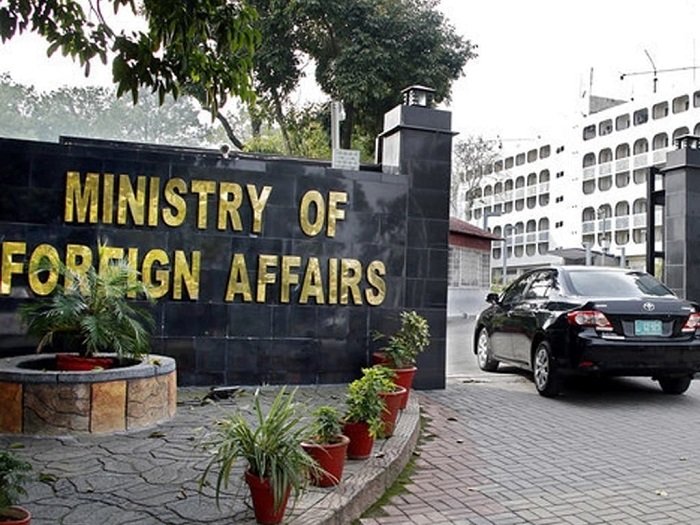
According to the Foreign Office (FO), the talks are focused on “immediate measures to end cross-border terrorism against Pakistan and restore peace and stability along the Pak-Afghan border.” The FO reiterated that Pakistan does not seek escalation and urged the Afghan Taliban to fulfil their international obligations by acting decisively against terrorist groups operating from within Afghanistan. Pakistan also expressed gratitude to Qatar for its mediation efforts and said it hopes the discussions will contribute to regional peace.
It remains unclear how long the talks will last, but sources confirmed that senior intelligence officials are part of the negotiations. The discussions come after multiple failed attempts at bilateral engagement during an earlier two-day ceasefire. That truce was extended on Friday, just hours before the Doha dialogue began, and is expected to continue until the end of the talks.
Precision Strikes Target Terror Camps Amid Renewed Attacks and Civilian Casualties Allegations
Meanwhile, tensions escalated as Pakistan conducted targeted military operations against the outlawed Gul Bahadur group in Afghanistan. Information Minister Attaullah Tarar confirmed that precision strikes were carried out in the border regions of North and South Waziristan and across Paktika province inside Afghan territory. These actions, he said, were in response to renewed terrorist attacks during the ceasefire period, which included multiple infiltration attempts and an IED attack in North Waziristan that claimed civilian and military lives.
Tarar stated that 60 to 70 militants, including key leaders of the Gul Bahadur group, were eliminated in the strikes, based on confirmed intelligence. He dismissed allegations of civilian casualties, calling them “false” and designed to build sympathy for terrorist groups operating from Afghan territory. He added, “Pakistan has all the rights to safeguard its territorial integrity and will not allow terrorists to find refuge across the border.”
The strikes have drawn backlash from the Afghan side, with the Afghanistan Cricket Board announcing its withdrawal from an upcoming tri-nation T20I series in Pakistan, claiming that three cricketers were killed in the attacks. This claim, however, has not been independently verified.
Doha Dialogue Seen as Critical Test for Taliban’s Commitment to Peace
Despite the precision strikes and heightened tensions, both sides have committed to continuing the ceasefire during the duration of the Doha talks. The FO emphasized the need for Afghan authorities to rein in non-state actors, particularly those allegedly supported by India, to prevent further destabilization.
Outgoing Foreign Office spokesperson Shafqat Ali Khan warned in a press briefing that Afghanistan has become a hub for international terrorism and urged the global community to take the threat seriously before it escalates further. He stressed the need for international cooperation, stating, “This fire will spread. This has to be stopped.”
No concrete outcomes have been announced yet from the Doha talks, but the ongoing dialogue represents a critical opportunity for both nations to address rising tensions, terrorist threats, and long-standing mistrust that has marred bilateral relations for years.
