

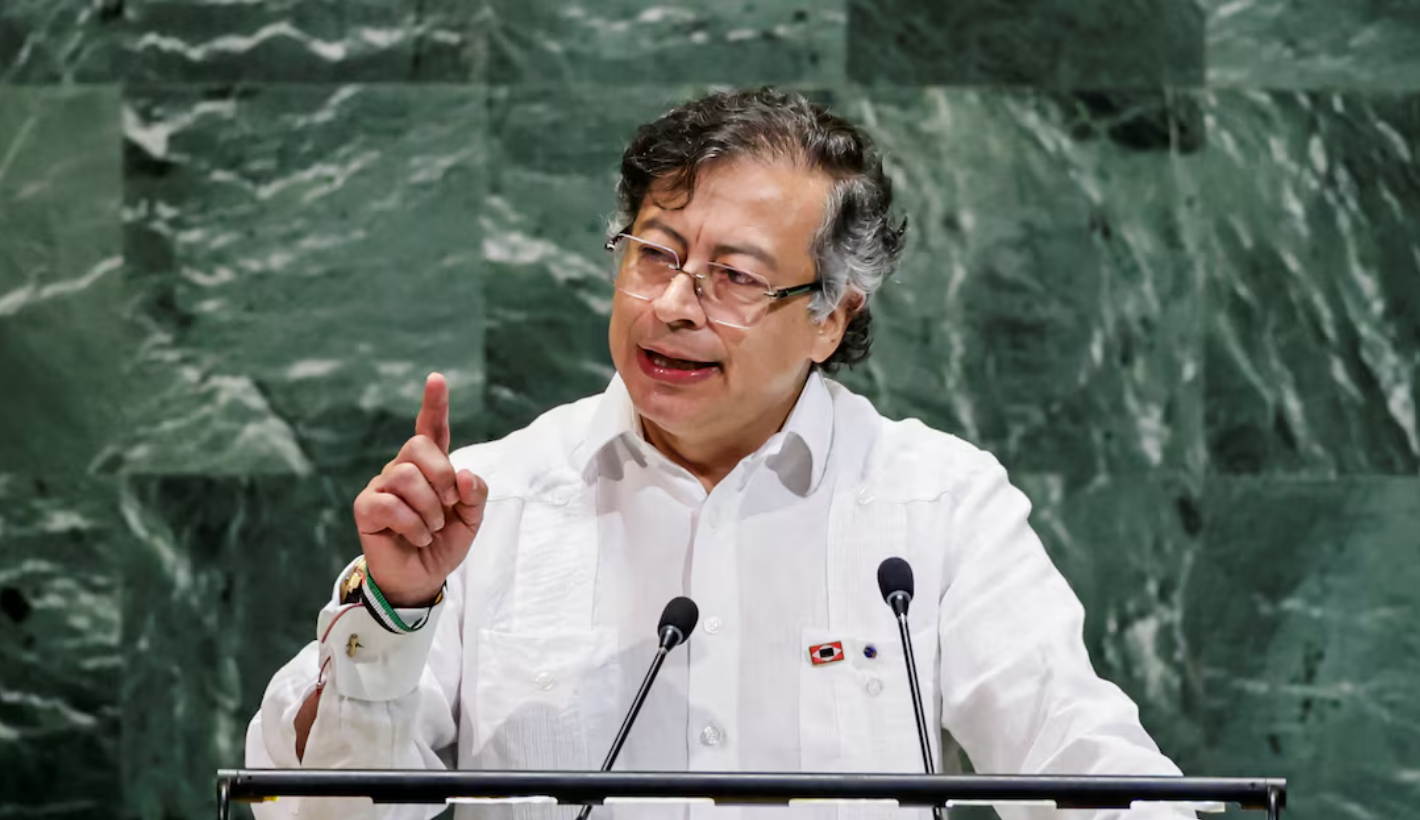

U.S. President Donald Trump has accused Colombian President Gustavo Petro of promoting drug production and announced the immediate suspension of all U.S. payments and subsidies to Colombia.
In a post on his social media platform, Trump described Petro as an “illegal drug leader” who encourages large-scale drug production for sale in the United States. He stated that such activities cause “death, destruction, and havoc” across American communities. Trump declared that all payments and subsidies to Colombia would stop “as of today,” marking a significant shift in bilateral relations.
Sharp Decline in U.S.–Colombia Relations
Colombia, once one of the largest recipients of American aid, has seen its funding steadily decrease over the past year. The decision to halt assistance entirely underscores the growing tension between Washington and Bogotá.
Relations between the two countries have deteriorated since Trump’s return to office. The situation worsened when Colombia’s president took part in a pro-Palestinian demonstration in New York and called on U.S. soldiers to reject Trump’s directives. In response, the U.S. revoked Petro’s visa, further straining diplomatic ties.
Impact on Counternarcotics Cooperation
For decades, Colombia has been a key partner in the United States’ regional counternarcotics strategy. Trump’s declaration could severely disrupt joint operations against drug cartels and hinder intelligence sharing. Experts warn that halting aid may undermine Colombia’s efforts to curb coca cultivation and reduce drug trafficking.
President Petro has promised sweeping social and military reforms in coca-growing regions, but those measures have produced limited results. Trump’s criticism reflects frustration with Colombia’s failure to meet international drug-control obligations, despite years of financial and logistical support from the United States.
Broader Implications for Regional Stability
The suspension of aid could ripple across Latin America, affecting not only Colombia’s economy but also regional security initiatives. Without U.S. funding, Colombia may face difficulties maintaining its anti-narcotics programs, potentially allowing criminal networks to expand their operations.
Analysts believe that this new U.S. stance may push Colombia to strengthen alliances with other global powers to fill the financial and strategic gap. Such a realignment could alter the balance of influence in the region, creating uncertainty in future cooperation against organized crime.
What Lies Ahead
While Trump did not specify which payments or subsidies would be halted, his statement suggests a broad withdrawal of support. The Colombian government has yet to issue a formal response, but political observers expect strong pushback in the coming days.
The coming weeks will reveal whether both nations can restore dialogue or if the move marks the beginning of a long-term diplomatic freeze. Either way, the end of U.S. aid represents a turning point in relations between Washington and Bogotá, one that could reshape the fight against drug trafficking and redefine the geopolitical landscape of the Americas.
