


Trade discussions between top US and Chinese officials have resulted in a tentative framework aimed at pausing new tariffs and easing rare earth export restrictions. The progress offers a potential breakthrough ahead of the anticipated meeting between US President Donald Trump and Chinese President Xi Jinping later this week.
Framework Targets Tariff Pause and Rare Earths Relief
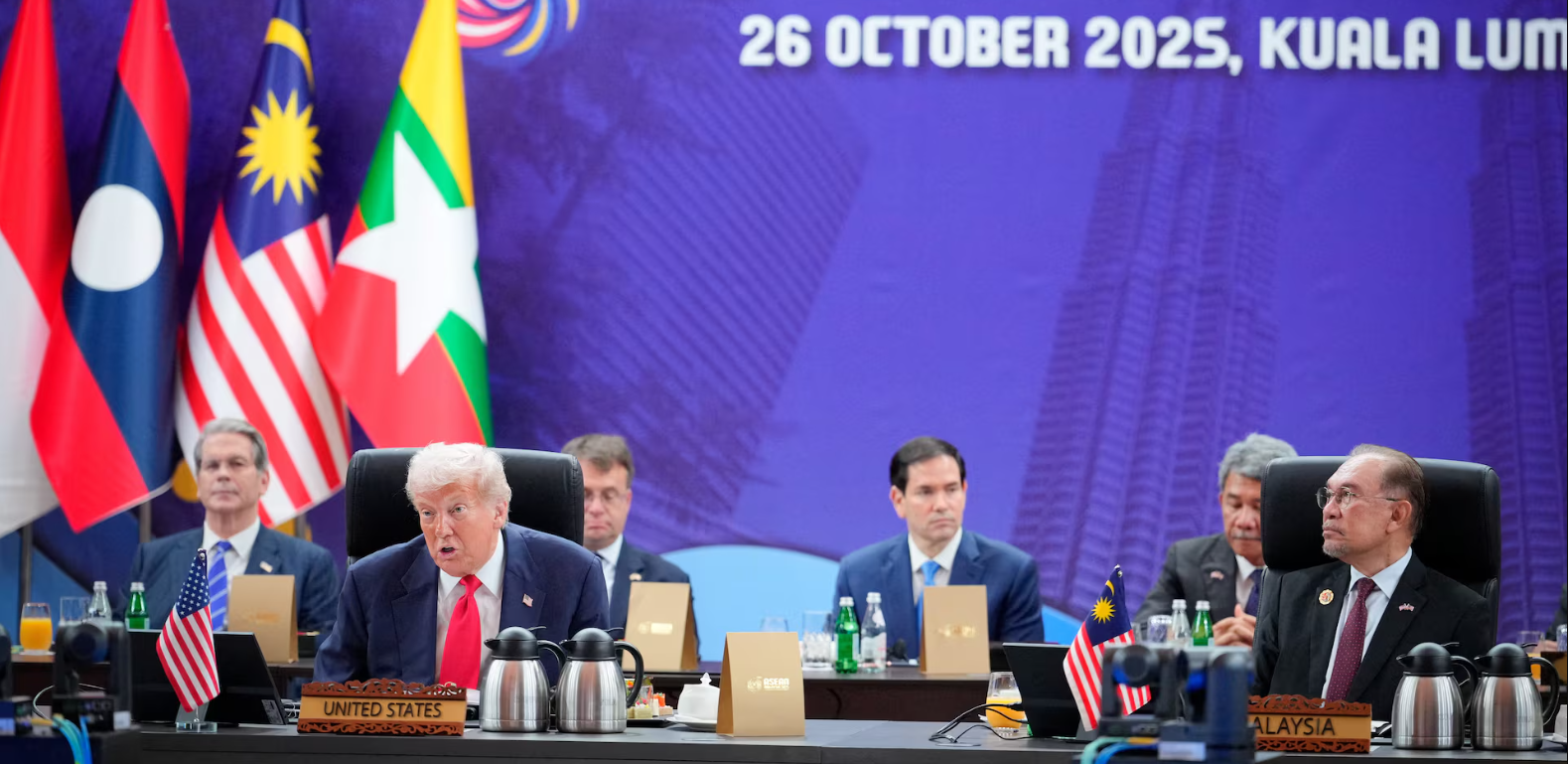
Officials from both countries held intensive negotiations on the sidelines of the ASEAN Summit in Kuala Lumpur. The outcome has reportedly eliminated the threat of 100% US tariffs on Chinese imports that were set to begin in November. At the same time, Beijing is expected to delay its rare earth minerals licensing policy for one year to allow further review.
US officials described the development as a significant step toward stabilizing trade relations. The planned agreement is expected to be finalized when Trump and Xi meet on Thursday during the Asia-Pacific Economic Cooperation (APEC) summit in South Korea.
Preliminary Consensus Reached on Trade Terms
Chinese representatives confirmed that a “preliminary consensus” had been achieved, emphasizing that both countries will now proceed through their respective internal approval processes. They noted that discussions were intense but constructive, with both sides committed to finding balanced solutions.
The Chinese delegation highlighted that while the United States maintained a tough stance, China remained firm in defending its economic interests. Despite cautious optimism, Beijing has not yet confirmed whether President Xi will attend the planned summit with Trump.
Agricultural Trade and Economic Balancing
The talks also focused on restoring agricultural trade between the two nations. Washington expects Beijing to resume large-scale purchases of American soybeans, which had dropped to zero in September. This move would provide relief to US farmers, who have been impacted by trade restrictions over the past year.
US officials expressed confidence that farmers will benefit from renewed trade flows, predicting stability for upcoming harvest seasons.
Expanding Cooperation on Broader Economic Issues
In addition to tariffs and agricultural trade, discussions touched on broader economic concerns, including the global fentanyl crisis, port entrance fees, and the pending transfer of TikTok to US ownership. Both sides agreed that progress in these areas would help reduce tensions and encourage long-term cooperation.
US officials confirmed that finalizing the TikTok transaction remains one of the key agenda items for Trump and Xi’s meeting. They also expect to address sensitive geopolitical issues, such as Taiwan and the case of detained Hong Kong media entrepreneur Jimmy Lai.
Rare Earths Remain at the Core of Dispute
Rare earth minerals have become a central issue in the ongoing trade standoff. China dominates over 90% of the global supply of these materials, which are crucial for advanced technologies including electric vehicles, semiconductors, and defense equipment. Any disruption to exports could cause significant strain on global manufacturing chains.
By agreeing to postpone export restrictions, China aims to prevent immediate market shocks and maintain a stable supply for international manufacturers. The United States, in turn, is expected to pause its planned retaliatory measures, including additional software and technology export curbs.
Outlook Ahead of Trump-Xi Summit
As Trump prepares for his meeting with Xi, both governments appear cautiously optimistic about reaching a formal agreement. Trump has expressed confidence that a deal is within reach, emphasizing the mutual benefits of trade stability.
The proposed framework, which suspends tariff escalations and delays rare earth export controls, may mark a turning point in US-China economic relations. However, the final outcome will depend on the discussions between the two leaders in South Korea.
