

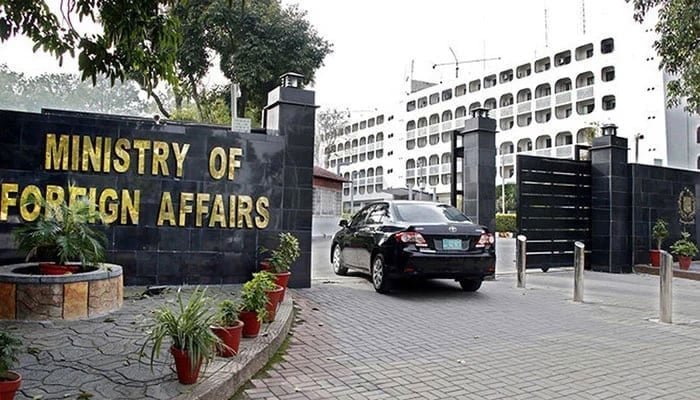

Pakistan has accused the Afghan Taliban of using recent peace talks merely to prolong a temporary ceasefire rather than take tangible action against terrorist networks operating from Afghan territory. According to Islamabad, the Taliban regime has avoided addressing Pakistan’s key concerns regarding militant sanctuaries belonging to banned outfits.
Talks Fail to Deliver Concrete Results
The dialogue between the two sides took place after several rounds of diplomacy aimed at de-escalating border tensions that had intensified over the past month. Despite these efforts, the discussions ended without meaningful progress. Officials in Islamabad stated that the Taliban appeared focused on maintaining the ceasefire rather than addressing the presence of groups like the Tehreek-i-Taliban Pakistan (TTP) and Balochistan Liberation Army (BLA).
Pakistan stressed that the Afghan side engaged in prolonged and unproductive debates instead of committing to verifiable counterterrorism steps. Authorities described this behaviour as an attempt to deflect attention and undermine Pakistan’s legitimate concerns.
Alleged Protection of Militant Groups
Pakistan reiterated that several TTP fighters fled to Afghanistan after the launch of Operation Zarb-i-Azb in 2015. These militants allegedly aided the Taliban during their conflict with international and Afghan forces. Islamabad claims these fighters and their families now enjoy protection in Afghanistan as a reward for their past support.
The statement highlighted that despite repeated assurances, the Taliban regime has failed to hand over these individuals. Pakistan maintains that this failure reflects not a lack of capability but a lack of intent to act against the militants.
Rising Cross-Border Terrorism Since 2021
Islamabad expressed frustration over the increasing number of terrorist attacks in Pakistan since the Taliban took power in 2021. Officials say most of these attacks originate from across the border. Pakistan, however, has continued to show restraint, refraining from retaliatory military action.
Authorities said the country had extended humanitarian and trade support to Afghanistan, hoping for cooperation in return. These efforts, including educational and medical visa facilitation, were meant to promote peace and regional stability. However, Pakistan believes these gestures were met with empty promises and inaction.
Pakistan Demands Accountability and Concrete Steps
The statement reaffirmed Pakistan’s demand for the immediate handover of all terrorists hiding in Afghanistan. It rejected Kabul’s argument that these militants should be treated as refugees, calling this narrative a tactic to shield extremists.
Islamabad warned that any group or government supporting or protecting such elements would not be regarded as friendly. It also underlined that Pakistan reserves the right to defend its citizens and sovereignty against cross-border attacks.
Internal Divisions and Foreign Influence Within the Taliban
Pakistan’s statement suggested the presence of internal divisions within the Taliban. It mentioned a “strong lobby,” allegedly supported by foreign actors, that seeks to worsen tensions with Pakistan for political and financial reasons.
The statement claimed that some Taliban figures exploit anti-Pakistan rhetoric to strengthen their internal legitimacy. This, according to Islamabad, is damaging whatever goodwill remains between the two neighbours.
Attempts to Exploit Ethnic Narratives
Pakistan also accused certain elements in the Taliban regime of trying to stoke ethnic divisions by promoting Pashtoon nationalism. Islamabad emphasized that Pashtoons in Pakistan are an integral part of the national fabric, holding leadership positions in politics and administration.
Authorities advised the Taliban to focus instead on improving inclusivity within their own governance structures rather than spreading divisive narratives across the border.
Pakistan has reiterated its commitment to dialogue with any legitimate government in Kabul but ruled out talks with terrorist organisations. The country’s stance remains clear: Afghan soil must not be used for attacks against Pakistan.
If the Taliban continue to avoid concrete measures, Islamabad warned that it would take all necessary steps to safeguard its people and national interests.
