


Indigenous voices urge protection of ancestral lands as leaders debate climate action priorities.
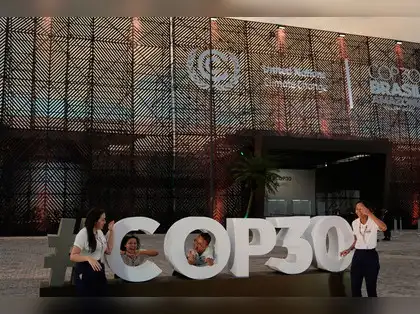
The COP30 Climate Summit officially opened on Monday in Belem, Brazil, with a strong appeal from the United Nations for nations to work together rather than compete over political and financial priorities. The two-week conference, held in the heart of the Amazon, seeks to reenergize global efforts against climate change amid growing geopolitical friction and skepticism toward green transitions.
UN and Brazil Push for Cooperation Over Confrontation
Addressing delegates from over 190 nations, UN Climate Change Executive Secretary Simon Stiell emphasized the need for collective action. “Your job here is not to fight one another – your job is to fight this climate crisis, together,” he said. Stiell acknowledged that three decades of UN climate negotiations had slowed projected global warming but warned that “much more work remains.”
Host nation Brazil successfully negotiated an agreement on the summit’s agenda, deflecting attempts by developing countries to include contentious issues such as global carbon taxes and climate finance. President Luiz Inacio Lula da Silva delivered a fiery speech, urging leaders to reject denialism and disinformation. “They attack the institutions, the science, the universities,” he said. “It’s time to impose another defeat on the denialists.”
The summit opened without participation from the United States government, with President Donald Trump continuing to deny climate change as a hoax. In contrast, U.S. state representatives including California Governor Gavin Newsom and New Mexico Governor Michelle Lujan Grisham planned to attend. Newsom criticized Washington’s absence, saying, “We should be engaging with Brazil, not alienating one of our key trading partners.”
Indigenous and Global Voices Demand Urgent Action
Indigenous communities made a powerful entrance, arriving in Belem after traveling 3,000 kilometers from the Andes by boat. They demanded greater influence in managing their ancestral lands, which face growing threats from mining, logging, and oil drilling. “We want action, not promises,” said Pablo Inuma Flores, an Indigenous leader from Peru. “We are the ones who suffer most from the impacts of climate change.”
Meanwhile, scientists from leading universities issued a stark warning about the rapid destabilization of glaciers, ice sheets, and frozen regions. In an open letter, they urged delegates to put aside geopolitical disputes. “Climate change is the defining security and stability challenge of our time,” they wrote.
COP30 President Andre Correa do Lago highlighted China’s expanding leadership role in providing affordable green technologies, saying its innovations were “driving the global energy transition.” German Vice Minister Jochen Flasbarth echoed the need for a united front, pledging that Europe would push for stronger commitments to phase down fossil fuels.
As the world watches Belem, COP30 stands as a test of whether global cooperation can overcome political division and deliver tangible climate progress before time runs out.
