

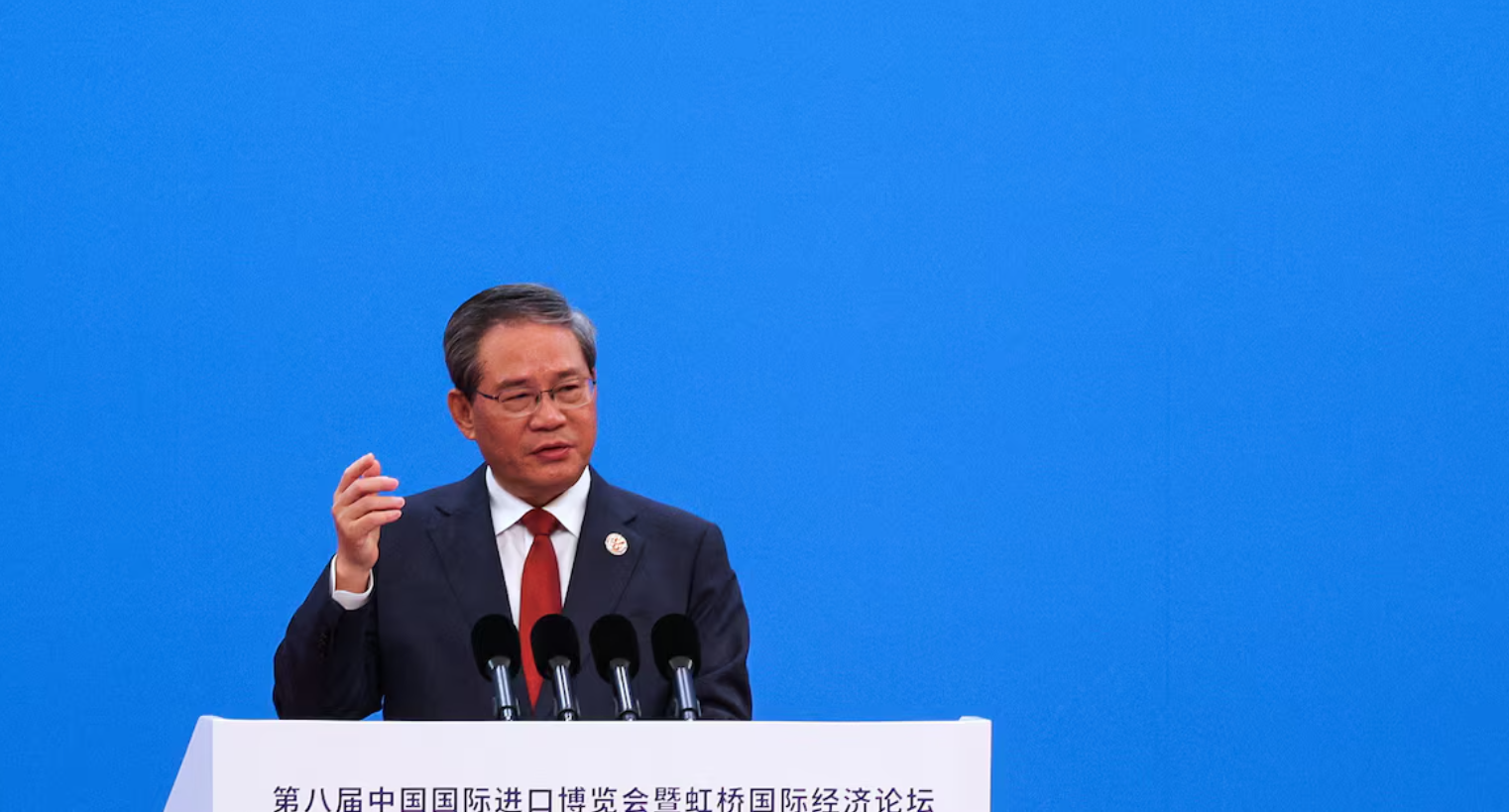

China has decided not to hold a meeting with Japan’s prime minister at the upcoming G20 summit in South Africa. The announcement comes as tensions over Taiwan continue to escalate. The decision reflects growing frustration in Beijing regarding recent political statements made by Japan.
China’s foreign ministry stated that the Japanese prime minister’s remarks on Taiwan have harmed the foundation of bilateral relations. According to Beijing, these comments created a serious obstacle for any high-level talks. The ministry also urged Japan to withdraw what it described as “wrongful” statements. Although China and Japan maintain extensive diplomatic and economic ties, their relationship remains sensitive due to territorial and security issues.
Earlier this month, Japan’s internal debate around Taiwan intensified. During a parliamentary session, a senior Japanese official warned that a Chinese attack on Taiwan could lead to a possible military response from Japan. This comment immediately triggered strong reactions from Beijing. China maintains that Taiwan is part of its territory and rejects any foreign involvement in the issue.
The disagreement has now reached the international stage. The G20 summit, often used for informal diplomatic engagements, will not serve as a platform for dialogue between the two Asian powers this time. As a result, expectations of a thaw in relations are fading. Instead, both sides appear to be taking firmer positions.
However, the situation remains complex. Japan views stability in the Taiwan Strait as crucial for regional security. China, meanwhile, insists that any statements supporting Taiwan’s defense violate the core principles of Sino-Japanese relations. Because of this, diplomatic friction has only increased in recent weeks.
Even so, both countries may still look for future opportunities to manage their differences. The G20 summit could have been an ideal moment to ease tensions. Yet the current climate makes constructive engagement difficult. Observers believe that dialogue will remain limited unless Japan revises its recent comments or China softens its stance.
For now, the absence of a meeting between the two leaders signals a period of uncertainty. Regional partners will likely watch the situation closely. The Taiwan issue continues to influence security discussions across Asia, and any shift in China-Japan relations may affect broader regional dynamics.
As the summit approaches, the diplomatic distance between Beijing and Tokyo highlights how sensitive the Taiwan question has become. Both nations understand the stakes, yet neither appears willing to adjust its position at this stage.
