

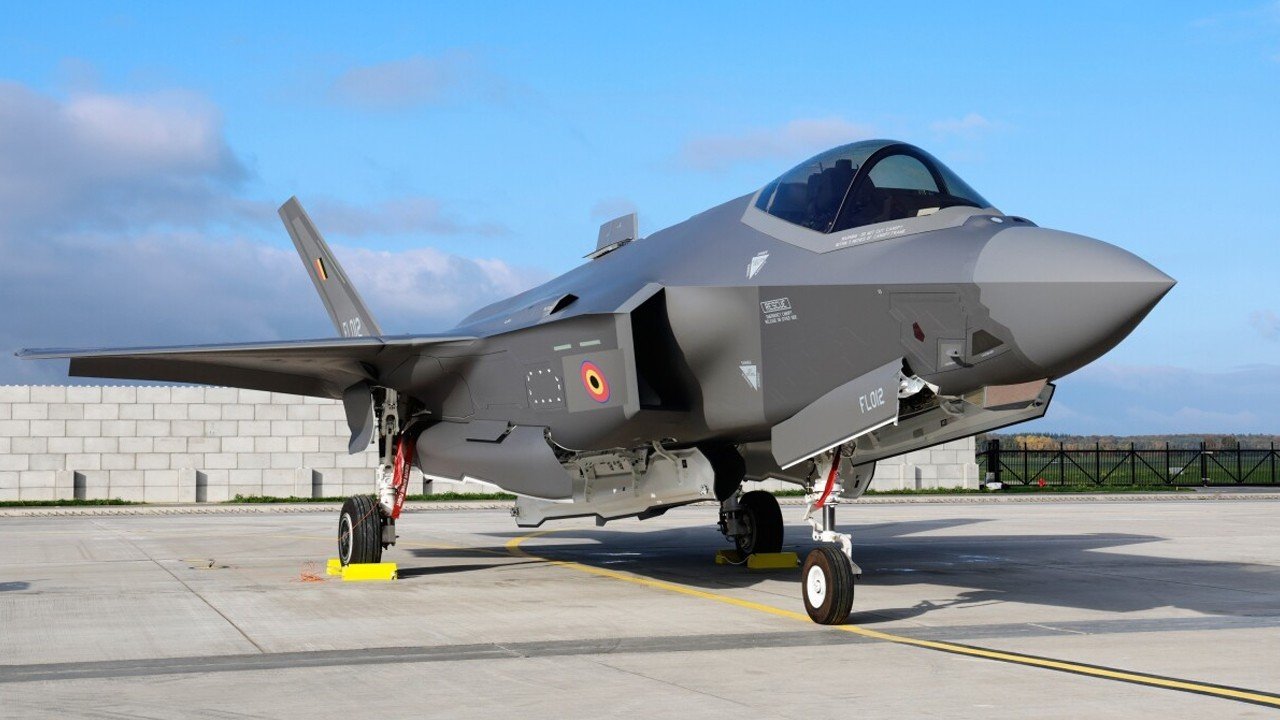

The United States has confirmed that the F-35 fighter jets planned for sale to Saudi Arabia will come without the advanced features supplied to Israel. This limitation complies with US law ensuring Israel’s qualitative military edge (QME) in the Middle East, officials and defence experts said on Wednesday.
Israel to Retain Superior F-35 Technology
US President Donald Trump announced the sale earlier this week, but defence officials clarified that the Saudi F-35s would be technologically inferior. Israel’s fleet benefits from exclusive upgrades, including advanced electronic warfare systems and the freedom to integrate local weapons. Israel can also add radar-jamming tools and modify software independently — privileges not extended to any other nation.
Despite these assurances, the Israeli Air Force still opposed the sale, warning in an internal paper that even downgraded jets for Saudi Arabia could erode Israel’s air dominance, according to The Times of Israel.
Saudi Jets to Receive Limited Weapons and Delayed Delivery
Defence analysts say Saudi Arabia is unlikely to receive the AIM-260 Joint Advanced Tactical Missile (JATM), the most sensitive long-range weapon designed for fifth-generation fighters. The missile is expected to be offered only to Israel. Each F-35 order is customised per country, with the US operating the most advanced version and others receiving limited capabilities.
Israel also enjoys a numerical advantage, operating two squadrons and preparing for a third. Saudi Arabia would get two squadrons, but deliveries are expected to take several years. Israel’s eight-year operational head start further strengthens its position.
A formal QME review must occur before the sale is finalised, and Congress must approve it. Officials note that Israel’s strong support in Washington could influence the outcome. However, the US also wants Israel to back efforts to bring Saudi Arabia into the Abraham Accords.
If approved, the sale would place Saudi Arabia alongside Qatar and the UAE, which have also requested F-35s. Those deals remain delayed due to concerns over delivery schedules, capability limits, and potential Chinese access to sensitive technology.
