

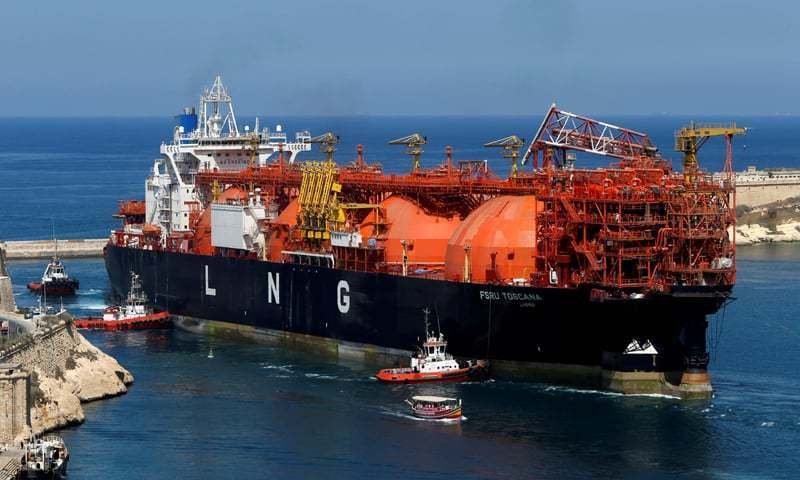

Pakistan is preparing for a significant change in its energy pricing framework as the government shifts the burden of potential losses from diverted LNG cargoes onto RLNG consumers. This move marks a clear break from previous practice, where the state and its entities absorbed such losses under the Net Proceed Differential clause.
Government Ends Absorption of LNG Diversion Losses
Under the updated policy, losses from diverted cargoes will no longer be carried by national institutions. Instead, these costs will move directly to RLNG consumers across several sectors. This adjustment impacts RLNG-based power plants, export industries and new domestic users linked to RLNG supply. Consequently, higher tariffs appear likely across these segments.
Officials confirmed that Pakistan is negotiating with Qatar to divert between 24 and 29 LNG cargoes in 2026 under contractual provisions. Qatar will confirm the exact number soon, though officials expect the lower figure.
How the NPD Clause Shapes the New Strategy
The Net Proceed Differential clause allows Pakistan to divert term cargoes to the international market. If a diverted cargo sells above the term contract price, Qatar retains the additional profit. However, if the global price is lower, Pakistan State Oil must cover the loss. Because of this structure, the burden on domestic entities has grown.
Therefore, the government decided that PSO and the state cannot continue absorbing these risks. Instead, RLNG consumers will now carry this responsibility.
Ogra’s Projection Sparks Important Questions
The Oil and Gas Regulatory Authority recently projected a positive gain of Rs48 billion from potential cargo diversions. According to the regulator, domestic consumers will continue receiving local gas at subsidized rates until June 30, 2025. They will pay Rs1,000 per MMBTU instead of the RLNG-linked price of Rs3,500 per MMBTU.
However, questions remain about whether the regulator considered loss-making cargo sales within its calculations. This uncertainty increases concern that RLNG prices may rise more than expected.
Impact on Power, Industry and Domestic Consumers
Passing losses to consumers will inevitably influence RLNG tariffs. RLNG-based power generation will become more expensive. Export industries will face higher fuel costs, which may affect competitiveness. Furthermore, new domestic consumers seeking RLNG connections will likely receive heavier bills. These impacts could shape demand patterns in the coming year.
Government Cites Major Foreign Exchange Savings
Despite rising concerns, officials highlight potential benefits. If Qatar approves the diversion plan, Pakistan could save nearly $339.6 million in foreign exchange. This estimate is based on the current term price of $28.3 million per cargo. The government views this saving as an incentive for pursuing the diversion strategy.
Earlier Missed Opportunities Add Pressure
Sources note that Pakistan held an RLNG surplus earlier. During October 2024, multiple meetings involving key gas and energy companies recommended diverting 37 cargoes. Spot market prices remained higher than Pakistan’s term prices throughout 2025, making the diversion commercially attractive. Yet the opportunities were not used, which created operational and financial pressures.
A Shift That Could Reshape the Energy Market
This policy shift represents an important change in Pakistan’s approach to LNG management. While the government expects foreign exchange savings, consumers must prepare for higher RLNG tariffs. The long-term impact will depend on global market trends and domestic demand conditions.
