

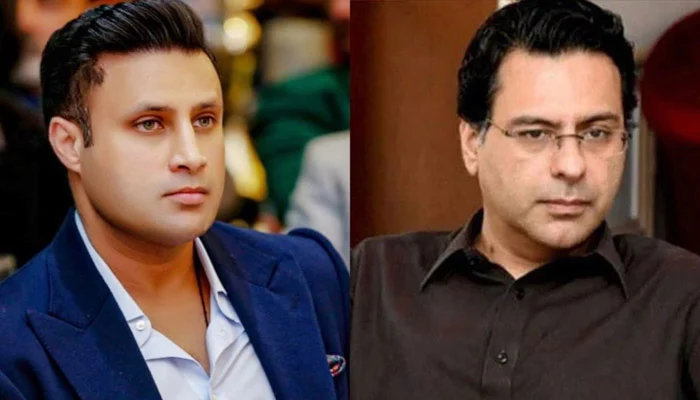

Interpol has dropped the terrorism-related extradition request for senior Pakistan Tehreek-e-Insaf leader Zulfi Bukhari. The decision comes barely a month after Interpol cleared Moonis Elahi of corruption allegations. As a result, the interior ministry has suffered another major setback.
According to confirmation from Interpol’s General Secretariat, Bukhari is no longer under investigation. He is also no longer subject to any Interpol notice or diffusion. Officials confirmed that Pakistan’s request has been removed from Interpol’s system.
Earlier, the government had sought Bukhari’s arrest and extradition from abroad. Authorities accused him of involvement in terrorism-related incidents. These allegations were linked to protests and violence during court appearances of PTI founder Imran Khan.
Meanwhile, the decision followed a similar outcome in the Moonis Elahi case. Last month, Interpol gave Moonis a clean chit. The international body rejected Pakistan’s corruption and criminal allegations against him. Consequently, both cases have now collapsed.
Two years ago, the interior ministry approached Interpol against both leaders. It sought red notices for Moonis Elahi and Zulfi Bukhari. Officials accused both of serious criminal activities. They also demanded their immediate extradition to Pakistan.
In Moonis Elahi’s case, authorities alleged a murder conspiracy. The complaint claimed the plot originated from London and targeted a victim in Gujarat. The government also accused Moonis of corruption during Imran Khan’s tenure.
Furthermore, officials alleged that Moonis made illicit gains while holding power. They claimed he fled Pakistan over three years ago. However, Interpol later found insufficient evidence to support these accusations.
In contrast, the case against Zulfi Bukhari focused on terrorism charges. The interior ministry accused him of orchestrating violence outside the Judicial Complex. These incidents allegedly occurred during Khan’s court appearances.
Additionally, the government linked Bukhari to other acts of terrorism. It also accused him of involvement in the Al-Qadir Trust case. Officials described Bukhari as a central figure alongside Bushra Bibi and Imran Khan.
Subsequently, Bukhari’s legal team challenged the accusations before Interpol. They argued that the charges lacked substance. They also claimed the cases were politically motivated.
In a formal letter to Bukhari’s lawyers, Interpol confirmed its decision. The letter stated that relevant checks were carried out. It added that Pakistan-provided information had been deleted from Interpol’s system.
Interpol further certified that Bukhari faces no notice or diffusion. The General Secretariat enclosed official documentation to support the decision. This confirmation effectively closed the case.
Last month, Interpol issued a similar certification for Moonis Elahi. It confirmed that Moonis, 49, was no longer subject to any notice. The decision followed Pakistan’s request for his extradition and prosecution.
Credible Interpol sources later spoke to Geo News. They confirmed that investigators found no solid evidence against Moonis. As a result, Interpol dropped its long-running inquiry.
According to officials, the red notice requests against Bukhari began in mid-2023. The request against Moonis followed roughly a year later. Both cases originated under the interior ministry.
Interior Minister Mohsin Naqvi has repeatedly vowed to repatriate wanted PTI leaders. He pledged to bring them back at any cost. However, recent developments have undermined these efforts.
Legal experts say the decisions expose weaknesses in Pakistan’s cases. They argue that political disputes cannot justify international criminal action. Interpol rules strictly prohibit political misuse.
For Moonis and Bukhari, the decisions offer significant relief. Both leaders have consistently denied all allegations. Their lawyers maintain the cases were acts of political victimisation.
Meanwhile, the interior ministry now faces renewed scrutiny. Observers say the setbacks could weaken future extradition attempts. The outcome also raises questions about evidence standards.
Overall, Interpol’s actions mark a serious blow for the government. At the same time, they strengthen PTI’s claims of persecution. The issue is likely to fuel further political debate.
