

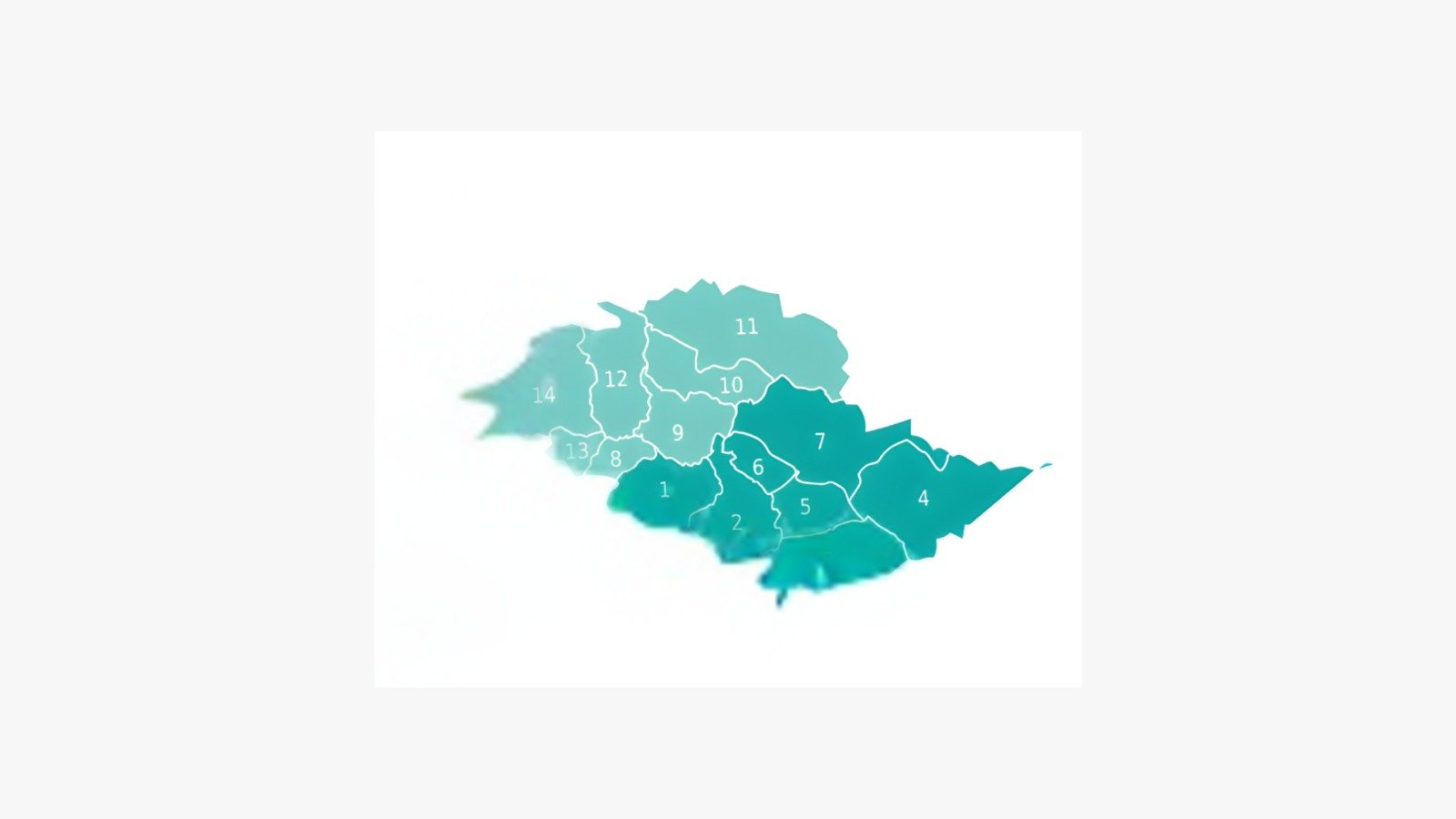

Gilgit-Baltistan (GB) occupies one of the most strategic and environmentally sensitive regions of Pakistan. It serves as the nation’s gateway to China, hosts critical CPEC infrastructure, and safeguards the headwaters of the Indus River. Despite this centrality, GB remains outside Pakistan’s constitutional framework and functions through ad hoc administrative orders issued by the federal government. This arrangement, shaped by the unresolved Kashmir dispute, has left the region politically undefined, economically constrained, and institutionally fragile. The resulting governance vacuum affects every aspect of life from health and education to infrastructure, climate resilience, and social inclusion.
Pakistan requires a bold and forward-looking approach that respects its diplomatic commitments on Kashmir while addressing the urgent developmental and administrative needs of GB’s residents. The most workable, equitable, and future-oriented solution is a combination of provisional constitutional integration and administrative restructuring through the creation of two provinces Gilgit and Baltistan. This model aligns with global lessons on governing high-altitude regions and responds directly to GB’s internal geographic, cultural, and institutional realities.
Gilgit-Baltistan’s governance structure today suffers from its hybrid character. While the region possesses an elected Legislative Assembly, actual decision-making authority rests largely with the federal Ministry of Kashmir Affairs. Departments remain understaffed, budgets are heavily dependent on federal transfers, and long-term planning is limited by the absence of constitutional protections or fiscal autonomy. Judicial structures lack constitutional legitimacy, creating confusion in legal processes and undermining public confidence. These limitations become even more pronounced given the region’s challenging geography, where remote valleys remain disconnected for months due to landslides and extreme weather, further delaying access to government services.
Socio-economic indicators reflect the consequences of this administrative fragility. Healthcare remains limited, with only one tertiary-care hospital serving the entire region. Many communities in Baltistan or Diamer divisions travel long distances for basic medical attention, often through hazardous terrain. The education sector also exhibits disparities, with relatively advanced districts like Hunza contrasted by weaker learning outcomes and limited higher education opportunities in peripheral districts. Infrastructure, especially beyond the Karakoram Highway, remains unreliable; roads frequently close due to landslides, electricity shortages persist despite hydropower potential, and digital connectivity is inconsistent. The economy similarly underperforms despite vast natural advantages in tourism, agriculture, hydropower, and minerals. Youth unemployment has increased, contributing to a growing brain drain as young people migrate to other provinces.
These challenges are compounded by the climate crisis. GB is home to thousands of glaciers that sustain Pakistan’s water supply, yet communities face rising threats from glacial lake outburst floods, erratic weather patterns, and frequent landslides. Local institutions lack both the resources and authority to implement climate adaptation measures effectively.
Within this complex governance and developmental landscape, the proposal to divide Gilgit-Baltistan into two provinces offers a practical way forward. The geography of GB spanning vast mountain ranges, remote valleys, and lengthy travel distances makes it increasingly difficult to administer the entire territory from a single provincial structure. Dividing GB into a Gilgit Province and a Baltistan Province would align governance with ground realities. It would allow each province to manage its unique geographic challenges, cultural dynamics, and developmental priorities. Baltistan, for instance, requires a separate disaster management and climate resilience framework due to its glacier-dense terrain, while Gilgit Division demands targeted economic interventions focused on agriculture, minerals, and innovation.
Creating two provinces enhances administrative responsiveness by placing decision-making closer to local populations. It reduces bureaucratic delays, accelerates development programs, and improves service delivery by allowing smaller and better-managed units to oversee health, education, infrastructure, and economic planning. It also ensures more equitable development. Historically, development resources have concentrated in select districts, leaving others relatively underfunded. With two provinces, budget priorities can be tailored to local needs, ensuring that all districts receive balanced investment and political attention.
Culturally and socially, the two-province model respects the region’s unique identity landscape. GB is home to diverse linguistic and cultural groups, including Shina, Balti, Wakhi, and Burushaski communities. A decentralized governance model allows local governments to preserve and promote cultural heritage, design linguistically relevant education systems, and develop community-driven tourism strategies that generate income while protecting local traditions.
From a national security and geopolitical standpoint, the division enhances Pakistan’s strategic oversight of border regions. It enables more coordinated civil-military planning, improves border management capacity, and ensures faster response mechanisms during emergencies especially essential in a region that borders China, India, and Afghanistan.
The two-province model must be anchored in provisional constitutional integration, ensuring the people of both Gilgit and Baltistan receive representation in Pakistan’s Parliament, protection under the Constitution, access to judicial redress, and fair participation in federal fiscal mechanisms. Crucially, this integration can be structured to preserve Pakistan’s long-standing diplomatic position on Kashmir, as provisional arrangements need not predetermine the region’s final political status.
A carefully designed reform agenda is essential to support this administrative restructuring. Health systems must be strengthened through new tertiary hospitals in both provincial capitals, expanded telemedicine networks, and improved emergency response systems. Education requires increased investment in universities and technical centers to meet local employment needs. Infrastructure development should prioritize all-weather roads, reliable electricity, and expanded digital connectivity. Economic reforms must focus on establishing Special Economic Zones, regulating tourism, and creating value chains for agriculture, minerals, and handicrafts. Climate resilience should be central, supported by new monitoring stations, community-based disaster teams, and climate-proof infrastructure.
Gilgit-Baltistan stands at a decisive juncture. Its people have long expressed the desire for constitutional rights, economic equality, and political dignity. The creation of two provinces, combined with meaningful constitutional integration, offers Pakistan an opportunity to transform GB from a marginal administrative territory into a dynamic, empowered, and resilient region. This reform model strengthens national unity, enhances development outcomes, and ensures that GB’s strategic importance is matched by institutional stability and citizen-centered governance.
