

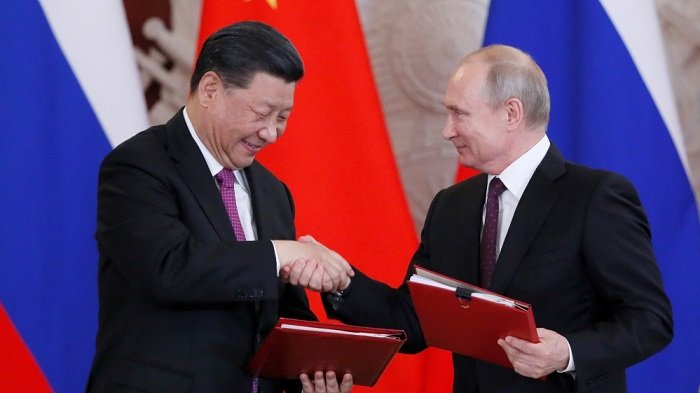

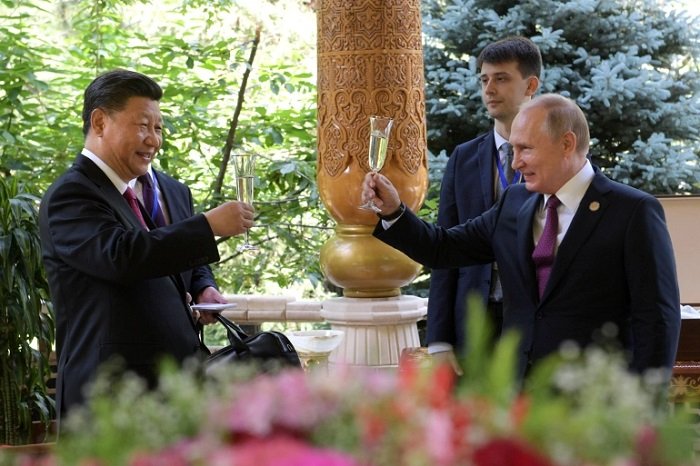
China and Russia are getting close to the Taliban government in Afghanistan as the west is ignoring the land-locked war-torn country.
Beijing, Islamabad, Moscow and Ashgabat have even formally accredited Taliban-appointed diplomats, underscoring how the Taliban’s international isolation is relative while many Afghanistan’s neighbours _ China, Pakistan, and Iran, have accepted Taliban diplomats, along with Malaysia, Qatar, Saudi Arabia, Russia, and Turkmenistan.
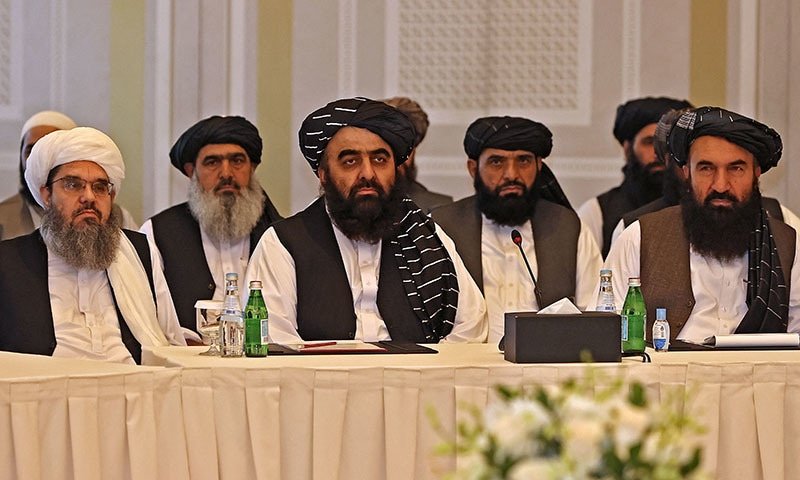
“Hostility to [ISIS-K] helps explain why Russia and China reached out to the Taliban in the years before their victory [in August 2021]. However, these links stop well short of the kind of financial support that the Taliban urgently needs.
Given how China, Russia, and Iran see ISIS-K as a far graver threat than al-Qaeda, these countries will “have at least some sympathy” for the Taliban government “as long as the Taliban continue to fight against [ISIS-K]”, Anatol Lieven, a senior research fellow at the Quincy Institute of Responsible Statecraft, said.
Although Tehran has carefully engaged the rulers in Kabul, the exclusion of the Hazara Shia minority from governance has not impressed Iran, which has also experienced border clashes and disputes over water rights with the Taliban since August 2021.
According to Al-Jazeera, for China’s government, a primary concern pertains to questions about how the Taliban will deal with armed Uighur groups which have a history of being based in Afghanistan in the 1990s.
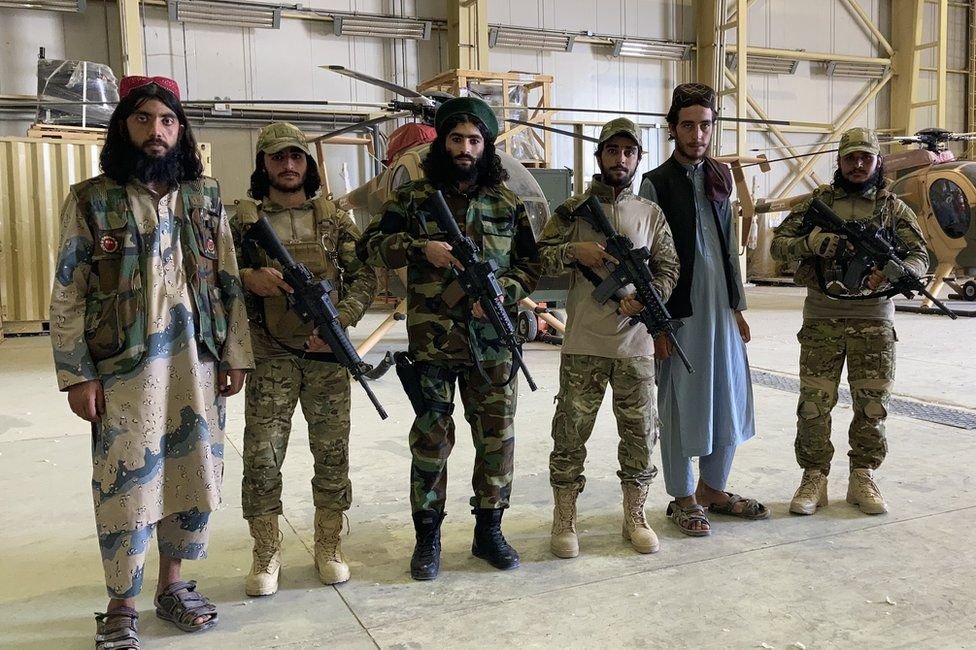
China worries that the Taliban might give such organisations the freedom to operate against China. Beijing has offered the Taliban economic and development support on the condition that Afghanistan cooperates with China vis-à-vis such armed factions and avoids targeting Chinese interests, particularly the Belt and Road Initiative – a global infrastructure project funded by Beijing.
“While Moscow and Beijing do have more contacts with the Taliban than do Western countries, they are nevertheless also weary of the leaders in Kabul,” Claude Rakisits, an honorary associate professor in the Department of International Relations at the Australian National University said.
