

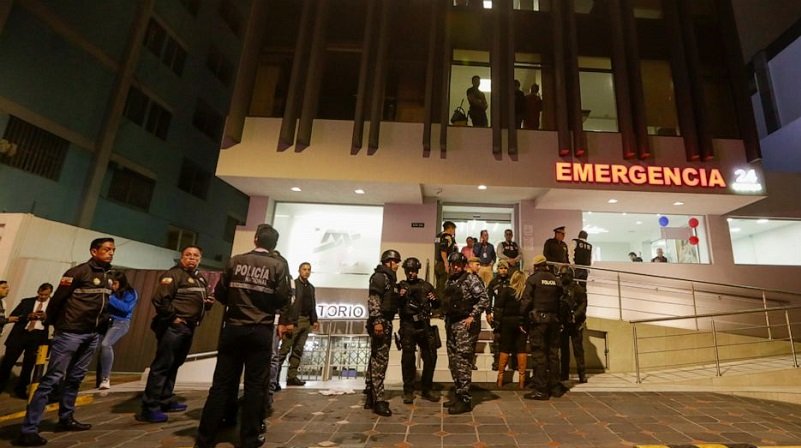

Ecuador declares emergency
Ecuadorian President Guillermo Lasso has taken the step of declaring a state of emergency for 60 days. He took the decision following the assassination of presidential candidate Fernando Villavicencio.
Lasso announced the mobilization of the Armed Forces across the national territory. The aim is to ensure citizens’ safety, and uphold the integrity of the upcoming free elections scheduled for August 20.
Lasso directly confirmed Villavicencio’s assassination and attributed the act to organized crime. The killing occurred less than two weeks before the presidential election on August 20.
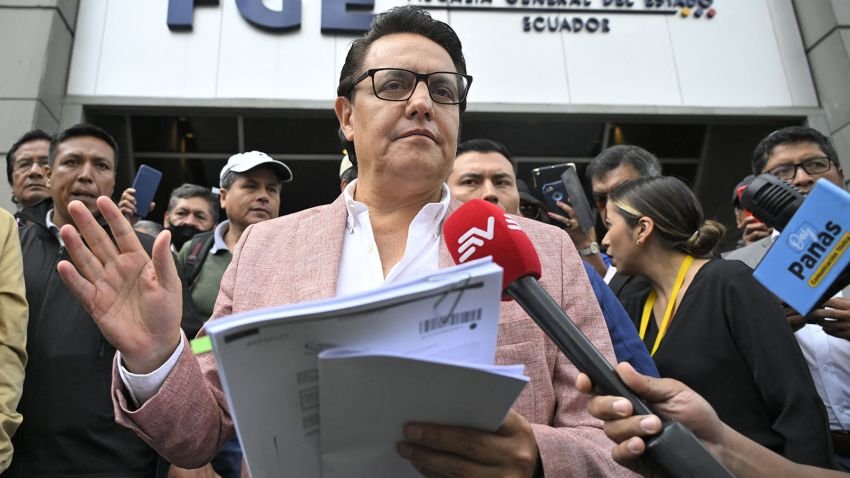
Ecuador declares emergency after assassination of Presidential candidate Fernando.
Villavicencio was a prominent Ecuadorian presidential candidate renowned for his outspoken stance against cartels and corruption. He was shot and killed during a political rally in the capital city.
The incident took place amid a disturbing surge of violence driven by gangs within the South American nation.
In a statement, Lasso vowed that the perpetrators of this crime would face justice. He asserted that organized crime had overstepped its boundaries and would be held accountable under the full extent of the law.
Ecuador’s attorney general reported that one suspect, captured after the assassination, succumbed to wounds in custody.
Additionally, police apprehended six suspects through raids in Quito. The authorities revealed that the Wednesday shooting resulted in injuries to at least nine individuals. The injured also included law enforcement officers and a candidate for the national congress.
The murder prompted a swift and resounding outcry from fellow candidates, who demanded immediate action. Luisa Gonzalez, the leading candidate from the Citizen Revolution party, declared, “When they harm one of us, they harm all of us.”
During his final speech prior to his tragic death, Villavicencio passionately addressed a gathered crowd. He pledged his commitment to combat corruption and hold the nation’s “thieves” accountable.
Villavicencio had previously received multiple death threats. He faced threats from those originating from associates of Mexico’s Sinaloa Cartel, among other international organized crime groups now operating within Ecuador. He viewed his campaign as a direct challenge to these criminal entities.
