


Inflation League
The Pakistan Muslim League-Nawaz (PML-N) has responded strongly to the Pakistan Peoples Party’s (PPP) accusations, as tensions escalate in the lead-up to the February elections.
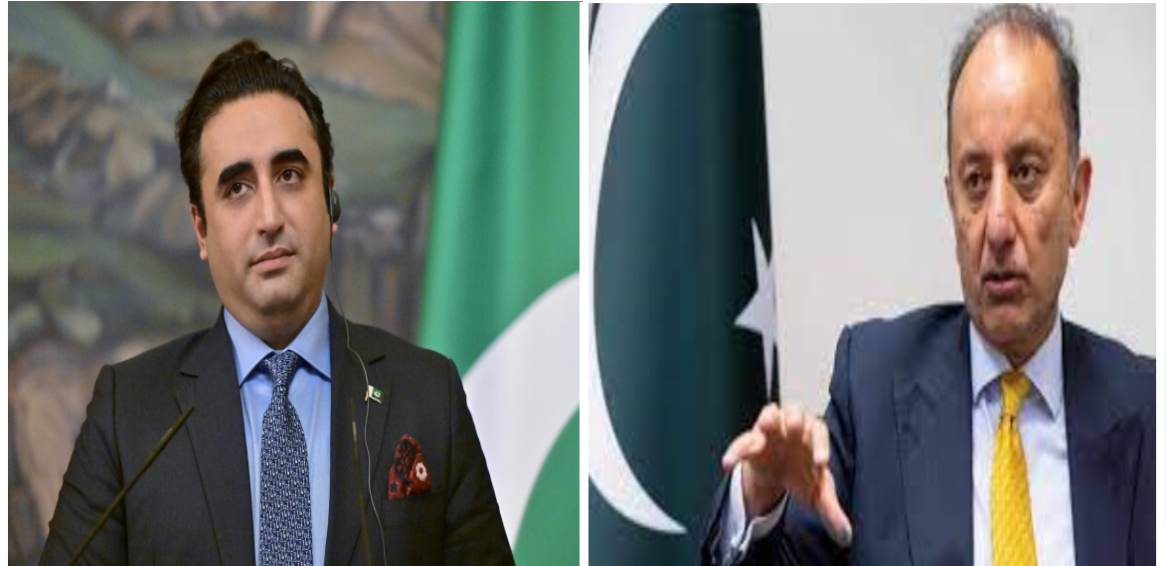
PPP Chairman Bilawal Bhutto-Zardari has been labeling the PML-N as the “mehangai [inflation] league,” placing the blame for the rising prices solely on the Nawaz Sharif-led party’s 16-month governance. This implies that the PPP bears no responsibility for the inflationary pressures.
The Pakistan Democratic Movement’s (PDM) tenure, which included PPP, PML-N, and other parties, concluded in August, marked by soaring inflation, record-high energy and fuel prices, and a significant depletion of foreign reserves. The economic crisis and political turmoil during this period fueled protests by the Imran Khan-led Pakistan Tehreek-e-Insaf (PTI), who were advocating for their government’s removal. The specter of Pakistan defaulting on its obligations was frequently raised during this time, ultimately averted with a short-term International Monetary Fund agreement.
Former Minister of State for Petroleum in the PDM government, criticized Bilawal for singling out the PML-N for inflation and emphasized that all decisions during their 16-month term were collective. Malik took a swipe at Bilawal, reminding him of his time as the foreign minister when he downplayed efforts to secure a Russian oil deal amid escalating petrol prices.
Malik questioned Bilawal’s dismissal of the Russia oil deal as “truck ki batti” during his press conference at the UN in December 2022, while Malik was announcing the agreement. He highlighted the successful import of two oil cargoes from Russia in June, clarifying that although it was cost-effective, its benefits would take time to reach the masses.
Malik urged Bilawal to refrain from criticizing former coalition partners, acknowledging the PPP’s positive role during their joint governance. He emphasized the collective responsibility of decisions and ministries, asserting that unjust behavior and revision of responsibilities should be avoided in the interest of fair assessment.
