

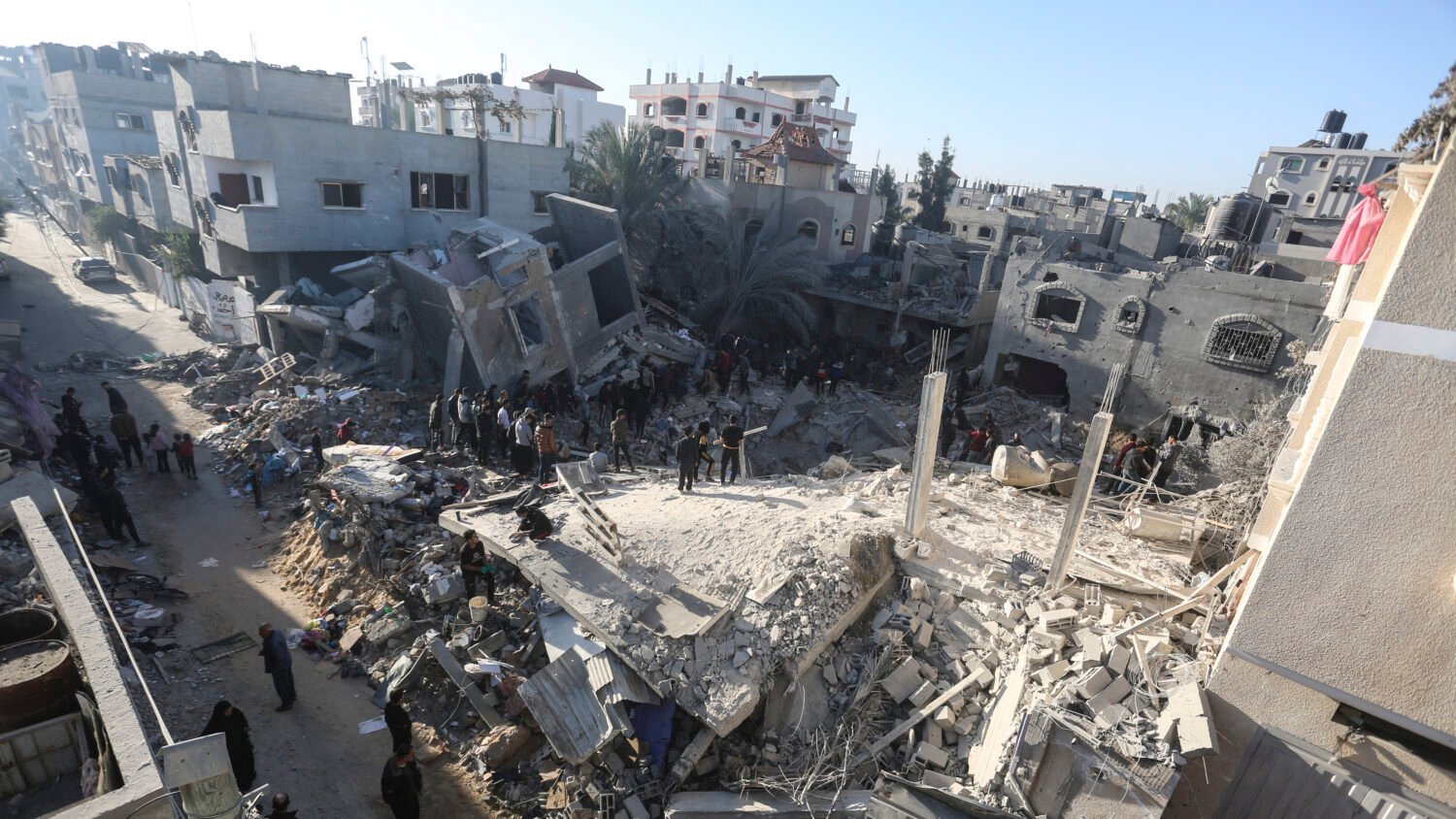

On Sunday, Israeli forces entered southern Gaza, where hundreds of thousands of civilians had sought shelter from the ongoing bombardments and intense clashes with Hamas militants.
The situation has been described as “apocalyptic” by aid groups, expressing concerns about an imminent humanitarian crisis marked by disease and starvation.
According to Hamas, Israel conducted “very violent raids” targeting Khan Yunis and the road leading to Rafah, near the border with Egypt.
Hamas and Islamic Jihad are reportedly engaged in fierce clashes with Israeli forces in the area. The humanitarian crisis is escalating, with aid groups warning of a potential catastrophe due to disease and starvation.
In the past two months of conflict, at least 17,700 people, predominantly women and children, have lost their lives in the Gaza Strip, as reported by the Hamas-run health ministry. Israel has expressed its commitment to eradicating Hamas, citing the group’s attacks on October 7, where approximately 1,200 people were killed after fighters breached Gaza’s militarized border and seized hostages.
As of Saturday, Israel stated that 137 captives remain in the Palestinian territory. The civilian population is seeking refuge in hospitals across Gaza, with makeshift tents filling the courtyards of damaged facilities.
The situation is described as apocalyptic, with nearly 1.9 million people, out of Gaza’s 2.4 million, displaced and confined to overcrowded areas. The UNICEF has highlighted the dire conditions for children, emphasizing the increased risk of respiratory infections and waterborne diseases.
The international community’s efforts for a ceasefire faced a setback when the United States vetoed a UN resolution, citing concerns about leaving Hamas in power. Tensions have extended beyond Gaza, with threats from Huthi rebels in Yemen and exchanges between Israel and Lebanon’s Hezbollah. The situation remains complex and volatile, with regional implications.
