

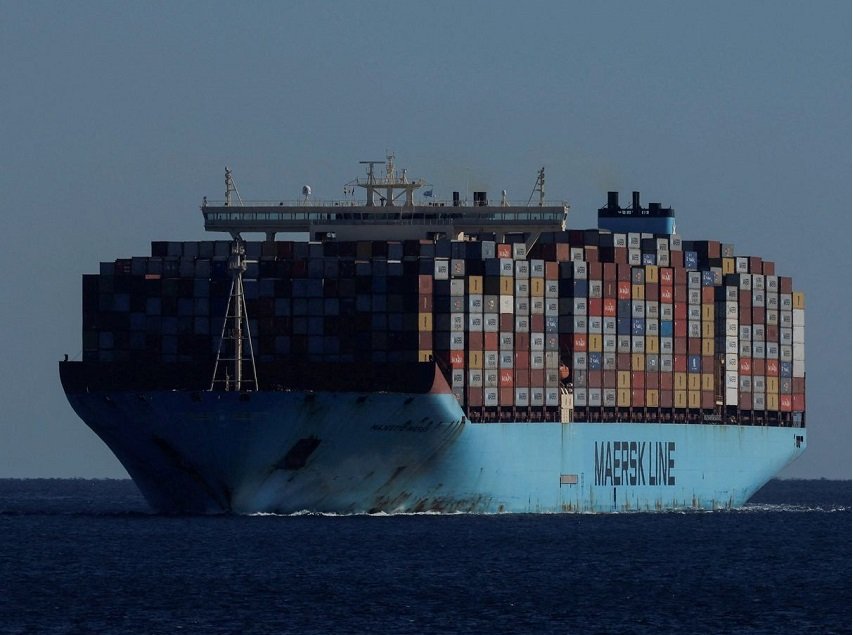

A surge in attacks by Yemen’s Ansarullah naval forces in the Red Sea has prompted several global shipping giants to give up their operations in the region.
Following the announcement of a U.S.-led military alliance to counter these attacks, questions have arisen about the potential success of such efforts.
Among the latest giants to suspend shipping services from the Bab al-Mandab Strait to the Suez Canal covering the Red Sea is British Petroleum (BP), a major oil giant. BP cited the safety and security of its personnel as its primary concern, stating it would temporarily pause all transits through the Red Sea due to the worsening security situation.
This decision by BP follows the actions of MSC, the world’s largest container carrier, which announced its avoidance of the Suez Canal after one of its vessels was struck by Ansarullah forces.
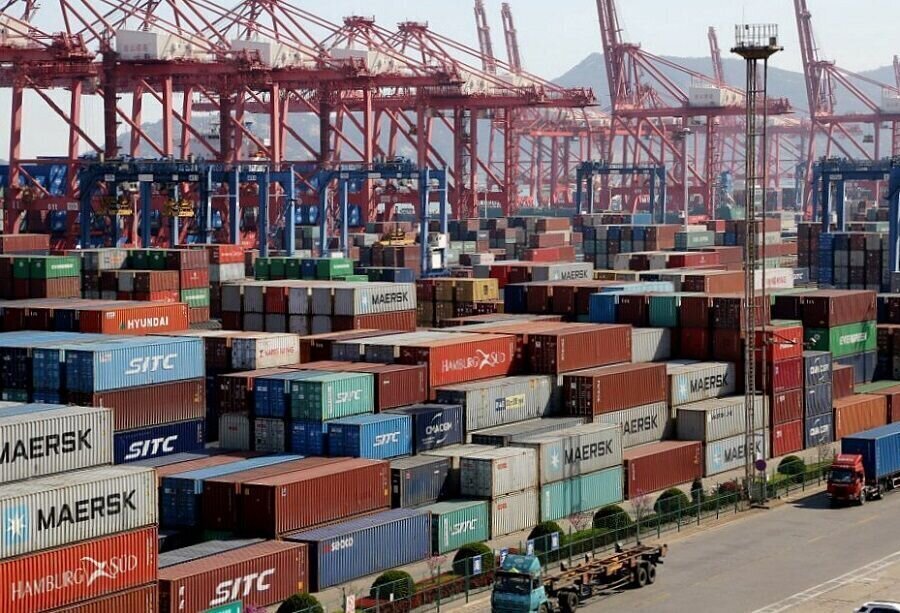
MSC declared that until the Red Sea passage is secure, its ships would not use the Suez Canal and some services would reroute via the Cape of Good Hope.
Maersk, another significant shipping group, suspended the sailing of its container ships in the area after incidents involving their vessels. They instructed all ships scheduled to pass through Bab al-Mandab Strait to halt their journeys until further notice.
Several other major shipping companies, including CMA CGM, Hapag-Lloyd, and Frontline, have also redirected their vessels away from the Red Sea due to security concerns. These companies have asked for understanding from their clients in light of these serious circumstances.
The impact of these security concerns has extended beyond shipping. Evergreen and OOCL have temporarily suspended import and export services in Israel, citing security risks.
Ansarullah’s threats against vessels heading to and from Israel have led to these measures, with the movement launching attacks on vessels in the Red Sea and targeting Israeli military sites using drones and missiles in the occupied Palestinian territories.
