


Electoral Symbol Case
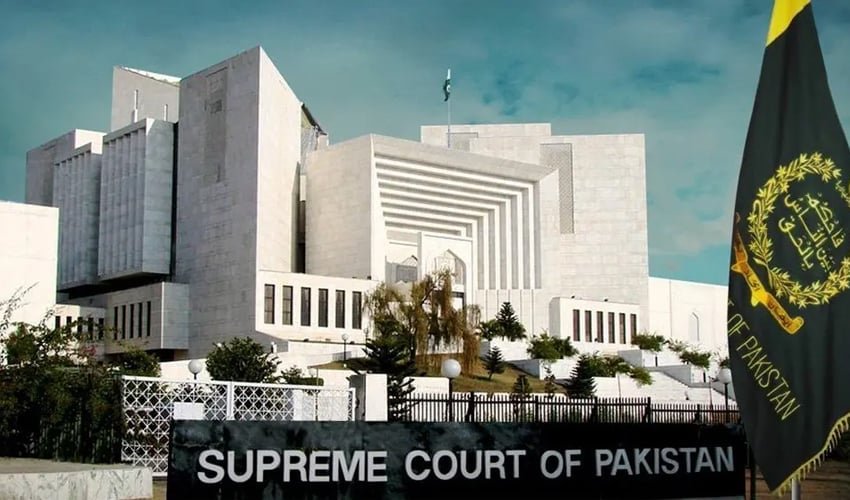
The Supreme Court has not yet issued a decision regarding the Election Commission of Pakistan’s (ECP) appeal against the Peshawar High Court’s (PHC) January 10 ruling that reinstated the Pakistan Tehreek-e-Insaf’s (PTI) bat electoral symbol.
The three-member bench, headed by Chief Justice of Pakistan Qazi Faez Isa, is expected to announce the verdict soon after a day-long hearing.
The ECP had initially prohibited the PTI from using its ‘bat’ symbol for the upcoming February elections on December 22, citing irregularities in their internal polls. The PTI challenged this decision in the PHC, which granted temporary relief, reinstating the bat symbol and referring the case to a larger bench for a hearing on January 9.
On December 30, the ECP contested the PHC’s jurisdiction over the matter, but the PHC later reversed its decision and upheld the ECP’s order. In response to the possibility of losing its bat symbol, the PTI appealed to the Supreme Court, only to withdraw the appeal later, anticipating a favorable outcome from the PHC.
The PHC ultimately declared the ECP’s order “illegal, without any lawful authority and of no legal effect.” However, the ECP challenged this decision in the Supreme Court.
During the hearing, the PTI argued that the ECP lacked jurisdiction to intervene in intra-party polls, asserting that such matters are internal to the party. They claimed bias on the part of the ECP and argued that the commission exceeded its authority by declaring the intra-party polls null and void without an election tribunal.
PTI members, appearing personally, complained about being restricted in submitting nomination papers for the intra-party polls. The discussion also focused on Section 215 of the Election Act 2017, the basis for the PHC’s ruling, and whether the courts have the authority to render sections of the law or Constitution ineffective.
The ECP countered, stating that the PHC exceeded its authority, and the Supreme Court observed that declaring sections of the Election Act redundant was beyond the PHC’s purview. The Chief Justice questioned the legality of PTI’s intra-party polls, while the PTI maintained adherence to due process according to the party’s constitution.
The court reserved its verdict after hearing arguments from PTI and ECP lawyers, as well as PTI members involved in the case.
