

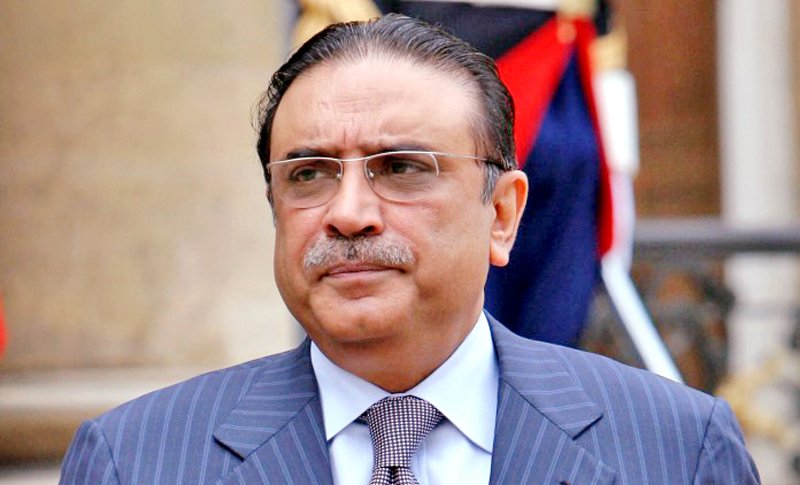

In his recent interview, Asif Ali Zardari, the Co-chairman of the Pakistan Peoples Party (PPP), projected confidence in his party’s performance in the upcoming general elections. Anticipating success, Zardari claimed that the PPP might secure more than 80 seats in the National Assembly on February 8. The focus of the party’s election campaign, led by Chairman Bilawal Bhutto, extends to Karachi, where Zardari believes a clean sweep is possible if not for certain obstacles.
The political landscape in Pakistan has become increasingly contentious as former allies, PPP and Pakistan Muslim League-Nawaz (PML-N), vie for voter support to strengthen their positions. Zardari affirmed the PPP’s strategy, emphasizing their concentration on Punjab, a region pivotal to forming the government due to its significant representation in the upper house of the parliament.
Zardari took shots at PML-N supremo Nawaz Sharif, dismissing the idea of substantial public support for him. He also commented on Sharif’s legal victories, suggesting preferential treatment and a tendency to favor the three-time former prime minister in the judicial system.
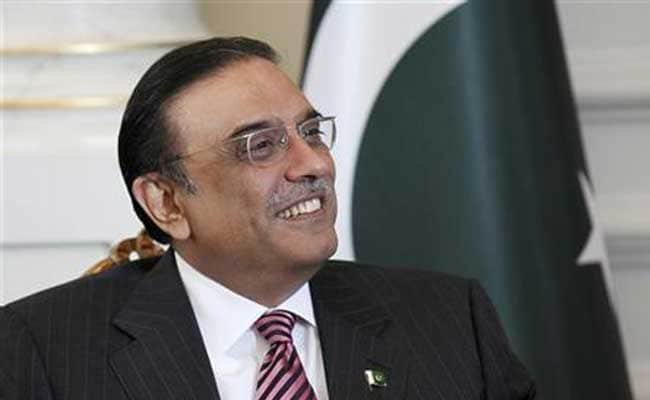
Highlighting the PPP’s political significance, Zardari asserted that no one could become prime minister without the party’s vote. He referenced the PPP’s role in supporting a vote of no-confidence against the Imran Khan-led government. Zardari also touched on internal party dynamics, revealing that Bilawal Bhutto contemplated stepping down as foreign minister but ultimately continued to gain experience in the role.
Zardari addressed the issue of party members defecting to the PTI, expressing optimism that they would return to the PPP after the elections. He specifically mentioned Latif Khosa, expressing doubt about his success on February 8.
Touching on concerns about weather conditions and terrorism affecting voter turnout, Zardari expressed hope that the severity of cold weather in Khyber Pakhtunkhwa would contribute to a decline in terrorist attacks, allowing voters to cast their ballots on election day. He predicted a decrease in the political crisis once the elections concluded, offering a glimpse of post-election stability in the country.
