

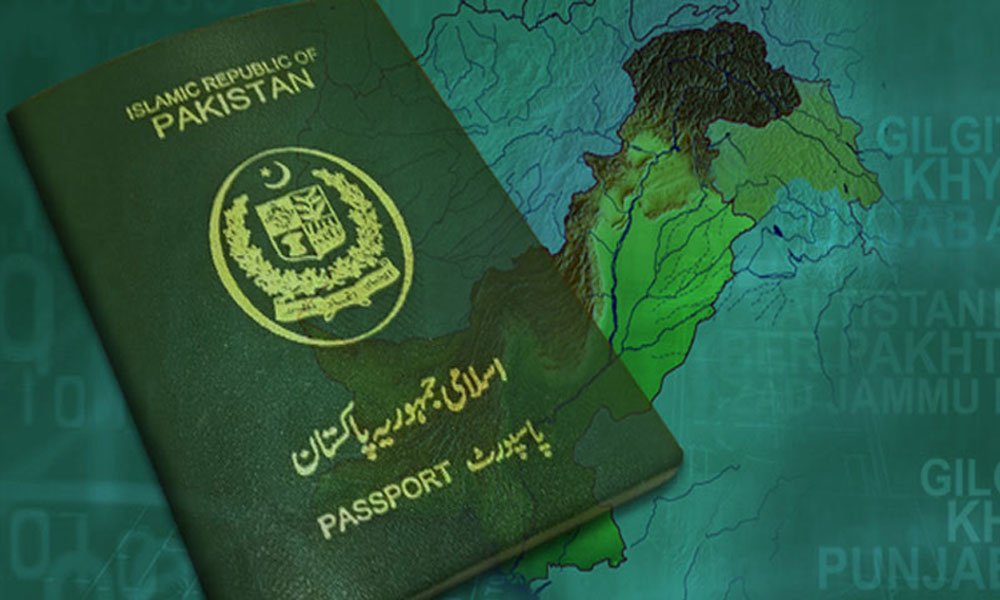

The recent surge in passport fees, amounting to an alarming 50 percent increase, has become a focal point of public discontent following the installation of the new government. This move has sparked widespread outcry as citizens grapple with the financial implications of obtaining essential travel documents.
Under the revised fee structure, the cost of acquiring a standard 36-page passport for a 5-year duration has skyrocketed to Rs 4,500, witnessing a stark rise from the previous fee of Rs 3,000. Furthermore, the urgency fee associated with expedited processing for the same category has surged from Rs 5,000 to a substantial Rs 7,500, further exacerbating the financial burden on individuals requiring swift passport issuance.
For those seeking a 10-year validity period, the normal fee for a 36-page passport has surged to Rs 6,700 from the previous Rs 4,500. Simultaneously, the urgency fee has ballooned to Rs 11,200, reflecting a considerable increase from the earlier Rs 7,500. This significant escalation in fees for prolonged validity periods compounds the financial strain on citizens planning for extended international travel or work assignments.
Moreover, individuals opting for a 72-page passport for a 5-year term now face heightened costs of Rs 8,200 for standard processing and Rs 13,500 for urgent processing. The fee structure for a 100-page passport valid for 10 years is equally staggering, with regular processing demanding Rs 12,400 and urgent processing commanding an exorbitant Rs 20,200.
The consequences of these substantial fee hikes extend beyond mere financial burdens, potentially impacting citizens’ ability to engage in international travel, business, and educational pursuits. As the public continues to voice its dissatisfaction, the government is likely to face intensified scrutiny and calls for a reconsideration of these steep passport fees.
