

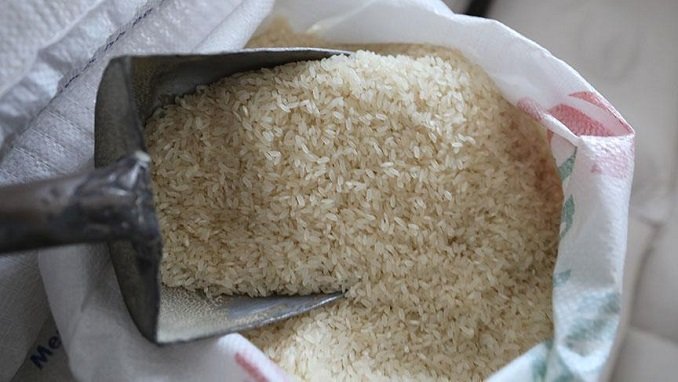

Rice Import
ISLAMABAD: Russia has issued a stern warning to Pakistan regarding potential rice import bans unless phytosanitary concerns are promptly addressed in future shipments.
The Federal Service for Veterinary and Phytosanitary Surveillance (FSVPS) of the Russian Federation raised alarms over violations of international and Russian phytosanitary requirements discovered in a recent rice consignment from Pakistan.
In a notification dated April 2, 2024, numbered FS-SA-3/6592, the FSVPS highlighted the presence of a quarantine organism, “Megaselia scalaris (Loew),” in the imported rice.
Urging immediate action, the FSVPS requested the plenipotentiary and trade representative at the Pakistani embassy in Russia to conduct an investigation into the matter.
The notice emphasized the necessity of preventing such violations in future shipments and underscored the vital importance of adhering to phytosanitary standards to ensure the safety of agricultural products traded between nations.
Subsequently, the trade wing of the Pakistani embassy in Moscow forwarded the English translation of the Russian authority’s letter to the Department of Plant Protection (DPP) within the Ministry of Food Security, along with other relevant government offices.
The embassy’s correspondence to the DPP urged swift investigation into the matter and the sharing of investigation results with the FSVPS to mitigate the risk of potential bans on rice exports in the future.
Additionally, the FSVPS communicated directly with the director of DPP, seeking enhanced cooperation in the realm of plant quarantine.
This development echoes previous instances where Russia imposed import bans on rice from Pakistan, notably in 2019 for similar phytosanitary concerns, which persisted for approximately two years.
Prior to that, in December 2006, Russia halted rice imports from Pakistan due to failure to meet food safety standards.
These incidents underscore the critical need for strict adherence to phytosanitary regulations and effective cooperation between nations to uphold the safety and quality of agricultural trade.
