

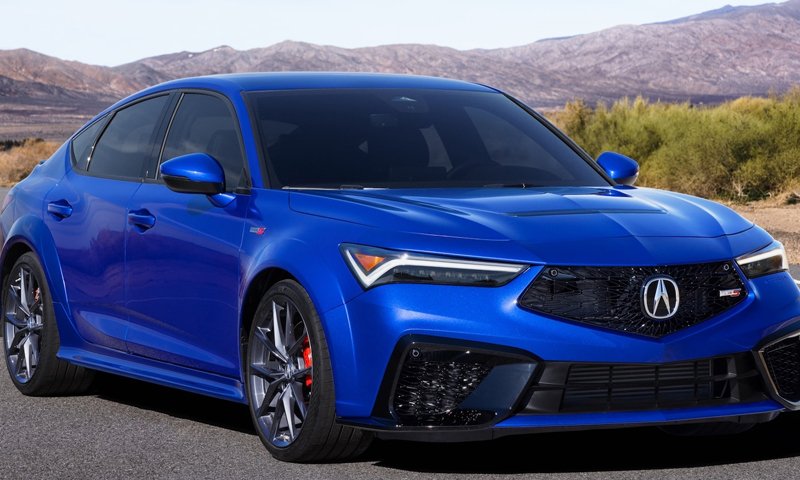

Since its debut in 2007, the Acura RDX has been a cornerstone of Honda’s luxury division, consistently ranking among the brand’s top-performing vehicles. In 2025 alone, the compact luxury SUV emerged as Acura’s second-best seller in the United States, trailing only the larger MDX. With 31,627 units sold, the RDX accounted for more than a quarter of Acura’s total annual sales—an impressive feat in an increasingly competitive SUV market.
Despite its strong performance, Acura confirmed on January 14 that production of the current RDX will be suspended later this year. The pause comes as the automaker prepares for the launch of a next-generation model, expected to arrive within the next couple of years. While Acura insists the move is necessary, the decision has unsettled dealers nationwide who rely heavily on the RDX to drive showroom traffic and revenue.
The upcoming fourth-generation RDX is shaping up to be a major turning point for the brand. Acura has already confirmed that the next model will feature a two-motor hybrid-electric powertrain, marking a significant technological leap. The SUV is expected to play a critical role in Acura’s broader strategy, which includes a balanced lineup of gasoline-powered vehicles, hybrids, and fully electric models.
To tease what’s coming, Acura released a shadowy silhouette image hinting at the future RDX’s design. The teaser suggests a sleek, modern crossover with a more aggressive stance—enough to spark excitement among fans and prospective buyers. However, while the future looks promising, many Acura dealers are more concerned about the immediate impact of losing one of their most reliable sellers.
Dealers caught off guard
According to a report from Automotive News, Acura retailers were surprised by the announcement. Dealers were informed that production at Honda’s East Liberty Auto Plant in Ohio would be halted due to “multiple parts shortages.” The revelation was especially puzzling since the Honda CR-V—similar in size and built at the same facility—has not been affected by the same supply issues.
Acura Assistant Vice President of U.S. Sales Mike Langel told Automotive News that RDX production is expected to end in the spring. Remaining inventory, he said, should carry dealerships through the summer and possibly into early fall, depending on demand. Langel emphasized that the company explored all available options before deciding to pull the plug.
“We made every effort to extend [the RDX] as long as possible,” Langel explained. “Some components are simply no longer available, and we’ve explored every avenue.”
Still, many dealers argue that a prolonged gap between generations—potentially lasting more than a year—creates a serious problem. The compact luxury SUV segment is one of the most competitive in the industry, dominated by rivals from Lexus, BMW, Mercedes-Benz, and Audi. Without the RDX, Acura risks losing loyal customers who may not return once they move to another brand.
Several retailers told Automotive News that the RDX plays a critical role in attracting first-time Acura buyers. Removing it from the lineup leaves a noticeable void, particularly for customers who want a premium SUV that’s smaller and more affordable than the MDX.
A risky pause in a hot segment
While Acura’s long-term vision may pay off with a technologically advanced hybrid RDX, the short-term consequences are harder to ignore. Dealers worry that the production halt could weaken Acura’s market presence at a time when competitors are doubling down on hybrids and electrification—without pulling their best sellers from the market.
For now, Acura is asking dealers and customers alike to be patient. Whether that patience pays off will largely depend on how quickly the next-generation RDX arrives—and whether it delivers enough innovation to reclaim any ground lost during the hiatus.
