

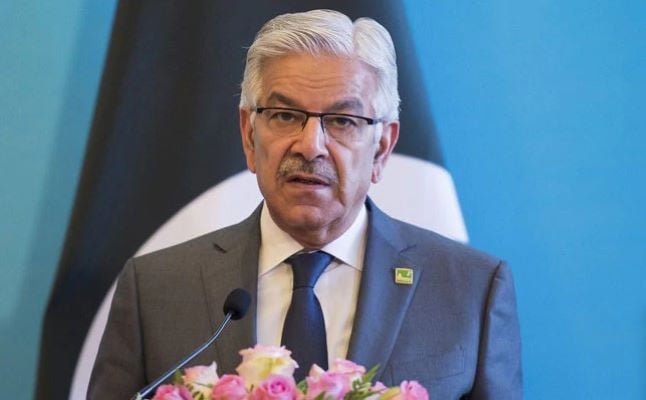

Pakistan and Afghanistan have reached a significant milestone in their bilateral relations after the Afghan Taliban regime agreed to end patronage of the banned Tehreek-e-Taliban Pakistan (TTP) as part of a new peace framework finalized in Doha.
Defence Minister Khawaja Asif confirmed that the agreement, mediated by Qatar and Turkiye, includes three core commitments: ending TTP support, maintaining a border ceasefire, and facilitating the dignified return of Afghan refugees.
He emphasized that the accord represents a serious attempt to restore regional peace and stability, and that full details will be officially revealed after the second phase of negotiations in Turkiye later this month.
Three Key Clauses of the Pakistan-Afghanistan Agreement
According to Khawaja Asif, the Afghan Taliban government has formally accepted three crucial points in the Doha peace understanding:
-
Ending the TTP’s activities and support within Afghanistan.
-
Maintaining a long-term ceasefire along the Pakistan-Afghanistan border.
-
Ensuring the structured and dignified repatriation of Afghan refugees.
The minister stated that both sides expressed mutual trust and goodwill during talks, underscoring their desire to avoid renewed conflict and create a sustainable peace mechanism.
Ceasefire Linked to Elimination of TTP Presence
Asif cautioned that the success of the ceasefire depends on Kabul’s ability to neutralize the TTP. He warned that any infiltration or attack from Afghan soil could jeopardize the truce.
“Pakistan has conveyed to the Taliban that TTP elements are operating from their territory, and we have solid evidence,” Asif said. He confirmed that Islamabad is prepared to present this evidence in Istanbul if necessary.
The defence minister made it clear that Pakistan’s engagement was solely with the Afghan Taliban, not with the TTP, calling the group responsible for heinous attacks against Pakistanis. “We will never negotiate with terrorists,” he asserted.
Humanitarian and Refugee Dimensions Included
A major element of the Doha accord involves the repatriation of Afghan refugees. Asif explained that Pakistan will ensure the process remains dignified, coordinated, and humane, with support from Afghan authorities and international partners.
He added, “Pakistan hosted Afghan refugees with respect, and now we are helping them return with honour.” The agreement aims to manage this process systematically to avoid instability in border areas.
Regional Mediation and Role of Qatar and Turkiye
The peace accord was facilitated through diplomatic mediation by Qatar and Turkiye, two nations that have maintained strong relations with both Islamabad and Kabul. Asif noted that both countries played a constructive role in encouraging dialogue and ensuring a balanced approach to regional peace.
The next round of negotiations, expected to take place in Turkiye between October 25 and 27, will finalize the implementation framework and monitoring mechanism for the accord.
Pakistan’s Stance on Terrorism and India’s Involvement
Reiterating Pakistan’s firm stance, Asif said the government will not compromise on national security. He accused India of supporting the TTP, calling it a “well-established fact.”
He clarified, however, that Pakistan has no objection to Afghanistan maintaining diplomatic ties with India, as long as such relations do not threaten Pakistan’s internal security or border peace.
Atmosphere of Dialogue and Future Framework
Describing the Doha talks as cordial and constructive, Asif noted that both sides agreed on transparency and mutual accountability. Any violation of the agreement, he added, will be reported to both governments immediately.
He also emphasized that the final shape of the peace roadmap will be determined in the second phase of talks in Turkiye, which will outline enforcement procedures and timelines for each commitment.
Pathway Toward Lasting Regional Peace
The agreement marks one of the most important diplomatic efforts between Pakistan and the Afghan Taliban regime since 2021. If successfully implemented, it could reshape regional security dynamics, reduce cross-border tensions, and curb militancy.
Khawaja Asif concluded, “The success of this agreement depends on sincerity and implementation. Peace in Pakistan and Afghanistan is interconnected and vital for the stability of South Asia.”
