


Attorney General for Pakistan (AGP) Mansoor Usman Awan informed the Peshawar High Court (PHC) on Wednesday that the Pakistan Tehreek-e-Insaf (PTI)-backed Sunni Ittehad Council (SIC) is not entitled to reserved seats because they failed to submit a list to the Election Commission of Pakistan (ECP) before the 2024 general elections.
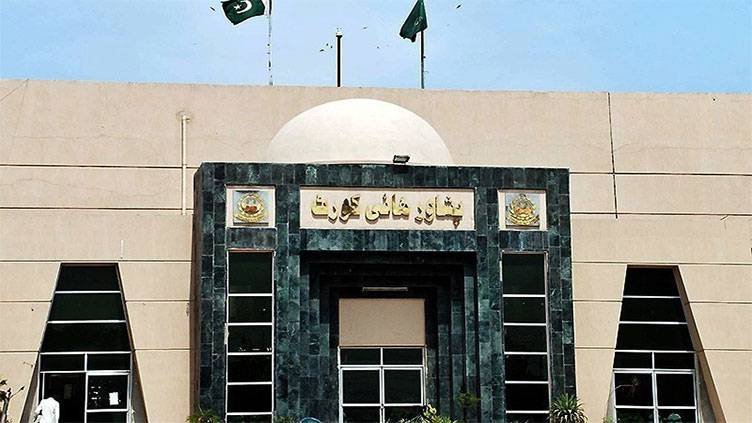
A five-member bench led by PHC Chief Justice Mohammad Ibrahim Khan and comprising Justices Ijaz Anwar, Ishtiaq Ibrahim, Shakeel Ahmad, and Arshad Ali heard the SIC’s plea against the ECP’s decision denying them reserved seats.
The ECP had decided on March 4 that seats in the National Assembly and provincial assemblies would not remain vacant and would be allocated through proportional representation based on seats won by political parties.
During the hearing, the PHC expressed displeasure over the absence of PTI counsels Barrister Ali Zafar and Babar Awan.
SIC counsel Advocate Qazi Anwar argued that PTI-backed independent candidates joined the SIC after winning the election, making the party eligible for reserved seats for women and minorities.
AGP Awan countered, stating that reserved seats couldn’t be awarded to the SIC as they didn’t submit a list to the ECP. He also highlighted that the SIC had no parliamentary seats and its chairman contested the election as an independent candidate.
Consequently, the PHC adjourned the hearing until the next day at the request of Advocate General Shah Faisal Utmankhel.
The ECP’s decision led to PTI-backed SIC losing 77 reserved seats, including 23 National Assembly seats, 25 Khyber Pakhtunkhwa Assembly seats, two Sindh Assembly seats, and 27 Punjab Assembly seats.
Despite a court order, four MNAs elected on reserved seats took oath in the National Assembly, prompting opposition protests.
During the hearing, AGP Awan emphasized that SIC didn’t participate in the elections and failed to submit a list for reserved seats, crucial for parliamentary parties.
Justice Shah questioned whether SIC won any seats, to which Anwar replied negatively.
AGP Awan clarified the process of acquiring reserved seats, emphasizing that SIC didn’t qualify as a parliamentary party due to its lack of seats.
The ECP’s lawyer supported AGP’s arguments, stating SIC needed to win at least one seat to qualify for reserved seats.
The court remarked that SIC didn’t submit the list on time and suggested referring the issue to Parliament for resolution.
AGP Awan stressed that reserved seats couldn’t remain vacant, and other lawyers echoed the argument that SIC wasn’t eligible for reserved seats.
Subsequently, the SIC’s lawyer requested time to prepare further arguments.
