

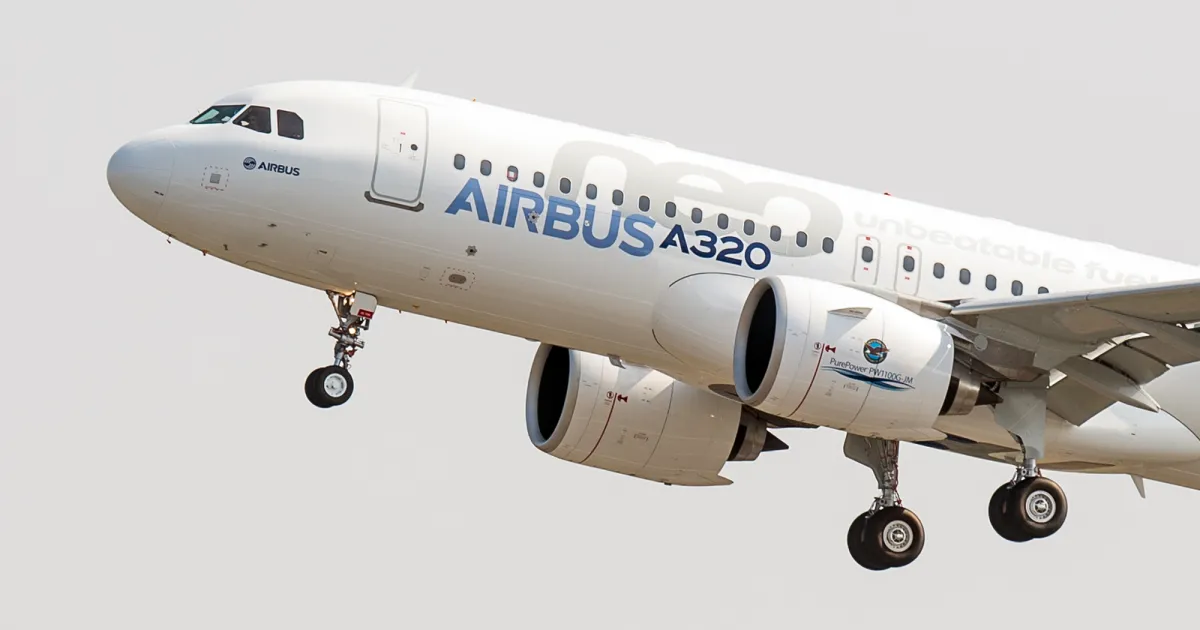

Airbus has moved swiftly to contain a major software crisis involving 6,000 A320-family aircraft. The company accelerated emergency updates after regulators mandated a rapid software overhaul. The recall followed a recent JetBlue mid-air incident linked to a potential vulnerability triggered by solar flares. Airlines across Asia, Europe, and the United States reported that most required updates were completed faster than expected, allowing operations to begin returning to normal.
Airlines Complete Fast Retrofits as Recall Disruption Eases
Airbus issued an abrupt worldwide alert on Friday, effectively grounding thousands of jets until the software fix was installed. The directive was considered the largest and most urgent recall in Airbus history. It also raised concerns about holiday travel disruptions, especially during the busy Thanksgiving period in the United States.
Despite early fears, engineers quickly identified affected aircraft. Airlines first struggled because the blanket directive did not include detailed serial numbers. Yet within 24 hours, teams refined the list and sharply reduced estimates of how many jets required corrective action. Airbus originally estimated about three hours of work per aircraft, but several carriers reported significantly shorter repair times.
Some airlines still faced challenges. Colombia’s Avianca extended its booking freeze through December 8. At least one major operator experienced delays due to a shortage of data loaders—specialized devices required to install the older software. A subset of older A320 aircraft will need full computer replacements rather than simple software restoration, though the number of these jets is now lower than early projections.
Airbus Response Signals Shift After Boeing MAX Crisis
Industry leaders say the rapid and transparent Airbus response reflects lessons learned since the Boeing 737 MAX crisis. Executives noted that Airbus moved quickly, communicated openly, and avoided the hesitation that damaged Boeing’s reputation. Airbus CEO Guillaume Faury even issued a public apology, signaling a more open tone in aviation safety culture.
The weekend turmoil also exposed awareness gaps in Airbus’s tracking of in-service software versions. Reporting delays meant the company did not have real-time insight into which aircraft carried the vulnerable system. Even so, airlines praised the fast support that helped prevent widespread flight cancellations.
Ultimately, the decisive action by Airbus and global regulators helped stabilize operations and restore confidence among passengers and carriers.
