

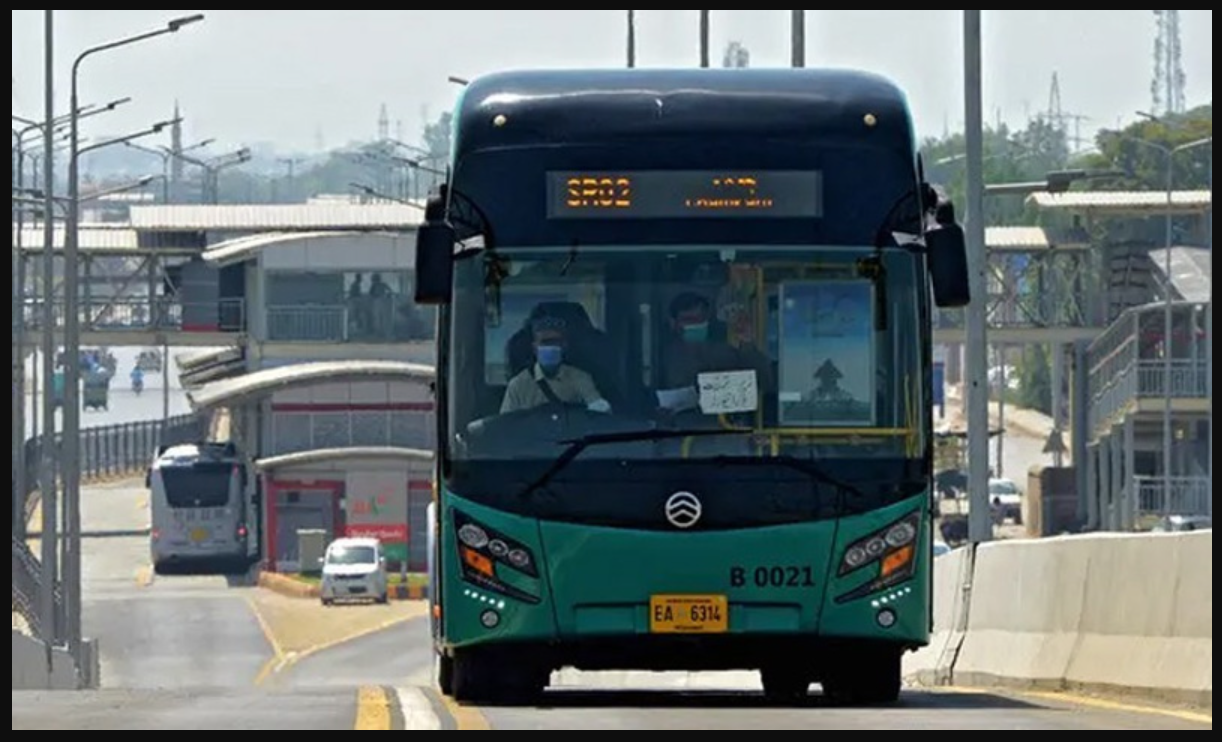

A recent audit by the Auditor General of Pakistan has revealed extensive financial irregularities in the Bus Rapid Transit (BRT) Peshawar project, amounting to more than Rs28 billion over a three-year period from 2019 to 2022. The findings raise serious concerns about mismanagement, contract violations, and systemic weaknesses in the execution and operation of one of Khyber Pakhtunkhwa’s most high-profile infrastructure projects.
The audit report paints a detailed picture of widespread administrative and financial lapses. A significant portion of the losses came from incomplete commercial plazas associated with the project, which failed to generate the expected revenue streams. Improperly managed contracts and delays in construction also contributed to the financial setbacks.
One of the highlighted losses was incurred by Trans Peshawar Company, which suffered a financial hit of Rs118.6 million due to the free distribution of Zu cards, the electronic fare cards used for BRT travel. In addition, the provincial treasury faced a loss of Rs485.8 million because taxes owed by vendors operating within the BRT framework were not collected.
The audit also identified irregularities worth Rs3.78 billion linked to flaws in the contract award process. An even larger discrepancy of Rs11.32 billion was traced to the awarding of Intelligent Payment System (IPS) contracts without securing the required approval from the Executive Committee of the National Economic Council (ECNEC).
Operational mismanagement was not limited to financial figures. The report documents the theft of 1,197 meters of electrical wiring from various BRT stations, resulting in losses of Rs3.4 million. Security and oversight failures in such areas point to vulnerabilities that extend beyond fiscal matters.
Revenue leakage was also evident in advertising operations. The audit found that income generated from bus advertising was diverted, benefiting private vendors instead of being allocated to Trans Peshawar. This misappropriation undermined the project’s intended revenue structure.
The provincial government’s subsidies to Trans Peshawar were another area of concern. Irregularities amounting to Rs4.44 billion were linked to these subsidies, suggesting a lack of proper monitoring and accountability in fund allocation.
The report also raised questions about the leadership of Trans Peshawar. The first CEO, Fayyaz Ahmed, was appointed without meeting the required qualifications for the role. This appointment, according to the audit, reflected weaknesses in governance and hiring practices.
Overall, the audit underscores systemic failures in financial management, oversight, and operational integrity within the BRT Peshawar project. The scale of the discrepancies, spread across infrastructure, operations, and governance, points to deep-rooted challenges that require urgent corrective measures. Without addressing these issues, the project risks further losses and a decline in public trust in major infrastructure initiatives.
