

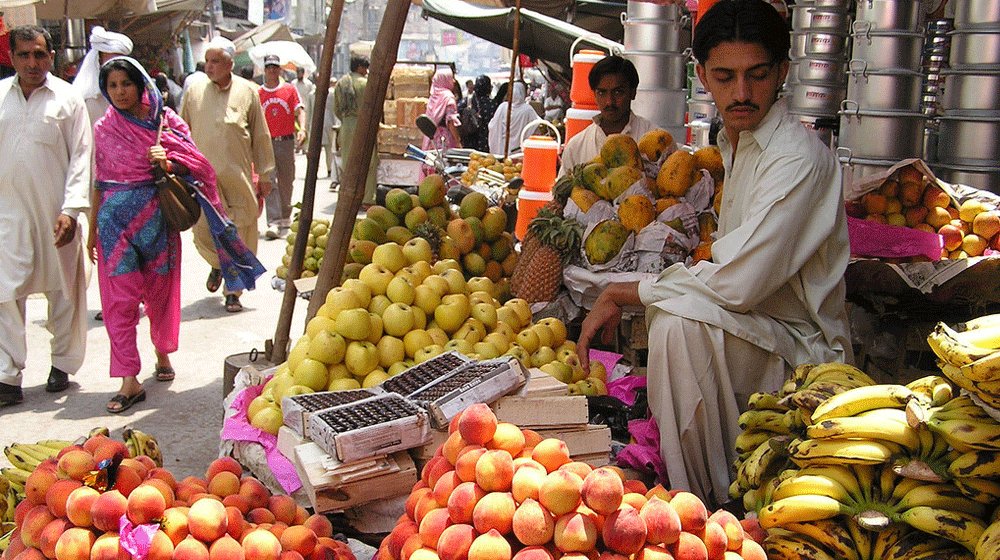

Balochistan is widely recognized as Pakistan’s fruit-basket, producing high-quality fruits and dry fruits due to its diverse climates and agro-ecological zones. Quetta is famously called the “Fruit Garden of Pakistan”, reflecting the region’s rich horticultural output.
Key Fruits of Balochistan
-
Grapes: Dominant producer in Pakistan (~90%), with varieties such as Kishmishi, Sundarkhani, Haita, Hussani, and Askari.
-
Cherries: Major source (~90%), with numerous cultivars developed by agricultural research.
-
Almonds & Pistachios: Significant dry fruit production with improved cultivars.
-
Dates: Staple fruit with varieties like Begum Jangi, Kaharaba, Mozawati, Berni, Helini, and Sabzo.
-
Apples: Particularly from Ziarat, offering seasonal and high-quality varieties.
-
Apricots & Peaches: Contribute ~60% of Pakistan’s production, with diverse cultivars.
-
Pomegranates: Another major crop (~60% share).
-
Mangoes & Olives: Grown in tropical and delta regions of the province.
Why Balochistan Is a Fruit Hub
Balochistan’s varied climate—from temperate highlands to tropical lowlands—supports diverse crops, enabling the province to contribute significantly to Pakistan’s fruit supply chain. The combination of fertile soil, research-backed cultivars, and favorable weather conditions ensures year-round production of fresh and dry fruits, establishing Balochistan as a national fruit hub.
Conclusion
With its wide variety of fruits, from grapes and cherries to almonds and pomegranates, Balochistan continues to be essential for Pakistan’s fruit industry, supporting both domestic consumption and export potential. Quetta’s title as the “Fruit Garden of Pakistan” reflects the province’s enduring agricultural importance.
