

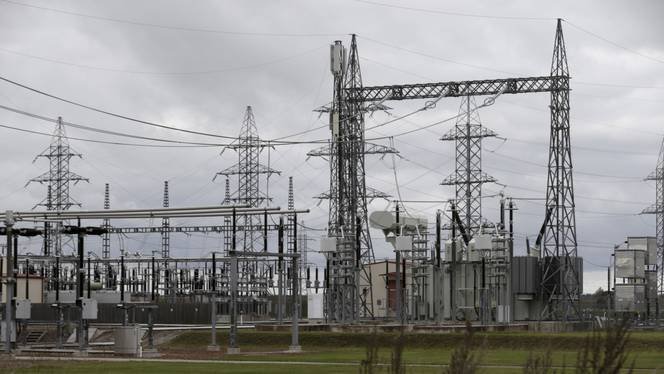

Estonia, Latvia, and Lithuania have officially disconnected from Russia’s power grid, marking a significant step toward integration with Europe’s energy system. This move, which had been in the works for years, gained urgency following Russia’s invasion of Ukraine.
The three Baltic states, all former Soviet republics now part of the European Union and NATO, have cut ties with Russia to prevent Moscow from using its power grid as a “tool of geopolitical blackmail.”
Lithuania’s Energy Minister, Zygimantas Vaiciunas, stated on Saturday, “We are now removing Russia’s ability to use the electricity system as a tool of geopolitical blackmail.”
EU foreign policy chief and former Estonian Prime Minister, Kaja Kallas, called the shift “a victory for freedom and European unity” in a post on X (formerly Twitter).
Lithuania was the first of the three to disconnect from the Russian-controlled grid. Lithuania’s state-run grid operator, Litgrid, confirmed that the country’s electricity exchange lines with Kaliningrad and Belarus were severed at 0743 local time (0543 GMT) on Saturday.
Estonia and Latvia followed suit, with disconnections set to take place by 0700 GMT.
The full disconnection of the Baltic states from Russia’s power grid is scheduled for tomorrow. This marks a significant milestone in the region’s efforts to enhance energy independence and security.
Lithuanian Prime Minister Gintautas Paluckas expressed confidence in the move, stating on X that the weekend marked “the beginning of a new era of our energy independence.”
The Baltic nations had long been preparing to join the European grid but faced various technological and financial challenges. However, Russia’s aggression in Ukraine in 2022 intensified the urgency of severing ties, as the Baltic states feared they might become future targets.
While the countries had already halted purchases of Russian gas and electricity, their power grids remained interconnected with Russia and Belarus, which were controlled from Moscow. This left them vulnerable to potential energy disruptions, particularly affecting industries and facilities that rely on a stable power supply.
Celebrations are planned across the Baltics to mark the disconnection, although there are concerns about potential disruptions, including cyberattacks. Latvia will physically cut a power line to Russia on Saturday, with European Commission President Ursula von der Leyen set to attend a ceremony with Baltic leaders in Vilnius on Sunday.
