

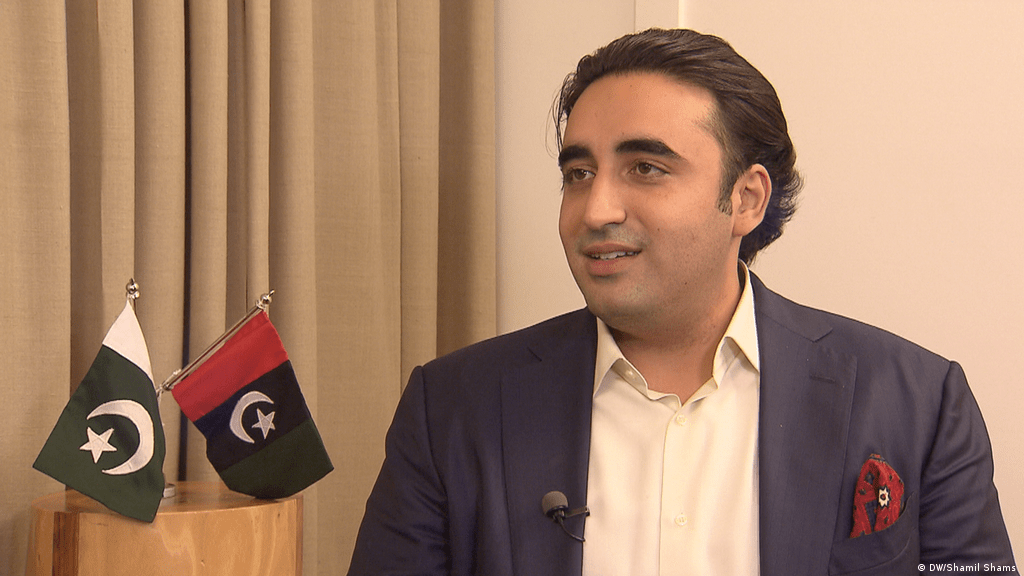

Pakistan People’s Party (PPP) Chairman and former Foreign Minister Bilawal Bhutto Zardari has opposed calls to suspend the Simla Agreement with India, warning instead that continued Indian intransigence could lead to a broader review of all bilateral accords.
Speaking on Spotlight with Aaj News host Muneeza Jahangir, Bilawal emphasized that dialogue remains the only viable solution to resolve tensions and address terrorism. He underlined that non-state actors are a shared challenge for both nations and proposed a joint mechanism to combat them effectively.
“If India refuses a neutral investigation into the Pahalgam attack, it will only expose itself before the world,” he said, while reiterating Pakistan’s condemnation of the incident and its long-standing struggle against terrorism. “We are committed to eradicating terrorism, not just within Pakistan, but across the region.”
Bilawal strongly criticized India’s recent unilateral decisions, particularly those related to the Indus Waters Treaty, calling them illegal and dangerously provocative. He noted this was the first time India had openly challenged the treaty, even though prior conflicts never saw such escalations.
He warned that Pakistan reserves the right to reassess its bilateral commitments, including the Simla Agreement, if India continues its aggressive and unilateral actions. “India is linking the Kashmir dispute to water issues to distract from its weak legal position,” he stated.
Bilawal also blamed India for consistently avoiding meaningful dialogue, especially on core issues like Kashmir and terrorism. He accused Indian leaders of scapegoating Muslims and Pakistan to deflect attention from growing internal crises.
He expressed full support for the Pakistani government’s stance through the National Security Committee and urged media and social media platforms to avoid fanning war hysteria.
Responding to recent remarks by former U.S. President Donald Trump calling for dialogue between India and Pakistan, Bilawal said they reinforced Pakistan’s long-held position that negotiation—not confrontation—is the only sustainable path to peace. He noted that while the U.S. is unlikely to intervene directly under current conditions, Trump’s comments echo Islamabad’s consistent call for talks.
