

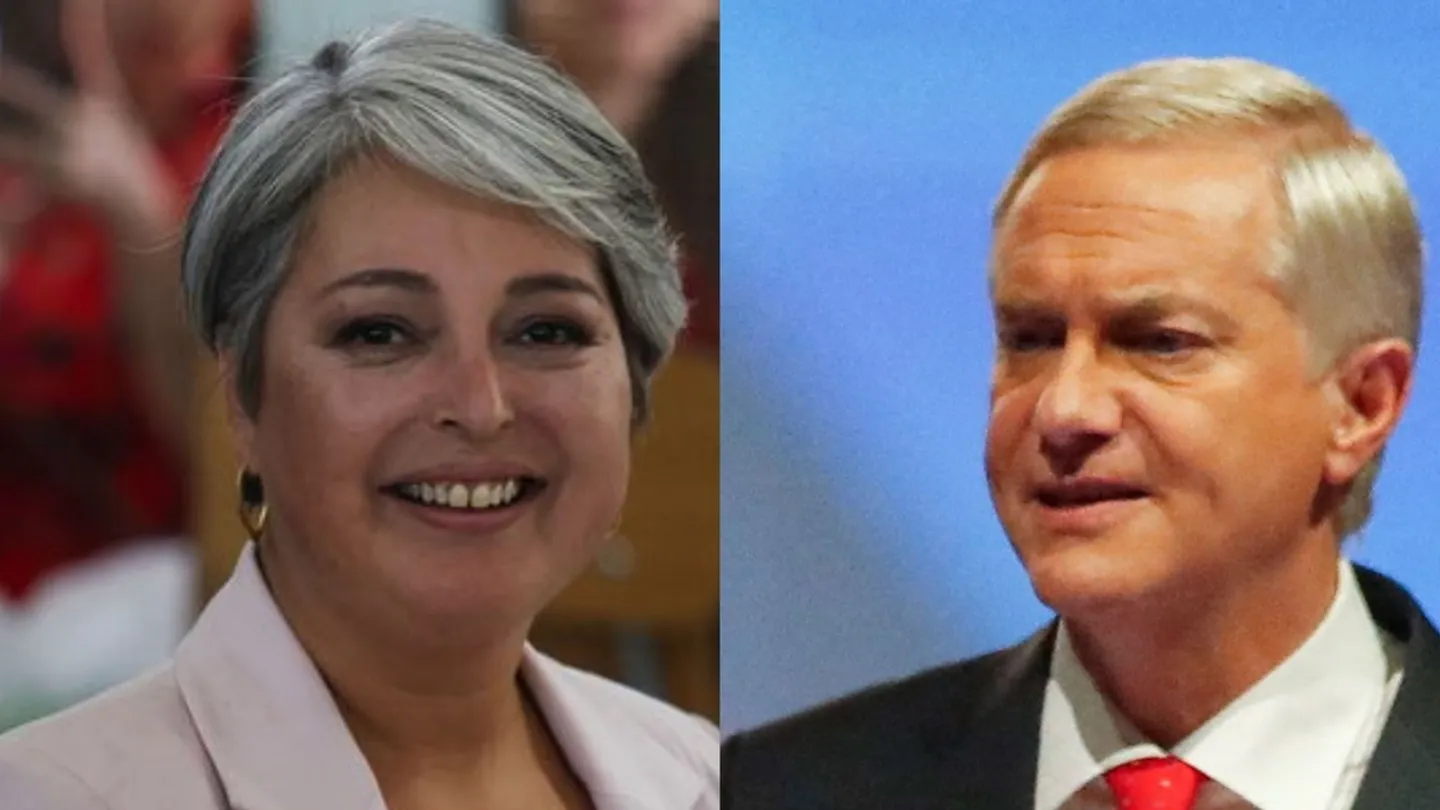

Chile is bracing for a decisive political showdown in December as the country’s presidential election heads into a run-off, pitting leftist candidate Jeannette Jara against far-right contender José Antonio Kast. With just over half of the votes counted, the two sharply contrasting politicians have emerged as the clear front-runners, setting the stage for a dramatic second round that could reshape Chile’s political future.
A Tight First Round: Jara Leads, Kast Close Behind
According to partial results released by Chile’s Servel electoral service, 51-year-old Jeannette Jara—former labor minister and candidate of an eight-party leftist coalition—took the lead with 26.58% of the vote after 52.39% of ballots were counted. José Antonio Kast, a dominant figure in the far-right political sphere, followed closely with 24.32%, securing his position in the upcoming run-off.
The first round also marked an early exit for ultra-right MP Johannes Kaiser, who conceded defeat as the results became clear. In a significant move that could influence the balance of the second round, Kaiser publicly announced his endorsement of Kast, urging his supporters to unify behind the far-right candidate.
President Gabriel Boric confirmed shortly after the early results that the December run-off will indeed feature Kast and Jara—two figures who represent fundamentally different visions for Chile’s future.
Clashing Visions: Jara Calls for Unity, Kast Promises Reconstruction
Both candidates took to the stage following the announcement of the preliminary results, delivering statements that highlighted their divergent political messages.
Jara appealed to the nation’s voters with a message of hope and resilience, urging Chileans not to succumb to fear or far-right rhetoric. “Don’t let fear harden your hearts,” she said as she celebrated her first-place finish.
Kast, meanwhile, emphasized themes of security and reconstruction, promising his supporters that he would “rebuild” the country should he win the presidency. Despite trailing Jara in the first round, pre-election polls suggested he may have an edge in the run-off, making the December contest one of the most closely watched elections in recent Chilean history.
As the nation moves toward the final vote, Chileans face a stark choice between two candidates offering profoundly different paths—one rooted in leftist social reform, the other in hardline conservative policies. The December run-off is set to be a defining moment for the country’s political landscape.
