

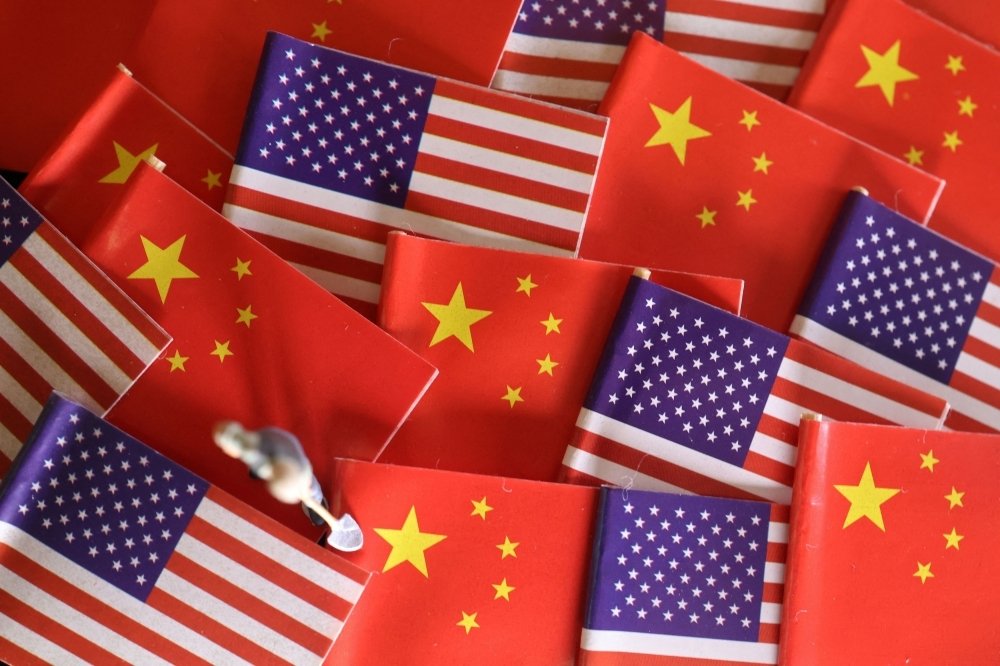

China has accused the United States of conducting extensive cyberattacks on its National Time Service Center, alleging that the breaches endangered national infrastructure, communication networks, and the international standard time system.
In a statement released on its official WeChat account on Sunday, China’s Ministry of State Security (MSS) claimed that the US National Security Agency (NSA) had been carrying out cyber operations against the National Time Service Center “over an extended period.”
The ministry warned that these actions could have “seriously disrupted” financial systems, power grids, and communications dependent on synchronized time data.
According to the MSS, investigators traced evidence of stolen credentials and compromised data back to 2022, revealing that the NSA had used these to monitor the devices and communications of the centre’s staff.
The ministry said the US intelligence agency had “exploited a vulnerability” in the messaging service of a foreign smartphone brand to gain unauthorized access. However, it did not name the company involved.
The National Time Service Center, operating under the Chinese Academy of Sciences, is responsible for generating, maintaining, and broadcasting China’s official standard time—an essential function for national defense, financial markets, and transportation systems.
The ministry also alleged that the US had launched additional cyberattacks in 2023 and 2024, targeting the centre’s internal network and its high-precision ground-based timing system. These attempts, it said, were part of a wider espionage campaign to undermine China’s technological and scientific infrastructure.
The US embassy in Beijing did not immediately respond to requests for comment on the allegations.
The incident marks another escalation in the cyber confrontation between Beijing and Washington, as both powers have accused each other of state-sponsored hacking in recent years. The latest claim also surfaces amid intensifying trade tensions over China’s rare earth export curbs and the US threat to raise tariffs on Chinese goods.
