

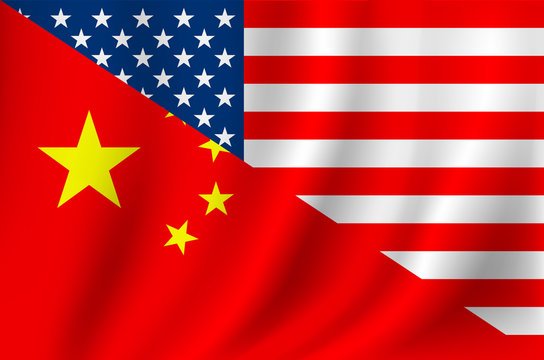

China firmly rejected the United States’ accusations of conducting covert nuclear tests. The Chinese Ministry of Foreign Affairs labeled the claims as “false and groundless.” Officials further accused Washington of using the allegations to legitimize its own nuclear testing agenda..
At the UN Conference on Disarmament in Geneva , Thomas DiNanno, the US under secretary of state for arms control, alleged that China carried out nuclear tests, including one on June 22, 2020. He further claimed that China was preparing for tests with massive yields.
In response, China’s foreign ministry stated, “The US allegations are completely groundless. China firmly opposes the US attempt to fabricate excuses for its own restarting of nuclear tests.” The statement also urged the US to “immediately stop its irresponsible actions.”
US Nuclear Plans and Statements
The accusations come amid rising tensions over global nuclear disarmament. In October, US President Donald Trump announced plans to resume nuclear testing “on an equal basis” with Moscow and Beijing. However, he did not clarify the type or scale of nuclear tests intended.
Following this, DiNanno presented a new US proposal advocating three-way talks with Russia and China. The aim is to set new limits on nuclear arsenals after the expiration of the New START treaty. The treaty, which had set binding limits on the nuclear weapons of Washington and Moscow, expired last Thursday.
Despite these US initiatives, China has declined to join disarmament negotiations “at this stage.” Chinese officials maintain that they are committed to nuclear restraint but reject what they call “unfounded accusations” from Washington. Analysts note that this stance is consistent with China’s longstanding policy of limited nuclear testing and cautious arms control participation.
Global Disarmament Context and Tensions
Experts say the US allegations could further strain relations among top nuclear powers. With New START expired, no formal agreement currently regulates the number or development of nuclear weapons between the US and Russia. The US proposal for trilateral talks aims to fill this gap, but China’s refusal may complicate the process.
Analysts note that statements from both countries also serve domestic political goals. The US emphasizes applying pressure on its rivals, while China presents its stance as upholding international law and fairness. This exchange highlights the growing challenges of arms control amid shifting global priorities.
As nuclear powers adjust to the post-New START landscape, diplomatic tensions could intensify. Experts stress the need for dialogue but caution that mutual distrust may spark a new arms race.
