

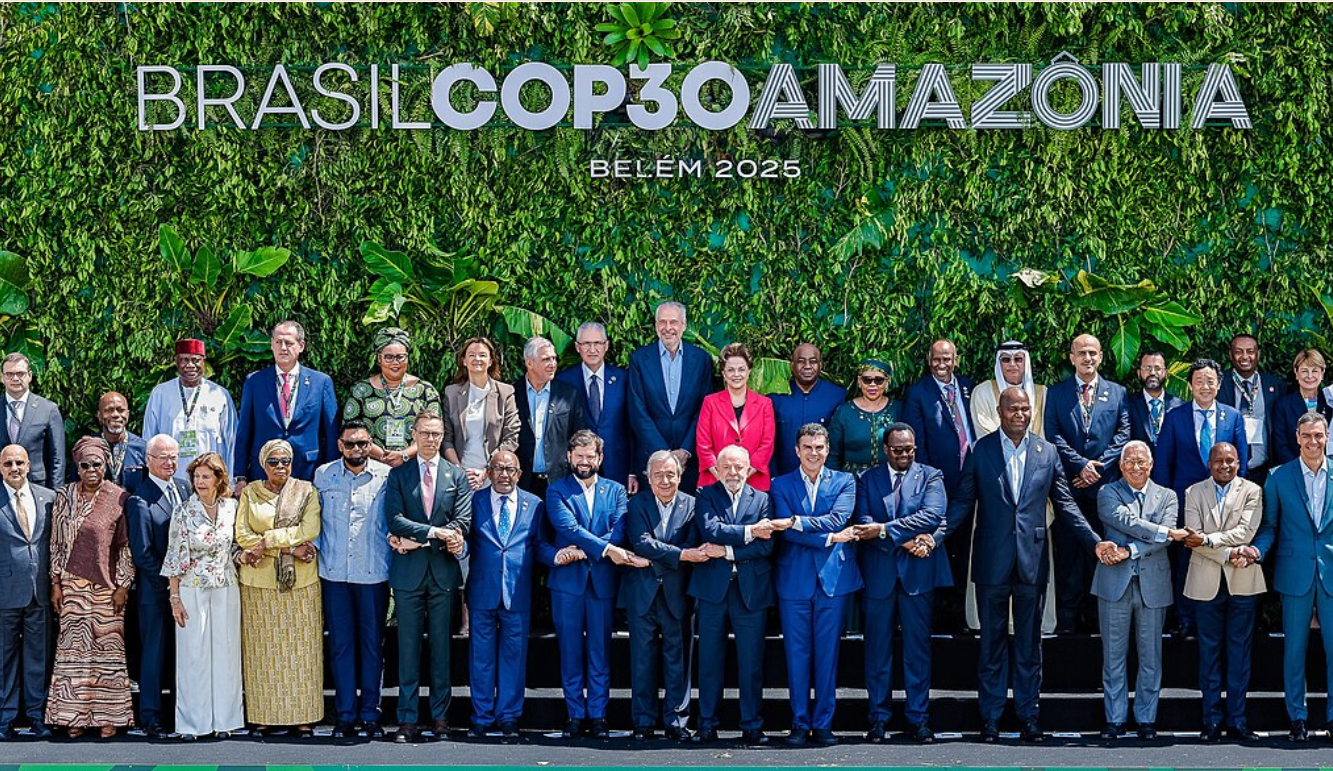

The 30th United Nations Climate Conference (COP30) commenced in Brazil on Monday, bringing together global leaders and climate experts to address the escalating climate crisis. The 12-day summit near the Amazon rainforest gathers over 50,000 participants from more than 190 countries.
UN Climate Chief Stresses Unity
Simon Stiell, UN climate chief, urged delegates to focus on collective action rather than disagreements. He emphasized that while past agreements have made progress, much more work is needed to curb global warming. Current national climate plans, according to recent UN analysis, fall short of the reductions required by 2035 to limit warming to 1.5°C above pre-industrial levels. Experts warn that exceeding this threshold will lead to catastrophic consequences worldwide.
Brazilian Leadership Advocates Urgent Action
Brazilian President Luiz Inacio Lula da Silva highlighted that climate change is no longer a future threat but a present-day tragedy. He criticized efforts to undermine climate action, insisting that the world must “defeat the deniers” and strengthen global initiatives. Hosting COP30 at the edge of the Amazon, Brazil underscores its pivotal role in preserving the world’s largest rainforest and advancing sustainable climate policies.
Developing Nations Take Center Stage
The United States chose not to send delegates to COP30, reflecting prior anti-climate policies. COP30 President Andre Correa do Lago suggested that the absence allows developing nations to showcase leadership in climate solutions. Indigenous voices were also prominent, with Pablo Inuma Flores from Peru urging leaders to move beyond pledges and actively protect vulnerable communities affected by climate change.
Scientific Warnings Highlight Urgency
Scientists attending COP30 have issued stark warnings about the destabilization of the cryosphere. Accelerating ice melt and other climate indicators demand immediate global attention. They stressed that geopolitical conflicts or short-term national interests must not overshadow the conference’s objective. Climate change, they noted, represents the defining security and stability challenge of the 21st century.
COP30’s Key Goals and Challenges
The summit aims to secure actionable commitments from nations to reduce greenhouse gas emissions, protect vulnerable communities, and strengthen climate adaptation efforts. Beyond policy discussions, COP30 emphasizes technological innovation, financial support for developing countries, and strategies to safeguard critical ecosystems, including the Amazon rainforest.
COP30 in Brazil serves as a critical platform for global unity against climate change. Delegates face the urgent task of translating pledges into tangible actions to prevent catastrophic environmental consequences. With developing nations and Indigenous communities in the spotlight, the summit underscores the global responsibility to act decisively against the climate crisis.
