

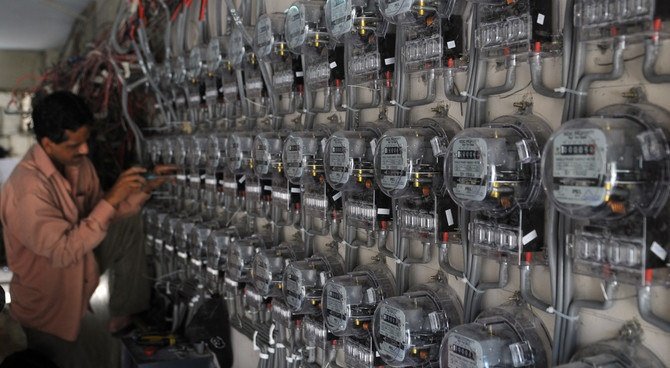

ISLAMABAD: Next month, electricity consumers may face higher bills as authorities prepare to raise the per unit cost of electricity.
The Central Power Purchasing Authority has submitted a petition to the National Electric Power Regulatory Authority (NEPRA) requesting a Rs5 per unit increase in electricity prices.
NEPRA is set to make a final decision on March 28. If approved, consumers could bear an additional burden of Rs40 billion.
This price hike is proposed to cover fuel adjustment charges for February. In that month, over 6.8 billion units of electricity were sold. Hydel energy contributed 24.77%, while nuclear energy accounted for 23.29%.
Additionally, 20.23% of power was generated from imported LNG, and 11.04% came from local gas sources.
Earlier, the Southern Zone of the All Pakistan Textile Mills Association (APTMA) has vehemently opposed the 3.23x surge in gas tariffs witnessed over the past year, expressing strong disapproval during an Extraordinary General Body Meeting held on Thursday.
In a press release issued today, APTMA labeled the tariff hike as detrimental to Pakistan’s export-oriented textile industry, which holds a significant 60% share in the country’s total exports. The meeting underscored the disastrous impact of the recent gas tariff increase, making the export-oriented textile industry uncompetitive in the international market and forcing some mills to shut down due to unsustainable financial losses.
The industry attributes its challenges to a combination of factors, including an unprecedented 22% interest rate, soaring energy prices, and the surge in gas tariffs. APTMA highlighted that the gas tariff stood at Rs852 per MMBTU until December 31, 2022, escalating to Rs1,100 per MMBTU from January 01, 2023, and further rising to Rs2,400 per MMBTU in November 2023, reaching Rs2,750 per MMBTU as of February 01, 2024.
This cumulative increase of Rs1,892 per MMBTU within a year, a staggering 3.23x rise, has severely impacted the industry’s competitiveness on the global stage. Additionally, concerns were raised about the inadequate capacity of electricity supplying companies in Sindh and Baluchistan, leading industries to rely on gas-based power plants, further exacerbating the situation.
APTMA Chairman Zahid Mazhar emphasized that the 3.23x increase in gas tariffs within a year has resulted in a 30% capacity closure in the textiles and apparel sector, with the remaining firms at high risk of imminent closure. He highlighted that Pakistan’s export capacity of $600 million/month in the textile industry remains untapped due to high energy costs.
Mazhar pointed out the disparity in electricity rates, with the industry being charged Rs52/kWh, more than double the rates in competing countries. Moreover, gas/RLNG rates for the textile sector in Pakistan are significantly higher than those in regional competitors like India, Bangladesh, and Vietnam.
